
Sleep is a vital part of our daily routine that plays a crucial role in maintaining our physical and mental well-being. However, for many people, getting a good night’s sleep is a struggle due to snoring and sleep disorders. These issues not only disrupt the quality of sleep but can also lead to serious health problems in the long run. Fortunately, there are solutions available, and one such solution is the use of a mouthpiece. In this blog post, we will discuss how a mouthpiece can help with snoring and sleep disorders, and why it may be a game-changer for those struggling to get a good night’s rest.
Snoring is a common problem that affects both men and women of all ages. It is caused by the vibration of soft tissues in the throat, including the uvula, tonsils, and tongue, due to a narrowed airway. This narrowing can occur due to various reasons such as obesity, nasal congestion, alcohol consumption, or sleeping on one’s back. Snoring not only disrupts the sleep of the snorer but also their bed partner, causing strain in relationships. It can also be a symptom of a more serious condition known as sleep apnea, where the airway becomes completely blocked, leading to pauses in breathing during sleep. This can result in low oxygen levels in the body, which can have detrimental effects on one’s health, including heart disease, stroke, and high blood pressure.
Sleep apnea is a sleep disorder that affects an estimated 22 million Americans, with many more cases going undiagnosed. It is characterized by loud snoring, pauses in breathing, and gasping for air during sleep. People with sleep apnea often feel tired and fatigued during the day, have difficulty concentrating, and may experience headaches and irritability. It is a serious condition that requires medical attention, and if left untreated, it can have severe consequences.
One of the most common treatments for snoring and sleep apnea is the use of a Continuous Positive Airway Pressure (CPAP) machine. This device delivers a steady stream of air through a mask worn over the nose or mouth, keeping the airway open during sleep. While CPAP machines can be effective, they can also be uncomfortable and cumbersome, making it difficult for some people to adjust to using them. This is where a mouthpiece or oral appliance comes into play.
A mouthpiece, also known as a mandibular advancement device, is a custom-made device that is worn during sleep to keep the airway open. It works by moving the jaw forward, which helps to prevent the tongue and other soft tissues from blocking the airway. This allows for a steady flow of air, reducing or eliminating snoring and improving the quality of sleep.
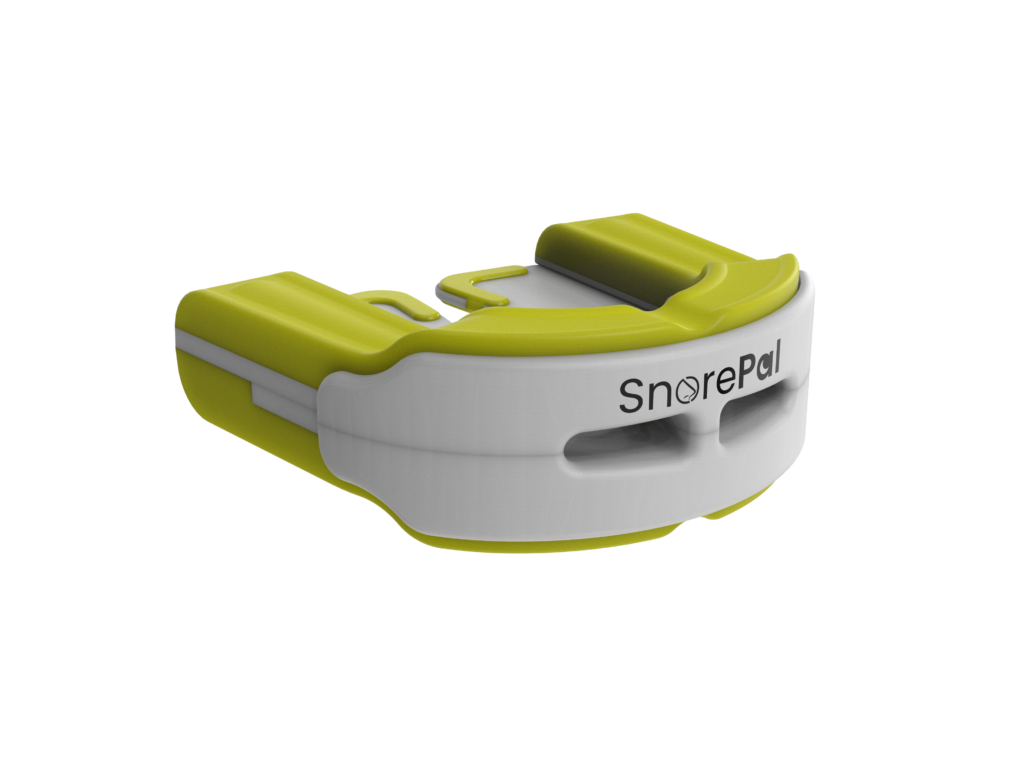
Sleep Soundly: How a Mouthpiece Can Help with Snoring and Sleep Disorders
One of the biggest advantages of using a mouthpiece is its ease of use. Unlike a CPAP machine, which requires electricity, a mouthpiece is compact, portable, and does not need any external power source. It can be easily carried while traveling, making it a convenient option for those who are always on the go. Additionally, a mouthpiece is relatively inexpensive compared to other treatments for snoring and sleep apnea, making it a more affordable option for many individuals.
Another benefit of using a mouthpiece is that it is non-invasive. This means that there is no need for surgery or any other medical procedures, making it a safer option for those who may not be suitable candidates for surgery. It also does not have any side effects, unlike other treatments that may cause discomfort or interfere with daily activities.
A mouthpiece can also improve the overall quality of sleep. Snoring and sleep apnea can cause frequent disruptions in sleep, leading to a poor quality of sleep and daytime drowsiness. By keeping the airway open, a mouthpiece can help individuals achieve a deeper and more restful sleep, leading to better physical and mental health.
It is essential to note that a mouthpiece is not a one-size-fits-all solution. Each individual is different, and the severity of their snoring or sleep apnea may vary. Therefore, it is crucial to consult a sleep specialist before using a mouthpiece. A sleep specialist can help determine the underlying cause of snoring or sleep apnea and recommend the best type of mouthpiece for an individual’s specific needs.
In conclusion, snoring and sleep disorders are widespread problems that can have serious consequences on one’s health and well-being. A mouthpiece is a non-invasive, affordable, and convenient solution that can help alleviate these issues and improve the quality of sleep. It is essential to consult a sleep specialist before using a mouthpiece and to ensure that it is the right solution for one’s specific condition. With proper use and care, a mouthpiece can be a game-changer for those struggling to get a good night’s sleep.