
Maximizing Zzz’s: Using a Mouthpiece for Better Sleep and Reduced Snoring
Getting a good night’s sleep is crucial for maintaining our overall health and wellbeing. However, for many people, snoring can be a major hindrance to achieving quality sleep. Not only can snoring disrupt our own sleep, but it can also affect our partner’s sleep and lead to relationship problems. Fortunately, there are various solutions available to help reduce snoring and improve sleep, and one such solution is using a mouthpiece. In this blog post, we will discuss how a mouthpiece can help maximize your Zzz’s and provide a better night’s sleep.
What is a mouthpiece?
A mouthpiece, also known as an oral appliance, is a device that is worn in the mouth while sleeping. It is designed to help keep the airway open and prevent snoring. There are two main types of mouthpieces: mandibular advancement devices (MADs) and tongue retaining devices (TRDs). MADs work by holding the lower jaw forward, which helps prevent the tongue from blocking the airway. TRDs, on the other hand, work by holding the tongue forward, preventing it from falling back and obstructing the airway.
How does a mouthpiece help with snoring?
Snoring occurs when the airway is partially blocked, causing the tissues in the throat to vibrate as we breathe. This can be caused by various factors such as a narrow airway, nasal congestion, or the position of the tongue and jaw. A mouthpiece can help with snoring by addressing these factors. By holding the jaw or tongue forward, the airway is kept open, reducing the likelihood of snoring. Additionally, some mouthpieces also have features such as air holes or a built-in airway that allow for better airflow, further reducing snoring.
Benefits of using a mouthpiece for snoring
Using a mouthpiece for snoring can bring numerous benefits in addition to reducing snoring. These include:
1. Improved sleep quality: By reducing snoring, a mouthpiece can improve the quality of sleep, leading to a more restful and rejuvenating sleep.
2. Increased energy and alertness: With better sleep, you will wake up feeling more energized and alert, ready to tackle the day ahead.
3. Better breathing: A mouthpiece can also help improve breathing, especially for those with nasal congestion or allergies, by keeping the airway open and allowing for better airflow.
4. Reduced risk of health issues: Chronic snoring can lead to various health issues such as high blood pressure, heart disease, and stroke. By reducing snoring, a mouthpiece can help lower the risk of these health problems.
5. Improved relationships: Snoring can cause disruptions in relationships, with partners often resorting to sleeping in separate rooms. By reducing snoring, a mouthpiece can help improve relationships and promote better sleep for both partners.
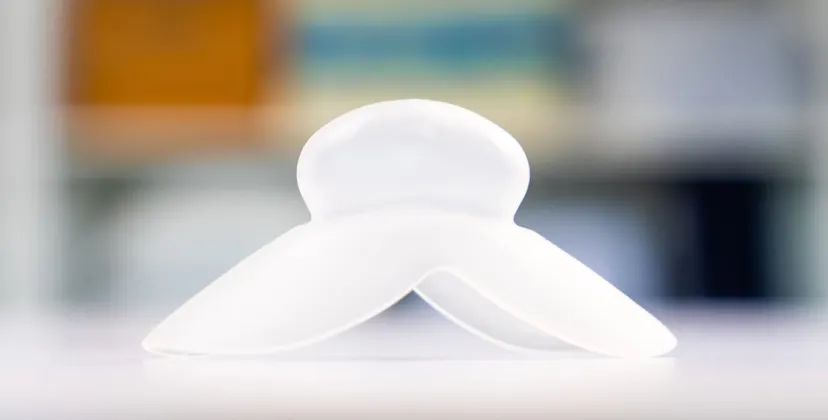
Maximizing Zzz's: Using a Mouthpiece for Better Sleep and Reduced Snoring
How to choose the right mouthpiece
With numerous mouthpieces available on the market, it can be overwhelming to choose the right one. Here are some factors to consider when selecting a mouthpiece:
1. Comfort: A mouthpiece that is comfortable to wear is crucial for a good night’s sleep. Look for one that is made from soft, flexible materials and can be adjusted to fit your mouth.
2. Effectiveness: While all mouthpieces aim to reduce snoring, some may be more effective than others. Look for reviews and customer feedback to determine the effectiveness of a particular mouthpiece.
3. Customization: Some mouthpieces can be customized to fit your mouth, while others come in standard sizes. Customized mouthpieces may provide a better fit and be more effective in reducing snoring.
4. Durability: Consider the material and construction of the mouthpiece to ensure its durability. A higher quality, durable mouthpiece may be more expensive, but it will last longer and provide better value in the long run.
5. Cost: Mouthpieces can range from a few dollars to hundreds of dollars. Consider your budget and the features you need to find a mouthpiece that fits your needs and budget.
Tips for using a mouthpiece
1. Follow instructions: It is essential to carefully follow the instructions for using the mouthpiece to ensure proper fit and effectiveness.
2. Give it time: It may take a few nights to get used to wearing a mouthpiece. Be patient and give yourself time to adjust to it.
3. Keep it clean: Regularly clean your mouthpiece as per the manufacturer’s instructions to prevent bacteria buildup and maintain its effectiveness.
4. Consult a doctor: If you have any underlying health conditions that may be contributing to your snoring, it is important to consult a doctor before using a mouthpiece.
5. Combine with other solutions: While a mouthpiece can be effective on its own, combining it with other solutions such as changing sleeping positions or using nasal strips can further improve its effectiveness.
In conclusion, using a mouthpiece for snoring can have numerous benefits, including better sleep quality, increased energy, and improved relationships. By choosing the right mouthpiece and following these tips, you can maximize your Zzz’s and achieve a better night’s sleep.