
Quiet Nights Ahead: Using a Mouthpiece for Snoring and Sleep Disorders
Snoring is a common problem that affects millions of people worldwide. Not only can it disrupt your own sleep, but it can also disturb your partner or other family members. Additionally, snoring can also be a sign of a more serious sleep disorder such as sleep apnea. Fortunately, there are various solutions available to help reduce or eliminate snoring and improve overall sleep quality. One effective option is the use of a mouthpiece specifically designed for snoring and sleep disorders. In this blog post, we will discuss everything you need to know about using a mouthpiece for snoring and sleep disorders and how it can lead to quiet nights ahead.
Understanding Snoring and Sleep Disorders
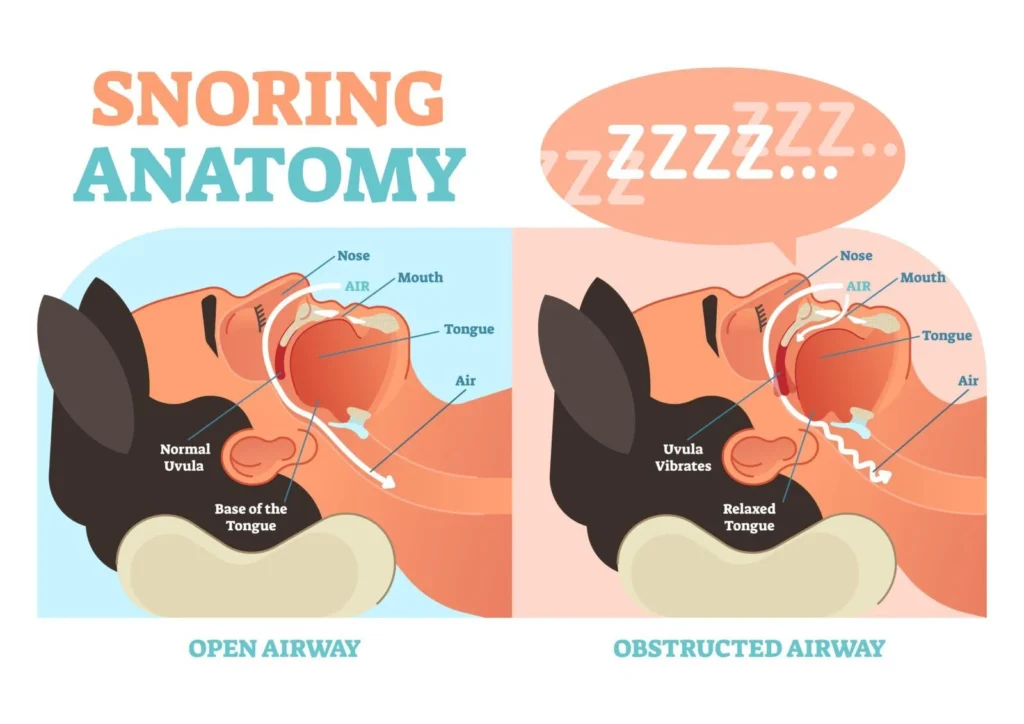
Before diving into the topic of mouthpieces, it is important to understand the underlying causes of snoring and sleep disorders. Snoring occurs when the muscles in the back of the throat relax, causing the airway to narrow and vibrate, resulting in the familiar snoring sound. This can happen due to several reasons such as excessive throat tissue, nasal congestion, or the position of your tongue. In some cases, snoring can also be a symptom of a more serious sleep disorder called sleep apnea, which is characterized by pauses in breathing during sleep.
Sleep apnea can have serious consequences if left untreated, such as high blood pressure, heart disease, and stroke. It can also lead to daytime sleepiness, irritability, and difficulty concentrating. Therefore, it is important to address snoring and sleep disorders to improve overall health and well-being.
Types of Mouthpieces for Snoring and Sleep Disorders
Mouthpieces, also known as oral appliances, are a popular and effective solution for snoring and sleep disorders. They work by keeping the airway open and preventing the tongue and soft tissues from collapsing, which reduces snoring and improves breathing. There are two main types of mouthpieces available: mandibular advancement devices (MADs) and tongue retaining devices (TRDs).
MADs are the most commonly used mouthpieces and work by pushing the lower jaw slightly forward, which helps keep the airway open. They are custom-made or adjustable to fit each individual’s mouth and are usually worn during sleep. On the other hand, TRDs work by holding the tongue in place to prevent it from falling back and blocking the airway. They are typically used for people who have snoring or sleep apnea caused by tongue obstruction.
Benefits of Using a Mouthpiece for Snoring and Sleep Disorders
Quiet Nights Ahead: Using a Mouthpiece for Snoring and Sleep Disorders
One of the main benefits of using a mouthpiece for snoring and sleep disorders is its effectiveness in reducing or eliminating snoring. This not only leads to a better night’s sleep for the snorer but also for their partner or other family members. Additionally, mouthpieces can also improve breathing, which can be especially beneficial for those with sleep apnea.
Moreover, mouthpieces are a non-invasive and non-surgical solution for snoring and sleep disorders. Unlike other treatments, such as surgery or continuous positive airway pressure (CPAP) machines, they do not require any medication or invasive procedures. They are also relatively affordable compared to other options, making them accessible for a wider range of people.
Tips for Using a Mouthpiece Effectively
To get the most out of your mouthpiece, here are some tips for using it effectively:
1. Get a custom-made mouthpiece: While over-the-counter mouthpieces may seem convenient, they may not fit your mouth properly and may not be as effective. It is recommended to get a custom-made mouthpiece from a dentist or sleep specialist to ensure a proper fit and maximum effectiveness.
2. Follow the instructions: Each mouthpiece may have different instructions for use, so it is important to read and follow them carefully. This will ensure that you are using the mouthpiece correctly and getting the most benefit from it.
3. Be patient: It may take some time to get used to wearing a mouthpiece while sleeping. Give yourself time to adjust and be patient with the process. It may take a few nights or even a couple of weeks to start seeing the full benefits.
4. Keep it clean: It is important to clean your mouthpiece regularly to prevent bacteria buildup and maintain its effectiveness. Follow the manufacturer’s instructions for cleaning or consult with your dentist for the best cleaning methods.
5. Consult with a healthcare professional: If you have a sleep disorder such as sleep apnea, it is important to consult with a healthcare professional before using a mouthpiece. They can provide proper diagnosis and recommend the best treatment plan for your specific condition.
In conclusion, using a mouthpiece for snoring and sleep disorders can lead to quiet nights ahead. By understanding the causes of snoring and sleep disorders, knowing the types of mouthpieces available, and following tips for effective use, you can improve your sleep quality and overall health. Consult with a healthcare professional to determine if a mouthpiece is the right solution for your snoring or sleep disorder and start enjoying peaceful and restful nights.