
Sleeping soundly is something we all strive for, but for many people who suffer from snoring, it can seem like an impossible dream. Snoring not only affects the quality of sleep for the snorer, but it can also disrupt the sleep of their partner and even lead to more serious health issues. In recent years, mouthpieces have become a popular solution for snoring, but do they really work? In this blog post, we will uncover the truth about mouthpieces for snoring and help you determine if they are the right solution for you.
First, let’s understand what causes snoring. Snoring occurs when the airway becomes partially blocked, causing the tissues in the throat to vibrate and produce the snoring sound. This can happen due to a variety of factors including obesity, alcohol consumption, allergies, and sleeping on your back. While snoring itself may seem harmless, it can actually be a symptom of a more serious sleep disorder called sleep apnea, which can lead to other health issues such as high blood pressure, heart disease, and stroke.
So, where do mouthpieces come into play? Mouthpieces, also known as oral appliances, are devices that are worn in the mouth while sleeping to help keep the airway open and reduce snoring. There are two main types of mouthpieces: mandibular advancement devices (MADs) and tongue retaining devices (TRDs). MADs work by pushing the lower jaw and tongue forward, while TRDs hold the tongue in place to prevent it from blocking the airway.
One of the main benefits of mouthpieces is that they are non-invasive and easy to use. Unlike other snoring solutions such as surgery or continuous positive airway pressure (CPAP) machines, mouthpieces do not require any medical procedures or additional equipment. They are also relatively affordable and can be purchased over the counter or through a dentist.
But do they actually work? The answer is, it depends. Mouthpieces have been found to be effective in reducing snoring in many cases, especially for those with mild to moderate sleep apnea. However, they may not be as effective for those with severe sleep apnea. It’s important to consult with a doctor or sleep specialist to determine the severity of your snoring and whether a mouthpiece is the right solution for you.
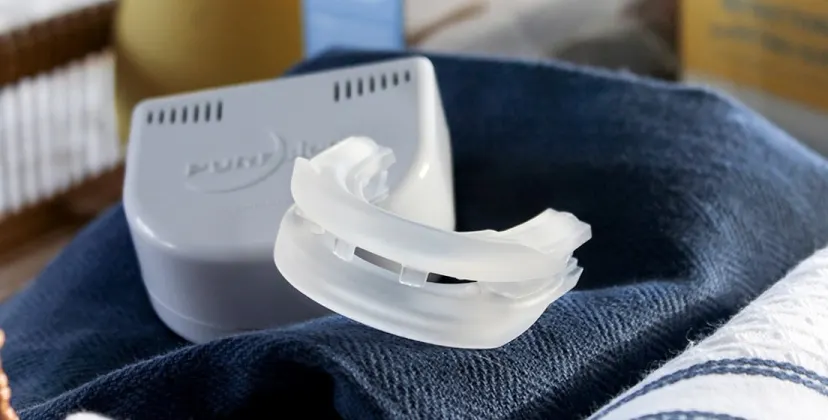
Sleeping Soundly: Uncovering the Truth About Mouthpieces for Snoring
It’s also important to note that not all mouthpieces are created equal. There are many different brands and types of mouthpieces on the market, and it’s important to do your research and consult with a professional before making a purchase. Custom-made mouthpieces, which are made specifically for your mouth by a dentist, tend to be more effective and comfortable than over-the-counter options. They may also have a higher success rate in reducing snoring.
Another factor to consider is the adjustment period. It may take some time to get used to wearing a mouthpiece while sleeping, and some people may experience mild discomfort or jaw pain. However, with proper adjustments and patience, most people are able to adapt to wearing a mouthpiece and find it to be a comfortable solution for their snoring.
It’s also important to note that mouthpieces are not a one-size-fits-all solution. They may not work for everyone, and in some cases, they may even make snoring worse. This is why it’s crucial to consult with a doctor or sleep specialist before trying a mouthpiece. They can help determine the root cause of your snoring and recommend the best course of treatment for your specific case.
In addition to using a mouthpiece, there are other lifestyle changes that can help reduce snoring. Maintaining a healthy weight, avoiding alcohol before bed, and sleeping on your side instead of your back can all have a positive impact on snoring. It’s important to address any underlying health issues that may be causing snoring, such as allergies or sleep apnea, in order to effectively treat the problem.
In summary, mouthpieces can be an effective solution for snoring in many cases, but they are not a one-size-fits-all solution. It’s important to consult with a doctor or sleep specialist to determine the severity of your snoring and whether a mouthpiece is the right solution for you. Additionally, it’s important to do your research and choose a high-quality mouthpiece that is custom-made for your mouth. With the right approach and a bit of patience, you can finally achieve a good night’s sleep and say goodbye to snoring.