
Snoring is a common issue that affects millions of people worldwide. It is often seen as a harmless annoyance, but recent research has shown that snoring can actually be linked to light sleeping habits. This surprising connection has shed light on the importance of understanding and addressing snoring in order to improve sleep quality.
To begin with, let’s understand what snoring is and why it occurs. Snoring is the sound produced when air flows through the relaxed tissues in the throat, causing them to vibrate. This can happen due to various reasons such as nasal congestion, sleeping position, or structural issues in the airway. While occasional snoring may not be a cause for concern, chronic snoring can lead to sleep disturbances and health issues.
One of the main reasons for the connection between snoring and light sleeping habits is the disruption of the sleep cycle. When a person snores, it can cause them to partially wake up multiple times throughout the night. These interruptions prevent the person from entering into deep, restorative sleep, and instead, they remain in a light sleep state. This can result in feeling tired and groggy in the morning, even after a seemingly full night’s rest.
Moreover, snoring can also affect the sleep quality of the person’s partner. The loud and disruptive noise can cause their partner to wake up and have difficulty falling back asleep. This can lead to a cycle of disrupted sleep for both individuals, resulting in a feeling of fatigue and irritability the next day. In some cases, partners of snorers may even choose to sleep in a separate room to get a good night’s rest.
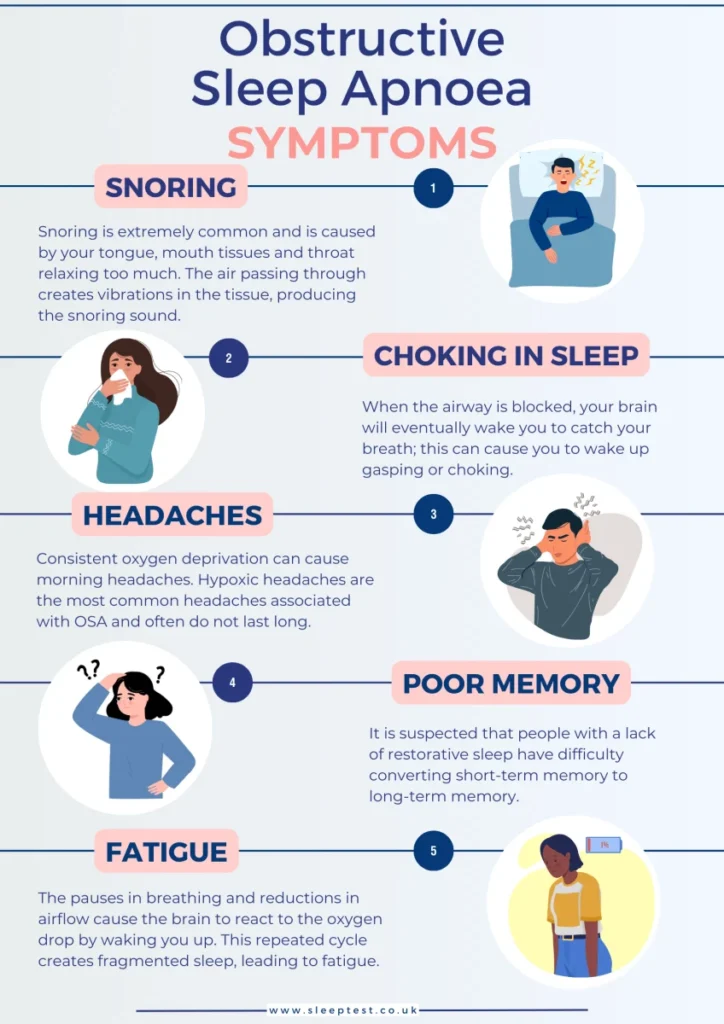
The Surprising Connection Between Snoring and Light Sleeping Habits
In addition to disrupting sleep, snoring has been linked to various health issues. Chronic snoring has been associated with an increased risk of cardiovascular diseases, diabetes, and stroke. This is because snoring can lead to a decrease in oxygen levels and an increase in blood pressure, putting a strain on the heart and other organs. It can also lead to daytime sleepiness, making it difficult to concentrate and increasing the risk of accidents.
But how exactly does snoring affect sleep quality? One explanation is that snoring is a symptom of obstructive sleep apnea (OSA), a condition in which the airway becomes partially or completely blocked during sleep. This results in pauses in breathing, leading to oxygen deprivation and frequent awakenings throughout the night. OSA is a serious sleep disorder that not only affects sleep quality but also has a significant impact on overall health. It is important to seek medical attention if snoring is accompanied by other symptoms such as gasping for air, morning headaches, and excessive daytime sleepiness.
Fortunately, there are various ways to address snoring and improve sleep quality. The first step is to identify the underlying cause of snoring. This can be done by consulting a doctor or undergoing a sleep study. In some cases, simple lifestyle changes such as losing weight, quitting smoking, and avoiding alcohol before bedtime can help reduce snoring. Using a continuous positive airway pressure (CPAP) machine, which delivers a steady stream of air to keep the airway open, is a common treatment option for those with OSA. Other options include oral appliances, surgery, and positional therapy, where the person is encouraged to sleep on their side rather than their back.
In addition to seeking medical treatment, there are also some natural remedies that can help reduce snoring. These include practicing good sleep hygiene, such as maintaining a regular sleep schedule and creating a comfortable sleeping environment. Using nasal strips or nasal dilators can also help improve airflow and reduce snoring. Some people have also found relief by investing in an adjustable bed or using anti-snoring pillows, which are designed to keep the head and neck in a position that promotes better breathing.
In conclusion, the surprising connection between snoring and light sleeping habits highlights the importance of addressing snoring in order to improve sleep quality. Snoring not only disrupts sleep for the person experiencing it, but it can also affect their partner and lead to various health issues. By understanding the underlying causes of snoring and seeking appropriate treatment, individuals can improve their sleep and overall well-being. So the next time you hear someone snoring, remember that it may be a sign of an underlying issue that needs to be addressed for better sleep.