
Blog Post: How to Get a Better Night’s Sleep: Tips for Light Sleepers Using a Mouthpiece
Having trouble getting a good night’s rest? If you’re a light sleeper, you know how frustrating it can be to wake up constantly throughout the night. But don’t worry, there are solutions to help you achieve a better night’s sleep. One option that has been proven to be effective for light sleepers is using a mouthpiece. In this blog post, we will discuss how a mouthpiece can improve your sleep quality and provide tips for choosing and using one.
Why a Mouthpiece?
A mouthpiece, also known as an oral appliance, is a small device that is fitted in your mouth to help with various issues related to sleep apnea, snoring, and teeth grinding. It is made from a soft, flexible material and is custom-fit to your mouth by a dentist. The purpose of a mouthpiece is to keep your airway open and prevent any obstruction that can cause snoring or sleep apnea.
For light sleepers, a mouthpiece can be a game changer. It can help reduce snoring, which can be a major disturbance for both you and your partner. Additionally, if you are prone to teeth grinding, a mouthpiece can protect your teeth and prevent any damage caused by this habit. By keeping your airway open, a mouthpiece can also improve the quality of your sleep, allowing you to wake up feeling more rested and energized.
Tips for Choosing a Mouthpiece
If you’ve decided to try a mouthpiece to improve your sleep, here are some tips to help you choose the right one:
1. Consult with a Dentist: It’s important to consult with a dentist before choosing a mouthpiece. They will be able to evaluate your specific needs and recommend the best type of mouthpiece for you.
2. Consider the Material: Mouthpieces come in different materials such as silicone, plastic, or a combination of both. Make sure to choose one that is comfortable and fits well in your mouth.
3. Look for Adjustability: Some mouthpieces come with adjustable positions to allow for a more custom fit. This can be beneficial if you have a particularly small or large mouth.
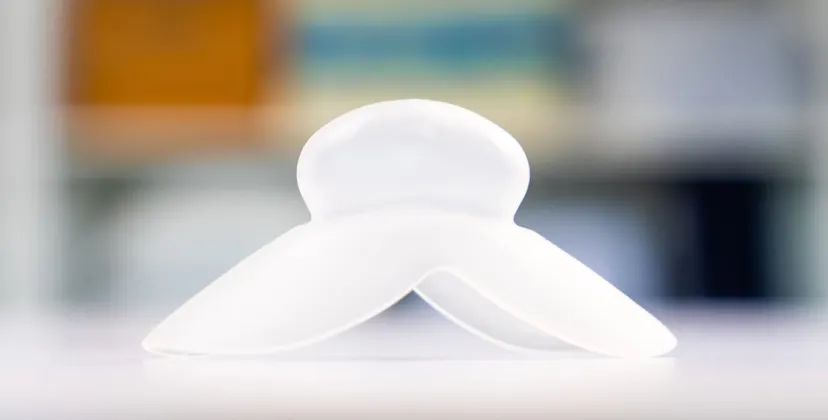
How to Get a Better Night's Sleep: Tips for Light Sleepers Using a Mouthpiece
4. Read Reviews: Before making a purchase, read reviews from other users to get an idea of the effectiveness and comfort of a particular mouthpiece.
Tips for Using a Mouthpiece
Once you’ve chosen the right mouthpiece, here are some tips for using it effectively:
1. Practice Makes Perfect: It may take some time to get used to wearing a mouthpiece. Practice wearing it during the day to help your mouth and jaw adjust before using it at night.
2. Keep it Clean: Make sure to clean your mouthpiece regularly with a toothbrush and mild soap. This will help prevent any bacteria build-up and keep it in good condition.
3. Use it Consistently: To see the full benefits of a mouthpiece, it’s important to use it consistently every night. It may take some time to see improvements, so be patient and stick with it.
4. Make Adjustments if Necessary: If you experience any discomfort or your snoring persists, make adjustments to the position of your mouthpiece. Consult with your dentist for guidance.
Conclusion
A good night’s sleep is crucial for our overall health and well-being. For light sleepers, a mouthpiece can be a simple and effective solution to improve sleep quality. By keeping your airway open and reducing snoring, a mouthpiece can help you wake up feeling more rested and refreshed. Remember to consult with a dentist for the best fit and follow these tips for using a mouthpiece to get the most out of it.
In summary, light sleepers can benefit from using a mouthpiece to improve their sleep quality. Tips for choosing the right mouthpiece include consulting with a dentist, considering the material and adjustability, and reading reviews. To use a mouthpiece effectively, practice wearing it, keep it clean, use it consistently, and make adjustments if necessary. With these tips, light sleepers can finally get the restful night’s sleep they deserve.