
Breaking the Cycle: How a Mouthpiece Can Help with Snoring and RLS
Snoring and Restless Leg Syndrome (RLS) are two common sleep disorders that can significantly impact one’s quality of life. Not only can they affect the individual suffering from these disorders, but they can also disrupt the sleep of their partners and family members. While there are various treatments available for these conditions, one solution that has been gaining popularity is the use of a mouthpiece. In this blog post, we will explore how a mouthpiece can break the cycle of snoring and RLS, and the science behind its effectiveness.
Understanding Snoring and RLS
Before delving into how a mouthpiece can help with snoring and RLS, it is essential to understand these conditions and their impact on sleep. Snoring is a common sleep disorder that affects approximately 90 million adults in the United States alone. It is characterized by a loud, hoarse, or harsh sound that occurs during sleep when the air flows past relaxed tissues in the throat, causing them to vibrate. Snoring can range from mild to severe and can be a symptom of a more serious condition called Obstructive Sleep Apnea (OSA).
On the other hand, RLS is a neurological disorder that causes an irresistible urge to move one’s legs, often accompanied by unpleasant sensations such as creeping, crawling, tingling, or burning. This condition can range from mild to severe and can significantly disrupt one’s sleep, leading to chronic fatigue and other health issues.
The Connection Between Snoring and RLS
While snoring and RLS may seem like two unrelated conditions, they are often connected. The relationship between the two is that they both disrupt sleep, leading to daytime fatigue and other health issues. In some cases, snoring can even trigger RLS symptoms, making it challenging to get a good night’s sleep.
Moreover, individuals who suffer from RLS are more likely to snore due to the muscle twitching and movement they experience in their legs, which can cause disturbances in breathing and lead to snoring. This cycle of snoring and RLS can have a significant impact on one’s overall health and well-being.
How a Mouthpiece Can Help
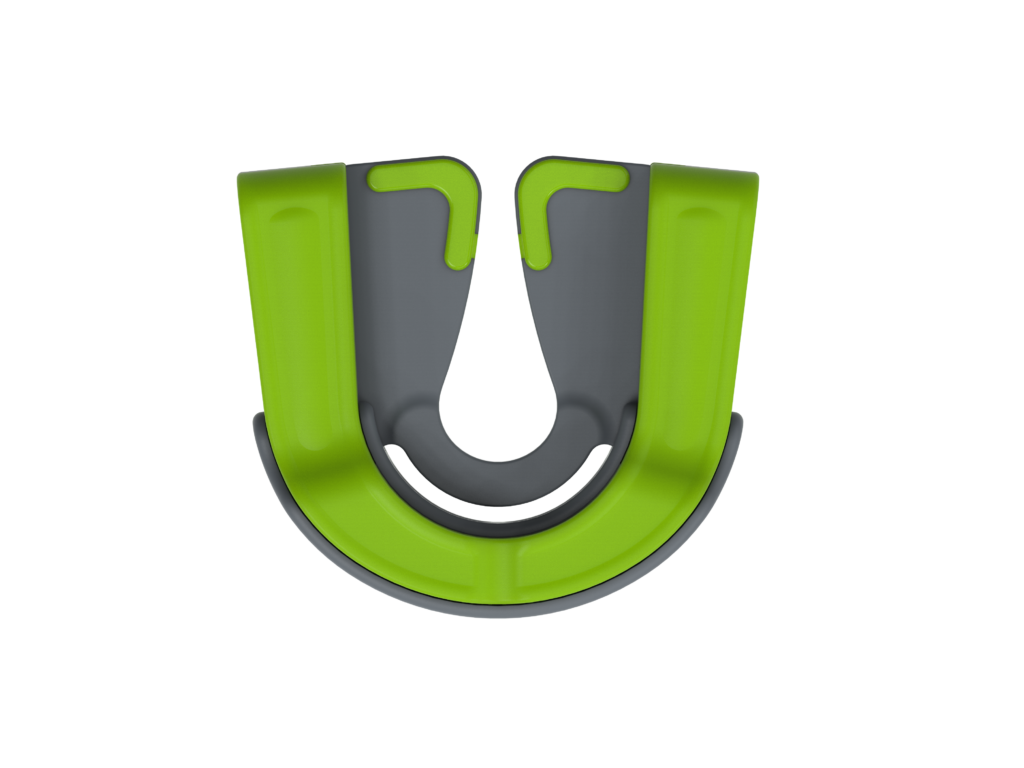
Breaking the Cycle: How a Mouthpiece Can Help with Snoring and RLS
A mouthpiece, also known as a mandibular advancement device, is a custom-made oral appliance that is worn during sleep. It works by gently pushing the lower jaw forward, which opens up the airway, allowing for easier breathing. This forward movement prevents the tongue and soft tissues in the throat from collapsing, reducing or eliminating snoring.
Additionally, a mouthpiece can also help with RLS by improving sleep quality. When individuals with RLS use a mouthpiece, they can achieve a deeper, more restful sleep, reducing the frequency and intensity of RLS symptoms. This is because a mouthpiece helps to keep the airway open, preventing breathing disruptions that can trigger RLS symptoms.
Scientific Evidence
The effectiveness of a mouthpiece in treating snoring and RLS is supported by scientific evidence. A study published in the Journal of Clinical Sleep Medicine found that using a custom-made oral appliance significantly reduced snoring in individuals with mild to moderate OSA. Another study published in the Journal of Sleep Research showed that using a mouthpiece improved sleep quality and reduced RLS symptoms in individuals with both snoring and RLS.
Moreover, a randomized controlled trial published in the Journal of Dental Sleep Medicine found that a mouthpiece was equally effective as Continuous Positive Airway Pressure (CPAP) therapy in reducing snoring and improving sleep quality in individuals with OSA. This study also showed that a mouthpiece was more comfortable and less intrusive than CPAP therapy, making it a preferred treatment option for many individuals.
Other Benefits of Using a Mouthpiece
Aside from its effectiveness in treating snoring and RLS, using a mouthpiece also has other benefits. It is a non-invasive treatment option that does not require surgery or medication, making it safe for most individuals. It is also portable and easy to use, making it an ideal solution for those who travel frequently.
Moreover, a custom-made mouthpiece is designed to fit each individual’s mouth, ensuring maximum comfort and effectiveness. It is also easy to clean and maintain, making it a cost-effective option in the long run.
In summary, snoring and RLS are two common sleep disorders that can significantly impact one’s quality of life. They are often interconnected, leading to a vicious cycle of disrupted sleep. However, a mouthpiece can break this cycle by reducing snoring and improving sleep quality, thereby reducing the frequency and intensity of RLS symptoms. Scientific evidence supports the effectiveness of a mouthpiece, and it has other benefits such as being non-invasive, portable, and easy to use. If you or your partner suffer from snoring or RLS, consider trying a mouthpiece for a better night’s sleep.