
Blog Post Title: A Good Night’s Sleep: The Role of Positional Therapy in Snoring Treatment
Getting a good night’s sleep is essential for our overall health and well-being. However, for those who suffer from snoring, a good night’s sleep can be hard to come by. Snoring not only affects the quality of sleep for the snorer but also for their partner and can even lead to serious health issues. While there are various treatment options available for snoring, one that has gained attention in recent years is positional therapy. In this blog post, we will explore the role of positional therapy in snoring treatment and how it can help improve sleep quality.
What is Positional Therapy?
Positional therapy is a non-invasive treatment for snoring that involves changing the sleeping position of the snorer. It aims to prevent the snorer from sleeping on their back, which is often the cause of snoring. This is because when we sleep on our backs, the tongue and soft tissues in the throat can collapse, blocking the airway and causing snoring.
How Does Positional Therapy Work?
There are several ways in which positional therapy can be implemented. One common method is using a specialized pillow or mattress that encourages side sleeping. These pillows and mattresses are designed to be uncomfortable when sleeping on your back, thus encouraging you to sleep on your side. Another method is wearing a device that attaches to the back or chest, reminding the snorer to stay in a side sleeping position throughout the night.
Additionally, there are also apps and wearable devices that use sensors to detect when the snorer is on their back and gently vibrate to prompt them to change positions. These devices can also track sleeping patterns and provide feedback on the effectiveness of the therapy.
Benefits of Positional Therapy for Snoring
1. Non-Invasive
One of the biggest advantages of positional therapy is that it is a non-invasive treatment. Unlike other snoring treatments such as surgery or continuous positive airway pressure (CPAP) machines, positional therapy does not involve any medications, devices inserted into the body, or surgeries. This makes it a safe and natural option for those looking to improve their snoring.
2. Cost-Effective
Compared to other snoring treatments, positional therapy is also relatively affordable. While specialized pillows and mattresses may be more expensive than regular ones, they are a one-time investment, unlike CPAP machines that require ongoing maintenance and replacement parts. Apps and wearable devices are also more budget-friendly options.
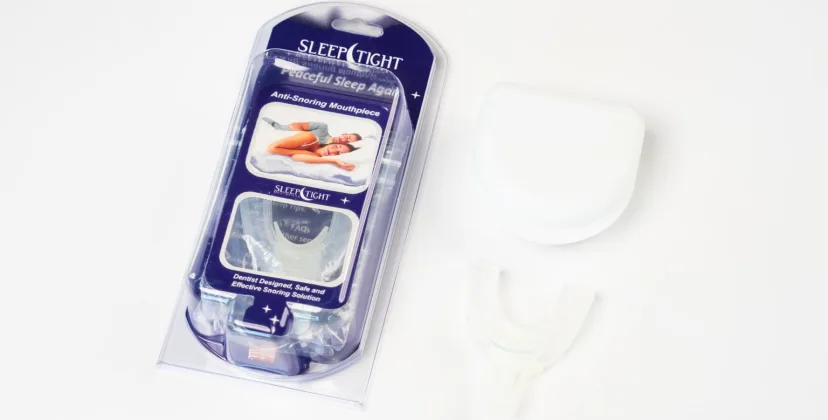
A Good Night's Sleep: The Role of Positional Therapy in Snoring Treatment
3. Effective for Mild to Moderate Snoring
Positional therapy has shown to be most effective for those with mild to moderate snoring. For people with severe snoring or underlying medical conditions, it may not be as effective. However, it can still be used in conjunction with other treatments for better results.
4. Improves Sleep Quality
By preventing the snorer from sleeping on their back, positional therapy can significantly reduce snoring and improve the quality of sleep for both the snorer and their partner. This can lead to better sleep patterns, increased energy levels, and improved overall health.
5. Portable and Easy to Use
Positional therapy devices are portable and can be easily used while traveling. This makes it a convenient option for those who travel frequently and may not have access to their regular snoring treatments.
Is Positional Therapy Right for You?
While positional therapy may seem like an attractive option for snoring treatment, it is important to consult with a doctor or sleep specialist before trying it. They can assess the severity of your snoring and determine if positional therapy is suitable for you. They can also recommend the best method of positional therapy based on your specific needs.
In addition, it is essential to keep in mind that positional therapy may not be a one-size-fits-all solution. It may take some time and trial and error to find the right device or method that works for you. Consistency is key, and it may take a few weeks before you see significant improvements in your snoring.
In conclusion, positional therapy is a non-invasive and cost-effective treatment option for snoring that can significantly improve sleep quality. While it may not work for everyone, it is worth considering for those with mild to moderate snoring. Remember to consult with a doctor and be patient in finding the right method for you. With the right approach, positional therapy can help you and your partner get a good night’s sleep.
Summary:
Snoring can significantly impact the quality of sleep for the snorer and their partner. While there are various treatment options available, one that has gained attention in recent years is positional therapy. This non-invasive treatment aims to prevent snoring by encouraging side sleeping. It can be achieved through specialized pillows and mattresses, wearable devices, or apps. Some benefits of positional therapy include its non-invasive nature, cost-effectiveness, and effectiveness for mild to moderate snoring. However, it is essential to consult with a doctor before trying it and to be consistent in its use. With the right approach, positional therapy can help improve sleep quality for those who suffer from snoring.