
Blog Post Title: A Guide to Using a Mouthpiece for Snoring and Sleep Paralysis
Do you struggle with snoring or sleep paralysis? These common sleep issues can greatly impact the quality of your rest and overall health. However, there is a simple solution that can help alleviate these problems: using a mouthpiece. In this guide, we will discuss what snoring and sleep paralysis are, how a mouthpiece can help, and how to properly use one for maximum effectiveness.
What is Snoring?
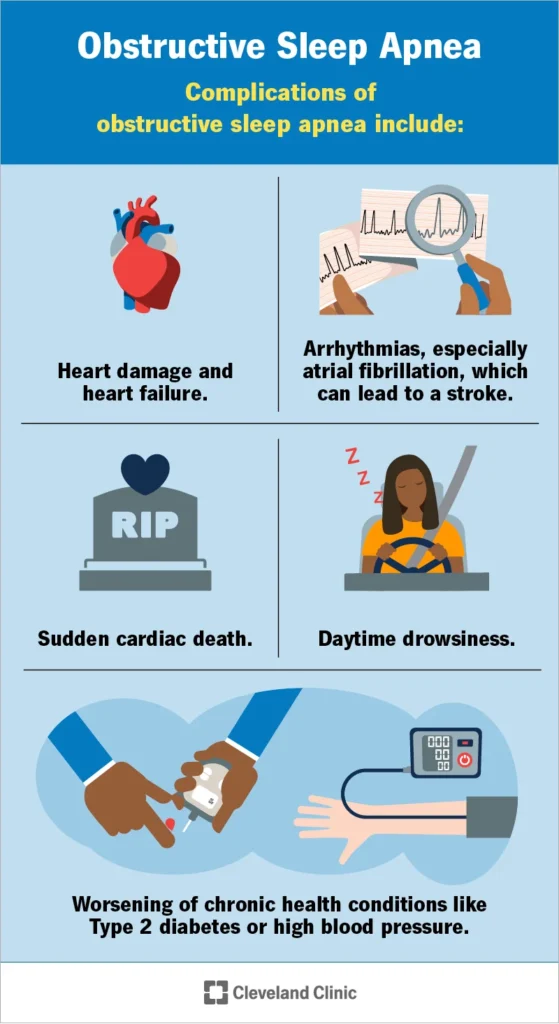
Snoring is a common sleep disorder that affects approximately 90 million American adults. It is caused by the vibration of tissues in the throat and nose, which can be due to various factors such as obesity, nasal congestion, or sleep position. Snoring not only disrupts your sleep, but it can also disturb your partner’s sleep and lead to other health issues such as fatigue, irritability, and increased risk of heart disease.
What is Sleep Paralysis?
Sleep paralysis is a temporary inability to move or speak while falling asleep or waking up. It occurs when the body is transitioning between different stages of sleep, and the brain is still partially in a state of REM (rapid eye movement) sleep. This phenomenon can be accompanied by hallucinations and a feeling of pressure on the chest, making it a scary and unsettling experience for many people. Sleep paralysis can be triggered by stress, lack of sleep, and certain medications.
How Can a Mouthpiece Help?
A mouthpiece, also known as an oral appliance, is a device that is worn in the mouth while sleeping to help alleviate snoring and sleep apnea. It works by repositioning the jaw and tongue, keeping the airway open and preventing the soft tissues from vibrating. Mouthpieces can also help with sleep paralysis by reducing the pressure on the chest and improving breathing during sleep.
A Guide to Using a Mouthpiece for Snoring and Sleep Paralysis
Types of Mouthpieces:
1. Mandibular Advancement Devices (MADs): These are the most common type of mouthpiece and work by moving the lower jaw forward to open up the airway. They are custom-made by a dentist or can be purchased over-the-counter.
2. Tongue Retaining Devices (TRDs): These devices hold the tongue in place to prevent it from blocking the airway. They are recommended for those who have a large tongue or small jaw.
3. Tongue Stabilizing Devices (TSDs): Similar to TRDs, TSDs also keep the tongue in place, but they use suction to hold it instead of a retaining mechanism.
How to Use a Mouthpiece:
1. Choose the right type of mouthpiece: Consult with your dentist or a sleep specialist to determine the best type of mouthpiece for your specific needs.
2. Get a proper fit: If you opt for a custom-made mouthpiece, make sure to get it fitted by a professional. For over-the-counter devices, follow the instructions for fitting carefully.
3. Wear it consistently: It may take some time to get used to wearing a mouthpiece, but it is important to wear it every night for maximum effectiveness.
4. Clean it regularly: To prevent bacteria buildup, clean your mouthpiece daily with a toothbrush and toothpaste or a denture cleaner.
5. Replace when necessary: Mouthpieces can wear out over time, so make sure to replace them as recommended by the manufacturer.
Other Tips for Better Sleep:
1. Maintain a healthy weight: Excess weight can contribute to snoring and sleep apnea, so try to maintain a healthy weight through a balanced diet and regular exercise.
2. Avoid alcohol and sedatives: These substances can relax the muscles in your throat, leading to increased snoring and sleep apnea.
3. Practice good sleep hygiene: Make sure to establish a regular sleep schedule, create a comfortable sleep environment, and avoid stimulating activities before bedtime.
In conclusion, snoring and sleep paralysis can greatly affect your sleep and overall well-being. Using a mouthpiece is a simple and effective way to alleviate these issues and improve your sleep quality. By choosing the right type of mouthpiece and following proper usage and hygiene, you can enjoy a peaceful and restful night’s sleep. Remember, always consult with a healthcare professional if you have any concerns or questions about using a mouthpiece.
Summary:
– Snoring and sleep paralysis are common sleep disorders that can greatly impact your health.
– A mouthpiece can help alleviate these issues by repositioning the jaw and tongue to keep the airway open.
– There are different types of mouthpieces, including MADs, TRDs, and TSDs.
– To use a mouthpiece properly, get the right fit, wear it consistently, and clean it regularly.
– Other tips for better sleep include maintaining a healthy weight, avoiding alcohol and sedatives, and practicing good sleep hygiene.