
Summary:
Snoring can be a frustrating and disruptive issue for both the snorer and their sleep partner. Often, snoring is caused by a deviated septum, a common condition where the nasal septum (the thin wall between the nostrils) is displaced to one side. This can lead to difficulty breathing through the nose and may contribute to snoring. In this blog post, we will explore the personal journey of coping with snoring and deviated septums, including the challenges faced, treatment options, and helpful tips for managing these conditions.
The Personal Journey:
For many individuals, snoring and deviated septums can be a lifelong struggle. It can affect self-confidence, relationships, and overall well-being. As someone who has dealt with snoring and a deviated septum for years, I understand the frustration and challenges it brings. From feeling embarrassed to sleep in the same room as others to constantly waking up feeling tired and irritable, it can take a toll on one’s mental and physical health.
Challenges:
The first and most significant challenge when dealing with snoring and deviated septums is the lack of awareness and understanding of these conditions. Many people, including doctors, may brush off snoring as a harmless annoyance, not realizing the potential underlying causes and the impact it can have on one’s health. Additionally, finding the right treatment can be challenging as there are many options available, but not all may work for everyone.
Treatment Options:
The first step in treating snoring and a deviated septum is to consult with a doctor or ENT specialist. They can perform a physical examination and determine the severity of the deviated septum, which will help guide the treatment plan. For mild cases, lifestyle changes such as sleeping on your side, avoiding alcohol and sedatives before bed, and maintaining a healthy weight may be enough to alleviate snoring. However, for more severe cases, surgery may be recommended to correct the deviated septum and improve breathing.
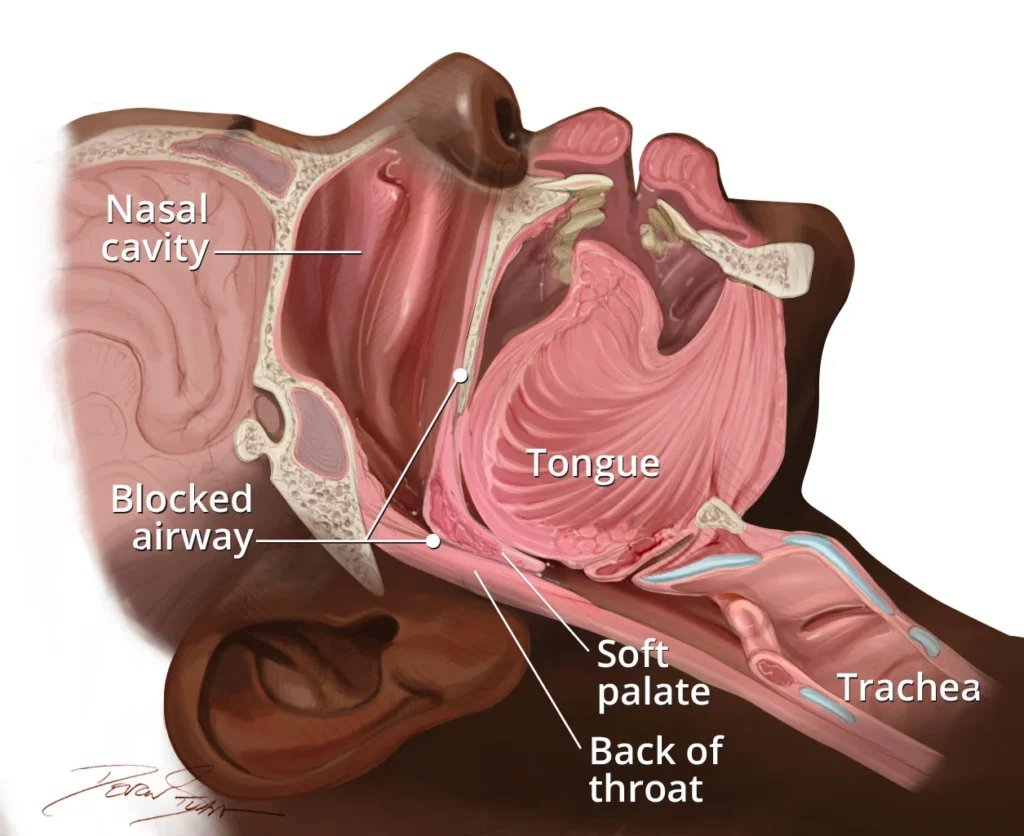
A Personal Journey: Coping with Snoring and Deviated Septums
Helpful Tips:
In addition to seeking medical treatment, there are other helpful tips for managing snoring and deviated septums. Nasal strips, which are adhesive strips placed on the bridge of the nose, can help open up the nasal passages and improve breathing. Keeping the bedroom cool and using a humidifier can also help reduce snoring. Additionally, learning relaxation techniques and practicing good sleep hygiene can aid in getting better sleep and reducing snoring.
Coping with Deviated Septums:
While treatment options can improve snoring, a deviated septum may still be present. In these cases, it is essential to find ways to cope with the condition. Using nasal sprays or saline rinses can help keep the nasal passages clear and reduce congestion. It is also crucial to monitor for any changes in breathing or snoring patterns and to consult with a doctor if symptoms worsen.
Managing Snoring in Relationships:
Snoring can also take a toll on relationships, especially for sleep partners. It is essential to have open and honest communication about the issue and work together to find solutions. Sleep partners can also try using earplugs or noise-cancelling headphones to reduce the noise of snoring. Additionally, seeking couples counseling or joining a support group can provide valuable insight and support for managing snoring in relationships.
Conclusion:
Coping with snoring and deviated septums can be a challenging and ongoing journey. However, with the right treatment, helpful tips, and support, it is possible to manage these conditions and improve overall quality of life. It is vital to seek medical advice and be patient in finding the right treatment plan. Remember to prioritize self-care and communicate openly with sleep partners to minimize the impact of snoring on relationships.