
Sinusitis is a common condition that affects millions of people worldwide. It occurs when the sinus cavities become inflamed and swollen, leading to symptoms such as congestion, headaches, and difficulty breathing. While sinusitis can be a nuisance in itself, it can also contribute to other health issues, including snoring.
Snoring is a common problem that affects both the snorer and their sleeping partner. It can disrupt sleep patterns and lead to fatigue, irritability, and even more serious health problems. While there are many causes of snoring, sinusitis is one that is often overlooked. In this blog post, we will discuss how addressing sinusitis can help find relief from snoring.
Understanding Sinusitis and Snoring
Before we dive into how sinusitis can contribute to snoring, let’s first understand what sinusitis and snoring are. Sinusitis is an inflammation of the sinus cavities, which are hollow spaces in the bones around the nose. When these cavities become blocked and filled with mucus, it can lead to infection and inflammation. This, in turn, can cause symptoms such as congestion, facial pain, and headaches.
On the other hand, snoring is a condition that occurs when the airway is partially blocked during sleep, leading to vibrations in the throat and nose. This can be caused by various factors, including obesity, alcohol consumption, and sleep apnea. However, sinusitis can also contribute to snoring by obstructing the airway and causing nasal congestion.
How Sinusitis Contributes to Snoring
When the sinuses become inflamed and swollen, they can block the nasal passages, making it difficult to breathe through the nose. This forces the snorer to breathe through their mouth, which can lead to snoring. Additionally, the mucus produced by the inflamed sinuses can drip down the throat and cause irritation, leading to snoring.
Furthermore, sinusitis can also contribute to the development of sleep apnea, a condition where breathing stops and starts during sleep. The blocked nasal passages and mucus can obstruct the airway and make it harder for air to flow in and out of the lungs, leading to sleep apnea.
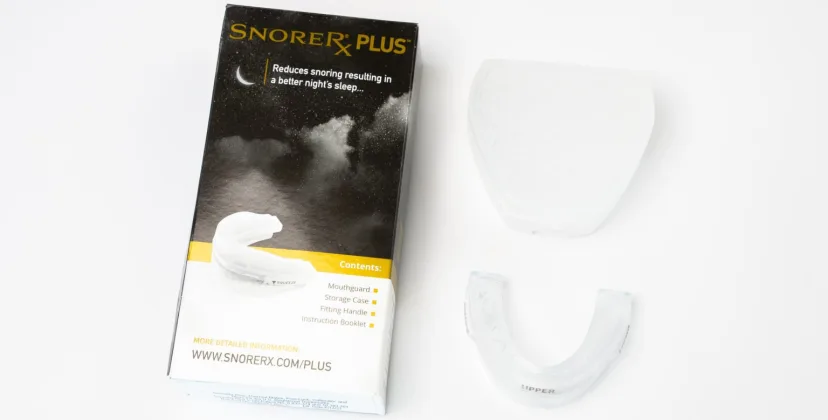
Addressing Sinusitis to Find Relief from Snoring
Addressing Sinusitis to Find Relief from Snoring
Now that we understand how sinusitis can contribute to snoring, it’s essential to address the root cause to find relief. Here are some steps that can help alleviate sinusitis and, in turn, reduce snoring:
1. Nasal Irrigation
One of the most effective ways to relieve sinusitis is through nasal irrigation. This process involves flushing out the nasal passages with a saline solution to remove excess mucus and irritants. Nasal irrigation can be done using a neti pot, a syringe, or a nasal spray. It not only helps with sinusitis but also improves breathing and reduces snoring.
2. Steam Therapy
Steam therapy is another way to reduce sinus inflammation and promote drainage. Breathing in warm, moist air can help loosen mucus and relieve congestion. You can use a steam inhaler or simply sit in a hot shower to achieve the same effect. Adding essential oils like eucalyptus or peppermint can also help clear the sinuses.
3. Over-the-Counter Medications
There are various over-the-counter medications available to alleviate sinusitis symptoms. These include decongestants, antihistamines, and pain relievers. However, it’s essential to consult a doctor before taking any medication, as some may have side effects or interact with other medications.
4. Allergy Management
Allergies can often trigger sinusitis, so managing them can also help reduce snoring. Avoiding allergens, using air purifiers, and taking allergy medication can help alleviate symptoms and reduce sinus inflammation.
5. Seeking Medical Treatment
If sinusitis persists or becomes chronic, it’s essential to seek medical treatment. A doctor may prescribe antibiotics if the sinusitis is caused by a bacterial infection. In severe cases, surgery may be necessary to remove blockages and improve sinus drainage.
In conclusion, sinusitis can contribute to snoring by obstructing the airway and causing nasal congestion. Addressing sinusitis through nasal irrigation, steam therapy, over-the-counter medications, allergy management, and medical treatment can help alleviate symptoms and reduce snoring. If you or your sleeping partner are struggling with snoring, consider addressing sinusitis as a potential cause. By finding relief from sinusitis, you can improve your sleep quality and overall health.