
Snoring is a common issue that affects millions of people worldwide. It not only disrupts the sleep of the snorer but also their partner, leading to a lack of quality rest and potential health issues. While snoring is often associated with age and weight, it can also be a result of stress. In this blog post, we will discuss how stress can contribute to snoring and share some tips on how to reduce stress for better rest.
Stress and Snoring: The Connection
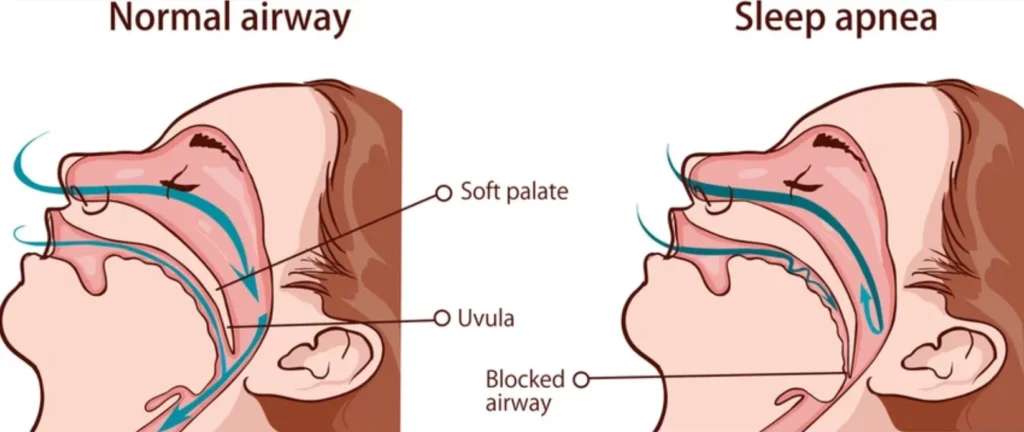
First, it’s essential to understand the relationship between stress and snoring. When we experience stress, our body’s natural response is to release hormones such as adrenaline and cortisol, which can cause our muscles to tense up. This tension can affect the muscles in our throat, making it more difficult for air to pass through, resulting in snoring.
Moreover, stress can also lead to poor sleep quality, which can worsen snoring. When we are stressed, our minds are constantly racing, making it challenging to fall and stay asleep. This lack of quality rest can cause the muscles in our throat to relax too much, resulting in snoring.
Tips to Reduce Stress for Better Rest
1. Practice Relaxation Techniques
One of the most effective ways to reduce stress is through relaxation techniques. These can include deep breathing, meditation, or yoga. By focusing on our breath and clearing our minds, we can lower our stress levels and promote better sleep. A study published in the Journal of Clinical Nursing found that practicing relaxation techniques reduced snoring frequency and intensity in participants.
2. Exercise Regularly
Exercise is not only beneficial for our physical health, but it can also help reduce stress. When we exercise, our body releases endorphins, which are natural mood-boosters. These endorphins can help reduce stress and promote better sleep. Additionally, regular exercise can also help with weight management, which is a common contributor to snoring.
and Snoring: How to Reduce Stress for Better Rest
3. Create a Relaxing Sleep Environment
Our sleep environment plays a significant role in the quality of our rest. To reduce stress and promote better sleep, it’s essential to create a relaxing sleep environment. This can include using calming colors, comfortable bedding, and keeping the room at a cool temperature. It’s also crucial to limit distractions such as electronics in the bedroom, which can increase stress levels.
4. Practice Good Sleep Hygiene
Having good sleep hygiene is essential for reducing stress and improving sleep quality. This includes following a consistent sleep schedule, avoiding caffeine and alcohol close to bedtime, and creating a comfortable sleep environment. By practicing good sleep hygiene, we can promote better rest and reduce the risk of snoring.
5. Seek Support
If stress is significantly impacting your sleep and snoring, it’s essential to seek support. This can include talking to a therapist, joining a support group, or seeking help from loved ones. By sharing our struggles and receiving support, we can reduce stress and improve our overall well-being.
Conclusion
Snoring can be a frustrating and disruptive issue, but by understanding the connection between stress and snoring, we can take steps to reduce stress and promote better rest. By practicing relaxation techniques, exercising regularly, creating a relaxing sleep environment, practicing good sleep hygiene, and seeking support, we can lower stress levels and potentially reduce snoring.
In summary, snoring is often associated with age and weight, but stress can also be a significant contributor. When we experience stress, our muscles can tense up, making it difficult for air to pass through, resulting in snoring. To reduce stress and promote better rest, we can practice relaxation techniques, exercise regularly, create a relaxing sleep environment, practice good sleep hygiene, and seek support.