
Is snoring wrecking your sleep quality (or your partner’s)?
Are you seeing sleep gadgets everywhere and wondering what’s actually worth buying?
Do you want a practical, at-home fix that doesn’t burn a whole paycheck?
Here’s the direct answer: an anti snoring mouthpiece is one of the most common “try this first” options because it’s simple, portable, and often cheaper than chasing every new sleep trend. But it’s not a magic fix. You’ll get the best results when you match the device to the reason you snore and clean up a few high-impact sleep habits.
Why does snoring feel louder lately—are we just more tired?
Snoring isn’t new. What’s new is how many people are talking about sleep like it’s a performance metric. Between workplace burnout, travel fatigue, and a steady stream of “must-have” sleep tech, more people are paying attention to nights that feel broken.
Also, the stakes are social. Snoring has become relationship comedy content for a reason. It’s awkward. It’s loud. It can push couples into separate rooms even when everything else is fine.
Practical takeaway: treat snoring like a sleep-quality problem, not just a noise problem. The goal is quieter breathing and more restorative sleep.
What is an anti snoring mouthpiece, and what does it actually do?
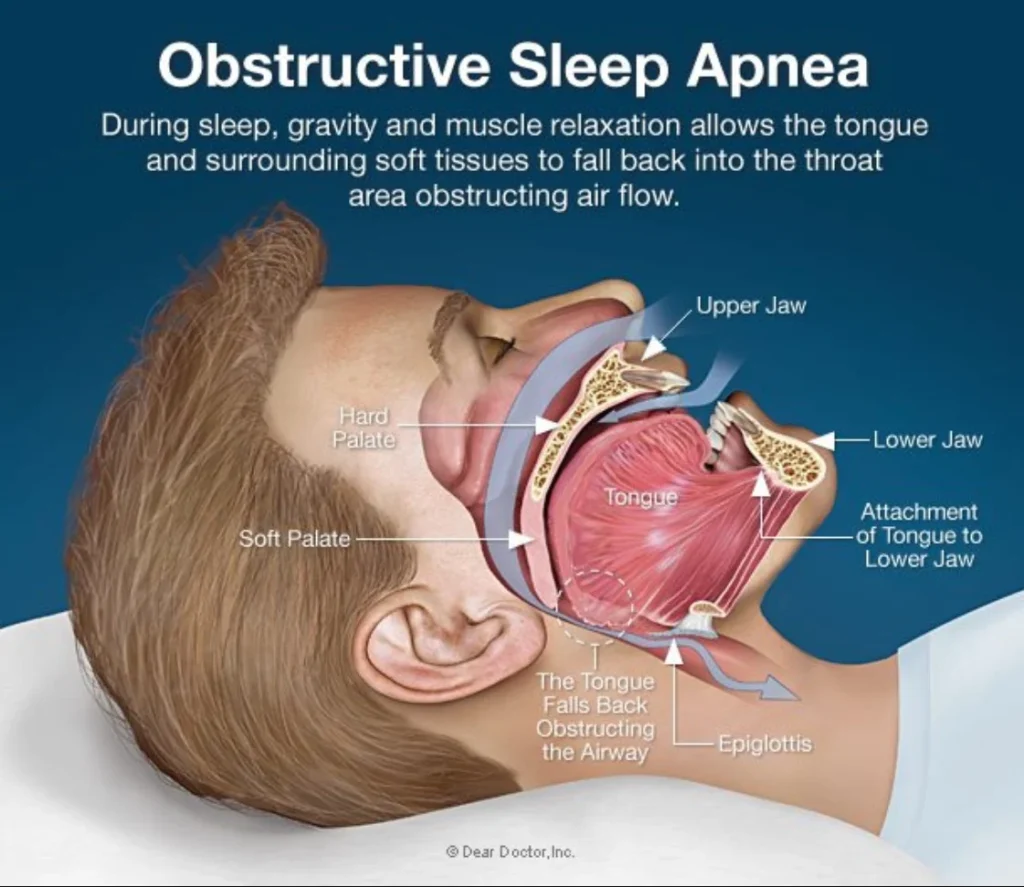
Most anti-snoring mouthpieces are designed to keep the airway more open while you sleep. The most discussed style is a mandibular advancement device (MAD). It gently holds the lower jaw a bit forward, which can reduce airway collapse and vibration in some people.
Recent coverage has also focused on safety, fit, and whether specific devices are “legit.” That’s a useful lens. The device category can help, but the details matter: comfort, adjustability, and whether it stays in place all night.
Two quick categories you’ll see
Jaw-advancing mouthpieces (MADs): Often the main pick for snoring tied to airway narrowing.
Tongue-retaining devices (TRDs): Designed to keep the tongue from sliding back. Some people prefer them, especially if jaw positioning feels uncomfortable.
How do you choose a mouthpiece without wasting money?
Skip the “best of” hype and use a simple filter. You’re trying to buy fewer things, not create a drawer of regret.
Use this short checklist
1) Your symptoms: If you have choking/gasping, breathing pauses, or intense daytime sleepiness, don’t treat this like basic snoring. Those can be signs of sleep apnea, which needs proper evaluation.
2) Your mouth and jaw reality: If you have jaw pain, TMJ issues, loose dental work, or gum problems, be careful. A poor fit can make things worse.
3) Adjustability and comfort: Many people quit because of bulk or soreness. Look for a design that aims for a stable fit and tolerable pressure.
4) Your sleep style: Mouth breathing, side sleeping, and travel sleeping all change what feels “secure.” If you’re constantly waking up in hotels or on redeye flights, prioritize something that stays put.
If you want to compare product options quickly, start here: anti snoring mouthpiece.
What else should you try at home to improve sleep quality (fast)?
A mouthpiece can reduce snoring volume, but sleep quality often improves most when you remove the biggest “sleep disruptors.” These are boring. They also work.
High-impact moves that don’t cost much
Change position: Many people snore more on their back. Side sleeping can help.
Cut alcohol close to bedtime: It can relax airway muscles and make snoring worse.
Fix nasal congestion: If your nose is blocked, you’re more likely to mouth-breathe and snore.
Stop “revenge bedtime procrastination”: Burnout makes people steal late-night hours. The next day’s fatigue can feed a cycle of heavier sleep fragmentation.
When is snoring a medical red flag instead of a nuisance?
Snoring can be harmless, but it can also show up alongside sleep apnea symptoms. If you notice repeated breathing pauses, choking/gasping, morning headaches, or severe daytime sleepiness, get checked.
If you want a general, non-sales overview, this resource is a solid starting point: SleepZee Reviews 2026: Is It Safe and Legit? Clinical Analysis of This Mandibular Advancement Device.
Common deal-breakers: reasons people quit mouthpieces
If you want a budget-friendly win, plan for the common friction points instead of being surprised by them.
What to watch for in the first two weeks
Jaw soreness or tooth pressure: Mild discomfort can happen early. Sharp pain is not “normal.”
Drooling or dry mouth: Annoying, but often temporary.
Device slips out: Fit and sleep position matter. If it won’t stay in, it won’t help.
Partner still hears snoring: Sometimes volume drops but doesn’t vanish. Track whether sleep feels better anyway.
FAQ
Do anti-snoring mouthpieces work for everyone?
No. They’re a strong option for many people, but not a universal fix. Your anatomy, sleep habits, and dental/jaw comfort matter.
Is loud snoring always sleep apnea?
No, but it can be associated. If you have breathing pauses, gasping, or major daytime sleepiness, get evaluated.
How long does it take to get used to a mouthpiece?
Often several nights to a couple of weeks. Give it a fair trial unless you have sharp pain or worsening symptoms.
Can a mouthpiece damage teeth or jaw?
It can if it fits poorly or if you have underlying dental/TMJ issues. Stop if you notice bite changes or significant jaw pain and seek professional advice.
What else helps snoring besides a mouthpiece?
Side sleeping, avoiding alcohol near bedtime, addressing congestion, and keeping a consistent sleep schedule can all help.
CTA: want the quick, no-drama next step?
If you’re trying to reduce snoring at home without chasing every new sleep gadget, start with a simple setup and track results for two weeks.
How do anti-snoring mouthpieces work?
Medical disclaimer: This article is for general education only and isn’t medical advice. Snoring can be linked to sleep apnea and other conditions. If you have choking/gasping, breathing pauses, chest pain, severe daytime sleepiness, or persistent symptoms, talk with a qualified clinician.