
Snoring is having a very public moment. Between sleep trackers, “smart” pillows, and travel fatigue, a lot of people are waking up annoyed and confused.
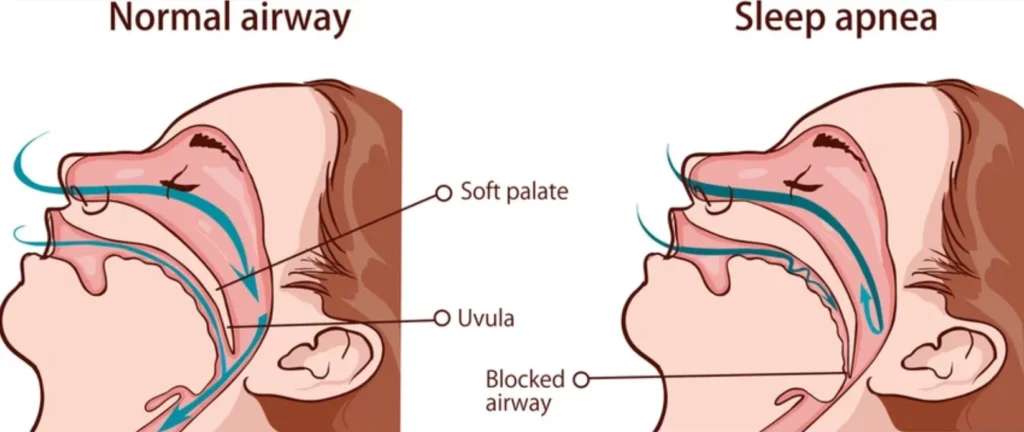
If your partner has started negotiating bedtime like it’s a contract, you’re not alone.
Thesis: An anti snoring mouthpiece can be a practical step for sleep quality, but it works best when you pair it with smart screening and simple sleep-health basics.
Is snoring just noise—or a sleep quality problem?
Snoring isn’t only a volume issue. It can fragment sleep for you, your partner, or both. That’s why snoring shows up in the same conversations as burnout, brain fog, and “why am I tired after eight hours?”
Also, sleep problems don’t always travel alone. Recent clinical guidance has highlighted that insomnia and sleep apnea can show up together. That matters because you can have trouble falling asleep and have breathing-related sleep disruption.
If you want to read more about that broader context, see this New clinical practice guideline recognizes insomnia and sleep apnea can occur together.
What are people trying right now (and why mouthpieces keep coming up)?
Sleep gadgets are trending because they feel actionable. A new app, a new wearable, a new “hack.” The appeal is real, especially after a stretch of late-night scrolling, early meetings, or a red-eye flight that wrecks your rhythm.
Anti-snoring mouthpieces stand out because they’re low-tech and immediate. No charging. No subscription. Just a physical change that may reduce airway collapse or vibration in certain snoring patterns.
Dental sleep therapies are also getting more attention in professional circles. That doesn’t mean every snorer needs a dental device, but it explains why mouthpieces are part of the mainstream sleep-health conversation.
How does an anti snoring mouthpiece work, in plain language?
Most anti-snoring mouthpieces fall into two buckets:
1) Mandibular advancement devices (MADs)
These gently position the lower jaw forward. That can create more space behind the tongue and reduce soft-tissue vibration for some people.
2) Tongue-retaining devices (TRDs)
These hold the tongue forward using gentle suction. They’re sometimes considered when jaw advancement isn’t a good fit.
Either way, the goal is similar: improve airflow and reduce the conditions that make snoring loud and frequent.
How do I know if a mouthpiece is a reasonable next step?
Use a simple “risk first” filter. This protects your health and helps you document that you made a sensible choice.
Green-light signs (often reasonable to try at home)
- Snoring is positional (worse on your back).
- You wake up with a dry mouth but don’t have major daytime sleepiness.
- Your partner reports snoring, but not frequent choking or long pauses.
Pause-and-screen signs (don’t ignore these)
- Gasping, choking, or witnessed breathing pauses.
- High sleepiness while driving or at work.
- Morning headaches, new mood changes, or concentration crashes.
- Snoring that suddenly gets much worse.
If any pause-and-screen signs fit, consider a clinician conversation or a sleep evaluation before relying on self-treatment alone.
What about nasal sprays, strips, and “travel congestion” snoring?
Snoring isn’t always just the mouth and jaw. Nasal congestion can push you into mouth breathing, which can make snoring more likely.
You may have seen headlines about saline nasal spray and sleep-related breathing symptoms in kids. That doesn’t translate into a one-size-fits-all fix for adults. Still, it’s a useful reminder that basic nasal comfort can matter.
If you’re jet-lagged, dehydrated, or sleeping in a dry hotel room, start with the boring stuff: hydration, a consistent wind-down, and addressing congestion. Then evaluate whether a mouthpiece adds benefit.
What safety checks should I do before using a mouthpiece?
This is the unglamorous part, but it prevents problems.
- Jaw health: If you have TMJ pain, jaw clicking with pain, or jaw locking, get guidance first.
- Dental stability: Loose teeth, untreated gum disease, or major dental work in progress can be a reason to pause.
- Fit and comfort: Mild pressure can be normal early on. Sharp pain is not.
- Hygiene: Clean the device daily and let it dry. Replace it when it degrades.
For couples, it can help to agree on a two-week trial plan. Track snoring volume (simple phone recordings work) and how you feel in the morning. That keeps the decision grounded in outcomes, not vibes.
Which type of mouthpiece should I start with?
Most people start with a reputable, adjustable boil-and-bite style MAD because it’s accessible. If you need a more precise fit, or if symptoms suggest sleep apnea, a clinician-guided route may be safer.
If you’re comparing models, start here: anti snoring mouthpiece.
Common questions (quick answers)
Will a mouthpiece fix my sleep if I have insomnia?
It can help snoring-related disruption, but insomnia often needs its own plan. Many people benefit from addressing both sleep habits and breathing-related issues.
Can I use one if I grind my teeth?
Some people do, but it depends on the device and your jaw comfort. Grinding can change fit and wear, so monitor for soreness and tooth sensitivity.
Is it normal to salivate more at first?
Yes, that can happen during the adjustment phase. It often improves as your mouth adapts.
CTA: pick a safer, simpler next step
If snoring is dragging down your sleep quality, start with screening and a realistic trial. Keep notes on symptoms, comfort, and morning energy. That record helps if you later talk to a dentist or sleep clinician.
How do anti-snoring mouthpieces work?
Medical disclaimer: This article is for general education only and isn’t medical advice. Snoring can be a sign of obstructive sleep apnea or other health conditions. If you have choking/gasping, witnessed breathing pauses, significant daytime sleepiness, chest pain, or concerns about your breathing during sleep, seek evaluation from a qualified clinician.