
- Snoring is a sleep quality problem first. Even “funny” snoring jokes can hide real fatigue.
- Gadgets are trending, but basics still win. Position, routine, and airflow matter.
- An anti snoring mouthpiece is a tool, not a miracle. Fit and comfort decide whether you’ll actually use it.
- Small adjustments beat big guesses. Gentle jaw positioning and consistent wear usually work better than cranking settings fast.
- Safety comes before silence. Red flags (gasping, severe sleepiness) deserve a clinician, not another checkout cart.
The big picture: why snoring is getting so much attention
Snoring has moved from “annoying habit” to “sleep health headline.” People are tracking sleep on watches, testing viral nose gadgets, and swapping travel recovery tips like they’re training for a marathon. It makes sense. When sleep slips, everything feels harder.
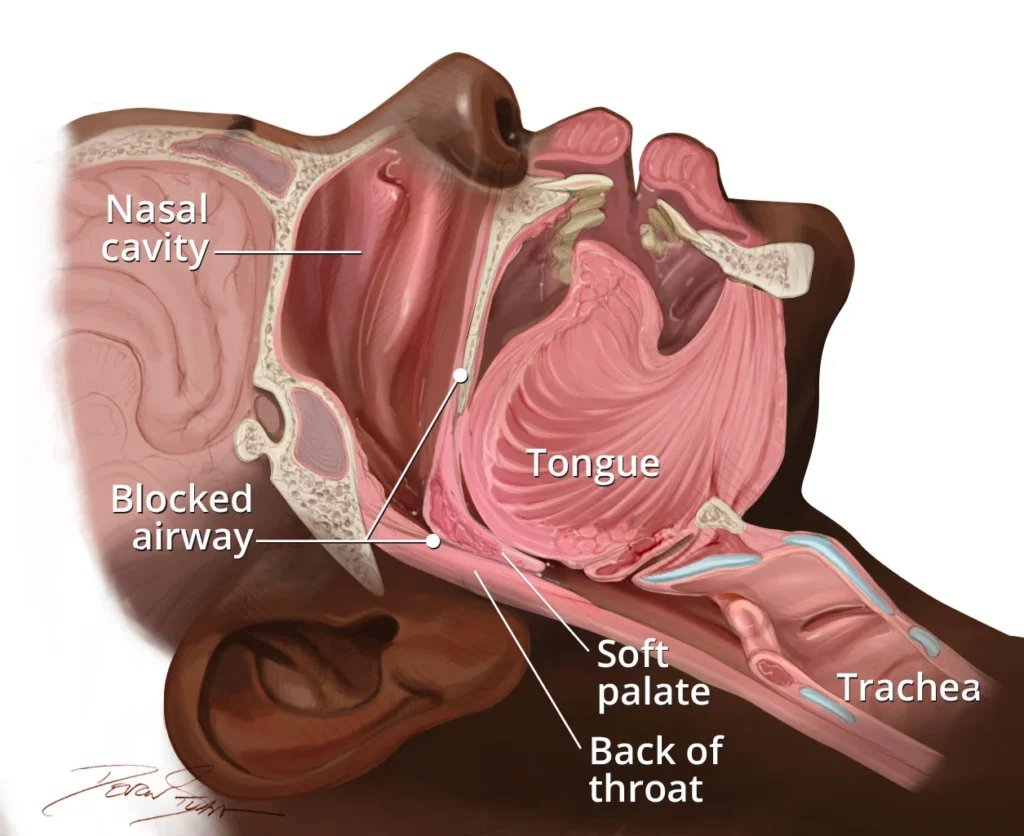
There’s also more mainstream talk about dental involvement in sleep-disordered breathing. You’ll see conferences, journal updates, and expert interviews highlighting how airway and oral anatomy can influence sleep, including in kids. That broader conversation has pushed mouthpieces into the spotlight.
If you want a general read on what’s being discussed in the dental sleep space, see this Advances in Diagnosis and Treatment of Sleep Apnea and Snoring – 31st Annual.
The emotional side: bed partners, burnout, and “vacation tired”
Snoring isn’t only about airflow. It’s also about the 2 a.m. elbow nudge, the guest-room migration, and the next-day fog. Couples often turn it into humor because that’s easier than admitting it’s stressful.
Workplace burnout adds fuel. When your nervous system is already running hot, fragmented sleep hits harder. Then travel fatigue shows up and makes snoring worse: dry hotel air, odd pillows, late meals, and a little extra alcohol can all stack the deck.
That’s why “quick fixes” sell. People want relief now, not a long project. The goal is to choose a tool you can tolerate and a routine you can repeat.
Practical steps: where an anti-snoring mouthpiece fits (and how to use it well)
Step 1: sanity-check the likely snoring pattern
Snoring often comes from vibration in the throat when tissues relax during sleep. Nasal blockage can contribute too, since mouth-breathing changes airflow and jaw position. You don’t need to perfectly diagnose yourself, but you do want to notice patterns.
- Mostly on your back? Positioning may be a big lever.
- Worse with congestion? Nasal support might help alongside other tools.
- Worse after late meals or alcohol? Timing changes can be surprisingly powerful.
Step 2: understand the “ICI” basics (fit, comfort, follow-through)
Most mouthpieces fail for boring reasons: they feel bulky, they trigger gagging, or they’re annoying to clean. Keep it simple with ICI:
- Immediate comfort: Can you wear it for 30–60 minutes while winding down without hating it?
- Correct positioning: The point is gentle, stable alignment that reduces vibration. More force is not automatically better.
- Incentive to stick with it: If it’s miserable, you’ll quit. Choose the option you’ll actually use.
Step 3: start conservative with jaw positioning
If your mouthpiece advances the jaw, think “small steps.” A mild forward position can be enough for many snorers. Jumping straight to aggressive settings can cause jaw soreness and make the device end up in your nightstand.
Track two things for a week: snoring feedback (from a partner or an app) and how your jaw feels in the morning. Adjust only one variable at a time.
Step 4: pair the mouthpiece with one low-effort sleep upgrade
Stacking five new habits at once usually backfires. Pick one:
- Side-sleep cue: A body pillow or backpack-style trick to reduce back-sleeping.
- Nasal support: Some people like strips or dilators for nighttime breathing, especially during congestion seasons.
- Cut the “late heavy” pattern: Earlier dinner or lighter late snacks can reduce nighttime disruption for some.
Step 5: make cleanup stupid-easy
Consistency depends on convenience. Rinse after use, brush gently with mild soap, and let it air-dry. Avoid harsh cleaners unless the manufacturer recommends them. If you travel, pack a ventilated case so it doesn’t get gross in your toiletry bag.
Safety and testing: what to watch for before you “tough it out”
When snoring might be more than snoring
Some headlines focus on advances in diagnosing and treating sleep apnea and snoring, which is a good reminder: loud snoring can overlap with obstructive sleep apnea. A mouthpiece may still be part of the conversation, but it shouldn’t be your only step if symptoms suggest apnea.
- Choking, gasping, or witnessed breathing pauses
- Severe daytime sleepiness or morning headaches
- High blood pressure concerns or heart risk factors
- Snoring plus significant mood, memory, or concentration issues
If any of these fit, consider a medical evaluation or a sleep study discussion. You’ll get better answers than trial-and-error shopping.
Common mouthpiece friction points (and what to do)
- Jaw soreness: Back off advancement, take a break, and reassess fit. Persistent pain needs professional input.
- Tooth sensitivity: Ensure even contact and stop if symptoms escalate.
- Dry mouth: Check nasal breathing support and hydration. Mouth-breathing often drives dryness.
Medical disclaimer: This article is educational and not medical advice. It does not diagnose or treat any condition. If you suspect sleep apnea or have persistent symptoms, talk with a qualified clinician or dental sleep professional.
FAQ: quick answers people want right now
Do anti-snoring mouthpieces work for everyone?
No. They can help many cases of simple snoring, but they aren’t universal. Underlying sleep apnea or significant nasal obstruction may require different care.
How fast should a mouthpiece reduce snoring?
Some people notice a change quickly, but comfort and fine-tuning often take a couple of weeks. Consistent wear matters more than constant tweaking.
Can a mouthpiece make jaw soreness worse?
Yes, especially if the jaw is pushed too far forward. Start gently and stop if pain persists.
What’s the difference between nasal strips and mouthpieces?
Nasal devices focus on airflow through the nose. Mouthpieces usually aim to stabilize the jaw or tongue position to reduce throat vibration.
Is loud snoring always a sign of sleep apnea?
No, but it can be. If you have pauses in breathing, gasping, or major daytime sleepiness, get checked.
CTA: pick a mouthpiece you’ll actually use
If you’re comparing options, start with comfort, adjustability, and a cleaning routine you can stick to. Explore anti snoring mouthpiece and choose the simplest setup that fits your nights.