
Before you try an anti snoring mouthpiece, run this quick checklist:
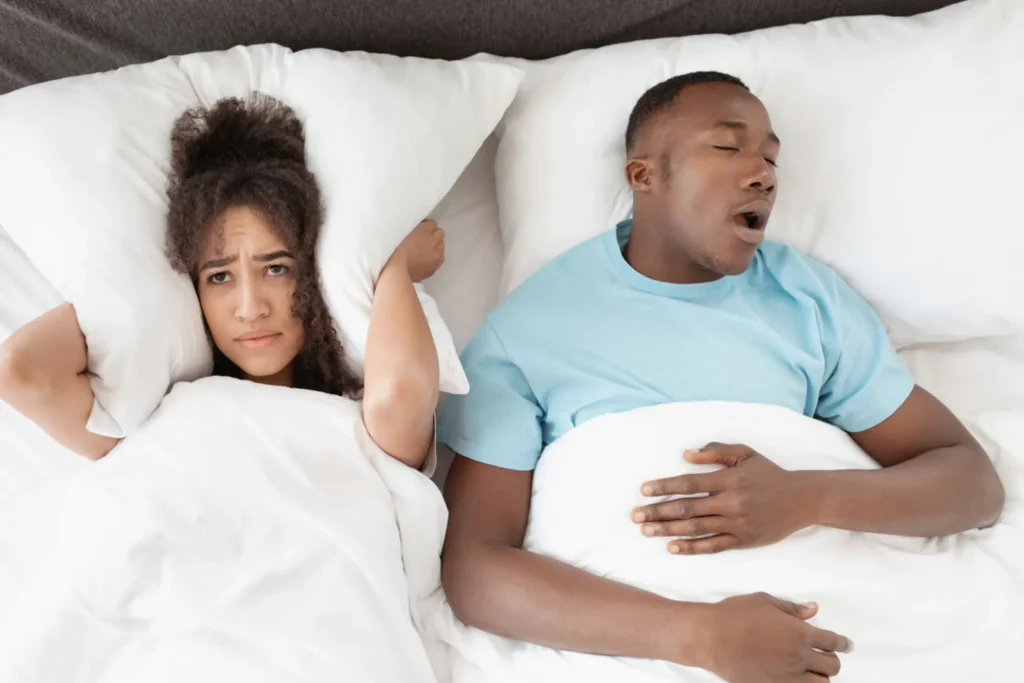
- Confirm the problem: is it simple snoring, or are there pauses, gasps, or heavy daytime sleepiness?
- Pick one variable to test: mouthpiece or a routine change—don’t change five things at once.
- Set a 7-night trial: track snoring volume (partner feedback or an app) and next-day energy.
- Budget guardrail: avoid stacking gadgets until you know what actually moves the needle.
Big picture: why snoring is suddenly everyone’s topic
Sleep has become a mini industry. People are comparing rings, smart alarms, and “sleep scores” like they compare steps. At the same time, headlines keep circling back to snoring and sleep apnea—because poor sleep shows up everywhere: mood, focus, workouts, and even relationship patience.
Add travel fatigue and irregular schedules, and snoring becomes a bigger deal. One red-eye flight can turn a light snorer into the loud roommate nobody volunteered for.
The human side: partners, jokes, and the real cost of bad sleep
Snoring is often played for laughs. It’s the classic “who’s sleeping on the couch?” bit. The joke gets old when one person is awake at 2:00 a.m. and the other wakes up feeling like they ran a marathon.
Workplace burnout makes this worse. When you’re already running on fumes, fragmented sleep hits harder. That’s why people look for at-home fixes that don’t require a full lifestyle overhaul.
Practical steps: a no-waste way to test what helps
1) Start with the simplest question: what’s your snoring pattern?
Snoring that’s mostly on your back points to positioning and airway mechanics. Snoring that happens in any position, plus morning headaches or major daytime sleepiness, deserves more caution.
If you suspect apnea, get informed first. This overview is a useful starting point: 31st Annual Advances in Diagnosis and Treatment of Sleep Apnea and Snoring.
2) Decide if a mouthpiece is a reasonable first test
An anti snoring mouthpiece is popular because it’s a single change you can test at home. It’s also “low friction” compared with rebuilding your entire bedtime routine.
Budget tip: don’t buy three devices at once. Pick one option, test it for a week, then decide. If you want a starting point to compare styles and features, see anti snoring mouthpiece.
3) Run a 7-night experiment (and keep it boring)
The goal is a clean test. Keep bedtime and alcohol intake as consistent as you can. Use the same pillow. If you track with an app, use the same settings each night.
- Night 1–2: focus on comfort and getting used to it.
- Night 3–5: track snoring changes and morning jaw comfort.
- Night 6–7: decide if the trend is real or just random.
Relationship tip: ask for a simple rating scale from your partner (0–10 snoring annoyance). Keep it light. This is data, not a debate.
4) Support the test with two “free” upgrades
You don’t need a drawer full of sleep gadgets to improve sleep quality. Two basics often help:
- Side-sleep bias: even a small change in position can reduce snoring for some people.
- Nasal comfort: address temporary congestion so you’re not forced into mouth-breathing all night.
Safety and reality checks: when to stop guessing
Know the red flags
Snoring plus choking/gasping, witnessed breathing pauses, significant daytime sleepiness, or high blood pressure history should push you toward medical evaluation. Mouthpieces can help some snorers, but they don’t replace screening for sleep apnea.
Watch for jaw or tooth issues
Some discomfort can happen early on. Persistent jaw pain, tooth soreness, or bite changes are not “powering through” problems. Stop and reassess fit, and consider professional guidance if symptoms don’t resolve.
Don’t confuse sleep trends with sleep health
Longevity “sleep rules” and viral hacks can be motivating, but they can also create pressure. If your sleep gets worse because you’re anxious about optimizing it, that’s a sign to simplify. Focus on what improves how you feel and function.
FAQ
Is an anti snoring mouthpiece the same as a night guard?
No. A night guard is typically designed to protect teeth from grinding. Anti-snoring devices are designed to support airflow and reduce snoring triggers.
What if snoring improves but I still feel exhausted?
That can happen. Sleep quality can be disrupted by many factors, including apnea, insomnia, stress, or schedule issues. Consider medical screening if fatigue is persistent.
Can I use a mouthpiece if I have dental work?
It depends. If you have crowns, braces, implants, or TMJ issues, talk with a dental professional before using an oral device.
CTA: make one smart move tonight
If you want a practical, at-home step that’s easy to test, start by learning the mechanism and what to expect. Then commit to a short trial instead of impulse-buying every new sleep gadget.
How do anti-snoring mouthpieces work?
Medical disclaimer: This article is for general education only and is not medical advice. Snoring can be a symptom of obstructive sleep apnea or other health conditions. If you have breathing pauses, choking/gasping, chest pain, severe daytime sleepiness, or persistent symptoms, seek evaluation from a qualified clinician.