
Is your snoring getting louder, or is your sleep getting lighter?
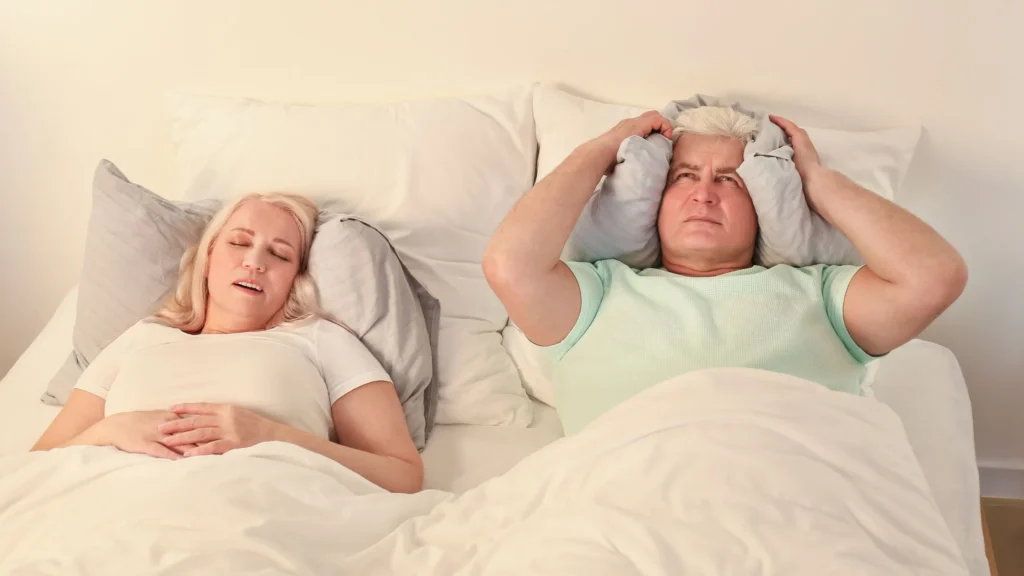
Are you seeing more “sleep gadgets” everywhere and wondering what actually works?
Could an anti snoring mouthpiece help—or is this something you should screen with a clinician first?
Those are the right questions. Snoring has moved from a “funny relationship problem” to a real sleep-health conversation. You see it in wellness trends, travel fatigue talk, and workplace burnout posts where people admit they’re running on fumes.
This guide answers the common questions people are asking right now. It also keeps safety front and center, so you don’t waste money or miss a bigger issue.
Is snoring just annoying, or a sign of something bigger?
Snoring can be harmless. It can also be a clue that airflow is getting restricted during sleep. The tricky part is that the sound alone doesn’t tell you which one it is.
If you’re unsure, start with a quick reality check. Here’s a helpful read framed the way many people search it: TAP Sleep Care Groundbreaking Dual Therapy: Mouth Shield +.
Screening matters (even if you’re shopping for a gadget)
Some headlines lately have highlighted sleep apnea symptoms and how they can show up differently in different people. You don’t need to self-diagnose, but you should know the red flags.
Consider screening sooner if you notice any of these:
- Breathing pauses witnessed by a partner
- Choking or gasping during sleep
- Strong daytime sleepiness or morning headaches
- High blood pressure or heart risk factors
- Snoring that persists no matter what you try
If those are in the picture, a mouthpiece may still be part of the solution, but it shouldn’t be the only step.
Why is everyone suddenly talking about anti-snoring devices?
Sleep has become a status symbol and a survival tool. People track it, score it, and compare it after red-eye flights. Couples joke about “sleep divorces” (separate rooms) because one person’s snoring wrecks both schedules.
At the same time, the anti-snoring device market keeps expanding. Reports and product announcements point to more competition, more designs, and more “dual-therapy” concepts that combine approaches. The upside is choice. The downside is confusion.
So instead of chasing hype, focus on fit, comfort, and whether your snoring pattern matches what a mouthpiece is designed to address.
How does an anti snoring mouthpiece work, in plain English?
Most anti-snoring mouthpieces aim to keep your airway more open by changing what your jaw or tongue does during sleep.
The two common styles you’ll see
- Mandibular advancement devices (MADs): These gently position the lower jaw forward. That can reduce airway collapse for some people.
- Tongue-retaining devices (TRDs): These help keep the tongue from falling back and narrowing airflow.
Neither option is “magic.” Think of them like adjusting a door that keeps sticking. If the problem is the hinge, the fix helps. If the frame is warped, you need a different plan.
Who is a good candidate for a mouthpiece—and who should pause?
A mouthpiece is often considered when snoring seems position-related (like worse on your back) or when jaw/tongue position is likely contributing. It’s also popular for people who want a non-surgical, travel-friendly option.
Pause and get advice first if you have:
- Possible sleep apnea symptoms (especially choking/gasping or breathing pauses)
- Significant jaw pain, TMJ disorders, or frequent jaw locking
- Loose teeth, major dental work in progress, or gum disease
- Ongoing nasal obstruction that forces mouth breathing
This is the safety piece many shoppers skip. It reduces the risk of making jaw issues worse and helps you document a reasonable, stepwise approach if you later need clinical care.
What should you look for before buying one?
Sleep products are trending, and the marketing can be loud. Use a simple checklist instead.
A practical buying checklist
- Comfort: If it’s bulky, you won’t wear it consistently.
- Fit approach: Follow the brand’s fitting method closely. Poor fit is a common failure point.
- Materials and cleaning: You want something easy to clean daily. That lowers odor and irritation risk.
- Return policy: Your mouth is not a “one-size-fits-all” situation.
- Clear instructions: Look for guidance on adjustment, wear time, and when to stop.
If you’re comparing choices, start here: anti snoring mouthpiece.
What else improves sleep quality while you test a mouthpiece?
Snoring rarely lives alone. It often shows up with travel fatigue, late-night scrolling, alcohol close to bedtime, or congestion during allergy season.
Small changes that pair well with a mouthpiece
- Side-sleeping support: A pillow or positional tweak can reduce back-sleep snoring.
- Nasal comfort: If you’re congested, address dryness or allergies in a safe way that works for you.
- Wind-down routine: Even 20 minutes helps when burnout has your nervous system stuck “on.”
- Track outcomes simply: Note snoring volume (partner feedback), morning energy, and nighttime awakenings.
You may also see headlines linking nutrients (like vitamin D) to snoring. Treat that as a prompt to review overall health habits and ask your clinician if testing makes sense for you. Don’t assume supplements are a snoring cure.
How do you use a mouthpiece safely (and avoid common mistakes)?
Safety is mostly about consistency and listening to your body.
Do this
- Clean it daily and let it dry fully.
- Start with shorter wear times if you’re prone to gagging.
- Stop if you get sharp pain, numbness, or worsening jaw symptoms.
- Reassess after 2–3 weeks with real signals: sleep quality, partner reports, and daytime alertness.
Avoid this
- Forcing a painful fit “to make it work.”
- Ignoring persistent morning jaw soreness.
- Assuming loud snoring can’t be sleep apnea.
Medical disclaimer: This article is for general education and is not medical advice. It does not diagnose, treat, or replace care from a qualified clinician. If you suspect sleep apnea or have significant symptoms, seek medical evaluation.
FAQs
Can an anti snoring mouthpiece help everyone?
No. It may help some people who snore due to jaw or tongue position, but it won’t fix every cause of snoring.
How do I know if it might be sleep apnea instead of simple snoring?
Red flags include choking/gasping, witnessed breathing pauses, severe daytime sleepiness, or high blood pressure. If those show up, get screened.
Are anti-snoring mouthpieces safe to use?
Many people tolerate them, but they can cause jaw soreness, tooth discomfort, or bite changes. Stop if pain persists and consider dental guidance.
How long does it take to notice results?
Some people notice changes in the first few nights. Others need a week or two to adjust and fine-tune fit and sleep position.
What if my partner says I still snore with a mouthpiece?
Re-check fit, sleep position, and nasal congestion. If loud snoring continues, consider a medical evaluation to rule out sleep apnea.
Ready to get a clearer answer (not just another gadget)?
If your goal is quieter nights and better recovery, start with screening for red flags, then choose a mouthpiece you can actually wear. Consistency beats novelty.