
Before you try another “miracle” sleep gadget, run this quick checklist:
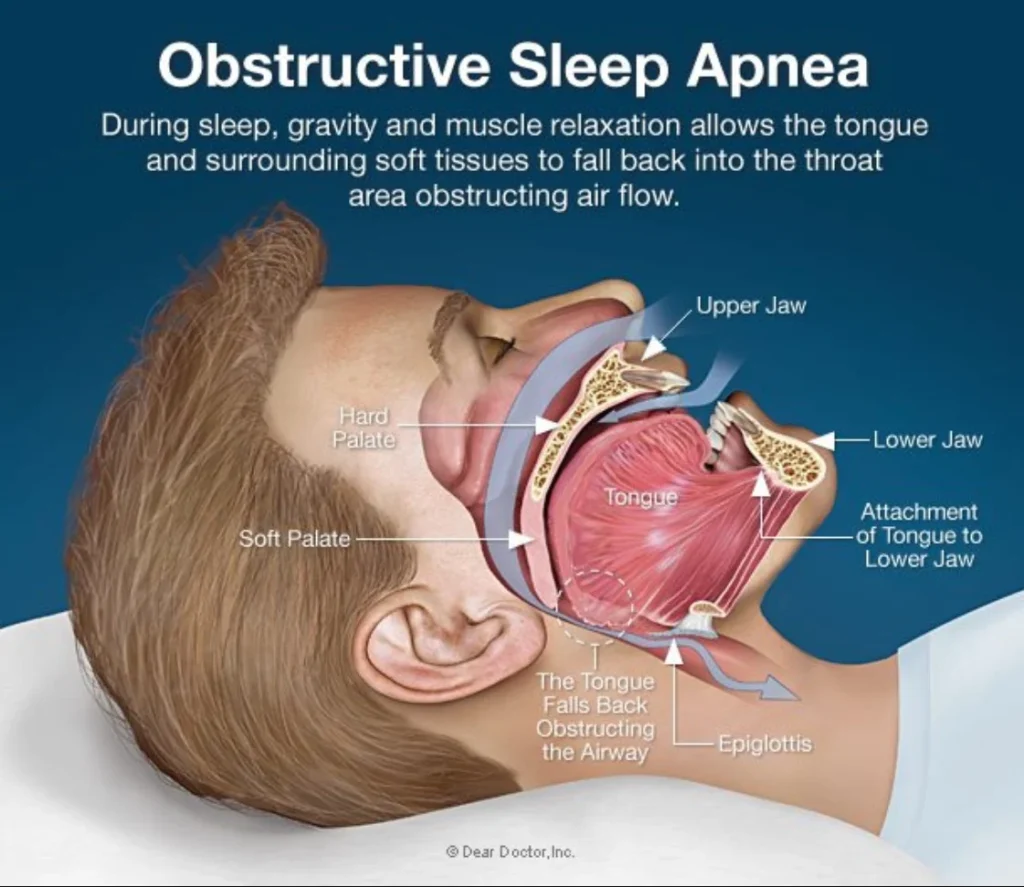
- Confirm the problem: Is it snoring, poor sleep quality, or both?
- Spot the red flags: choking/gasping, breathing pauses, morning headaches, extreme daytime sleepiness.
- Skip risky trends: don’t copy viral hacks if you’re not sure what’s causing the noise.
- Pick one change for 7 nights: otherwise you’ll waste a week and learn nothing.
Snoring is having a cultural moment. Sleep trackers, “sleepmaxxing,” and travel fatigue are everywhere. So is workplace burnout. Add relationship humor about “the human chainsaw,” and you get a lot of urgency with very little clarity. Let’s fix that with a practical, budget-minded plan.
Is my snoring just annoying, or is it a sleep health issue?
Snoring can be a simple vibration problem. It can also be a sign that airflow is getting restricted during sleep. That’s why it shows up in broader conversations about long-term health and nighttime habits.
Recent health coverage has also pushed a bigger point: what you do at night can matter even when you feel “healthy.” If you want the general context people are reacting to, see this related coverage: Doctor reveals ‘1 mistake at night’ that increases heart attack risk in 20s and 30s even if you are healthy | Health.
Bottom line: If snoring comes with breathing pauses, gasping, or crushing daytime fatigue, treat it as a medical conversation, not a “buy another gadget” problem.
Fast self-check: what your week looks like
- Travel fatigue: hotel pillows, dry air, and alcohol can spike snoring.
- Burnout sleep: late nights + early alarms can make everything feel worse, including snoring.
- Relationship impact: if your partner is sleeping in another room, your sleep health is already taking a hit.
What actually causes snoring most nights?
Snoring usually happens when airflow gets turbulent and soft tissues vibrate. Common contributors include sleeping on your back, nasal congestion, alcohol close to bedtime, and anatomy that makes the airway narrower during sleep.
One more important bucket: sleep apnea. It’s often discussed alongside snoring because the two can overlap. Not everyone who snores has sleep apnea, but the combination of loud snoring and breathing interruptions is a reason to get checked.
Where does an anti snoring mouthpiece fit in—practically?
An anti snoring mouthpiece is a mechanical solution. It aims to improve airflow by changing jaw or tongue position during sleep. That’s why it can be a good “at-home first step” when your snoring seems positional or mouth-related.
Think of it like adjusting a door that sticks. You’re not rebuilding the house. You’re changing alignment so air moves with less resistance.
Who tends to get the most value
- People whose snoring is worse on their back.
- People who wake with a dry mouth (often mouth-breathing).
- Couples who want a lower-cost trial before more involved options.
Who should pause and consider medical input first
- Anyone with suspected sleep apnea symptoms (gasping, pauses, severe sleepiness).
- People with significant jaw pain, TMJ issues, or major dental concerns.
- Kids and teens (snoring in children deserves clinician guidance).
What about mouth taping and other viral sleep trends?
Mouth taping gets attention because it feels like a simple “hack.” Parents, especially, are asking whether it’s safe. The bigger issue is that a trend can hide the real question: why is someone mouth-breathing at night?
If nasal breathing is limited, taping can be a bad idea. If sleep apnea is on the table, DIY approaches can delay proper evaluation. Use caution, and don’t treat social media as a sleep clinic.
How do I test an anti-snoring setup at home without wasting money?
Run a 7-night experiment. Keep it boring on purpose. That’s how you learn what works.
- Pick one primary tool: a mouthpiece (not a mouthpiece + tape + new pillow + supplements).
- Track two outcomes: partner-reported snoring volume and your morning energy.
- Control the obvious triggers: avoid alcohol close to bedtime for the test week if you can.
- Keep your sleep window steady: burnout sleep schedules create noisy data.
If you want a combined approach that targets mouth positioning and jaw support, consider this product option: anti snoring mouthpiece.
What results should I expect—and what counts as a “fail”?
A win: snoring drops enough that sleep stops getting fragmented. That can mean fewer wake-ups, fewer nudges from your partner, and better mornings.
A fail: snoring stays loud, you can’t tolerate the fit, or symptoms suggest sleep apnea. In that case, don’t keep buying gadgets. Move to evaluation and targeted treatment.
Common questions people ask right now (and quick answers)
- “Why did my snoring get worse this year?” Stress, weight changes, alcohol timing, travel, and nasal issues can all stack up.
- “Can a wearable tell me what’s wrong?” Trackers can flag patterns, but they can’t diagnose airway disorders.
- “Is it normal to joke about it?” Sure. But if it’s harming sleep quality, treat it like a fixable health habit.
FAQs
Do anti-snoring mouthpieces work for everyone?
No. They often help when snoring is related to jaw or tongue position, but they won’t fix every cause of snoring.
Is snoring always a sign of sleep apnea?
No, but loud, frequent snoring plus choking/gasping, pauses in breathing, or heavy daytime sleepiness should be evaluated for sleep apnea.
Can mouth taping replace a mouthpiece?
It’s a social-media trend, but it’s not a substitute for treating airway issues. If you have nasal blockage or possible sleep apnea, avoid DIY trends and get medical guidance.
How fast should I notice results with a mouthpiece?
Many people can tell within a few nights if snoring volume drops. Comfort and fit can take longer to dial in.
What if my partner says I still snore with a mouthpiece?
Re-check fit, sleep position, and alcohol timing. If snoring stays loud or you have apnea symptoms, consider a sleep evaluation.
Next step: get a clear answer fast
If your goal is better sleep without burning a month on random purchases, start with one controlled change and measure it. A mouthpiece is often the simplest place to begin.
How do anti-snoring mouthpieces work?
Medical disclaimer: This article is for general education only and is not medical advice. Snoring can be a sign of obstructive sleep apnea or other conditions. If you have breathing pauses, gasping, chest pain, severe daytime sleepiness, or concerns about a child’s snoring, seek evaluation from a qualified clinician.