
- Snoring is a sleep-quality problem, not just a noise problem.
- An anti snoring mouthpiece can help when snoring is linked to airway narrowing during sleep.
- Not all “anti-snore” gadgets are equal; comfort, fit, and your symptoms decide what’s worth trying.
- Red flags matter: gasping, choking, or extreme daytime sleepiness should push you toward a medical conversation.
- Small habits stack: sleep position, alcohol timing, congestion control, and travel recovery can change your nights.
Snoring has a way of turning into a household storyline. One person is “just tired,” the other is “just trying to sleep,” and suddenly you’re negotiating pillows like it’s a workplace benefits package. Add travel fatigue, burnout, and a nightstand full of sleep gadgets, and it’s no surprise people are asking sharper questions about what actually improves sleep.
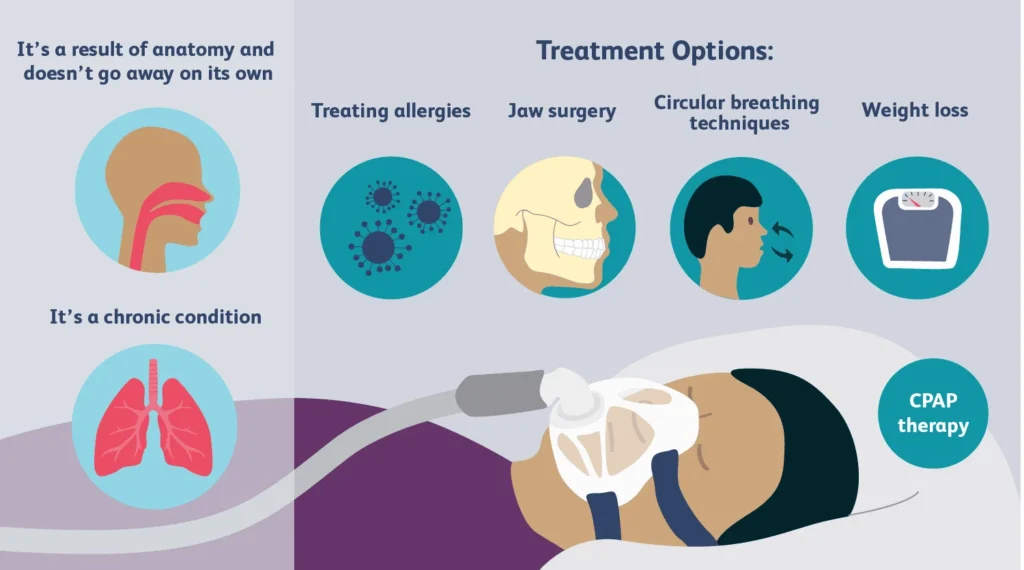
Below are the common questions people keep circling back to—especially as more articles discuss the line between everyday snoring and symptoms that look more like obstructive sleep apnea (OSA).
Is my snoring just annoying, or is it messing with my sleep quality?
Snoring can be the first domino. Even if you don’t fully wake up, noisy breathing and partial airway narrowing can fragment sleep. That often shows up the next day as brain fog, low patience, or that “I slept, but I’m not restored” feeling.
Quick signs your sleep may be taking a hit
- Waking with a dry mouth or sore throat
- Morning headaches
- Needing caffeine to feel human
- Dozing off easily (meetings, commuting, streaming)
- Partner reports loud snoring or breathing changes
Snoring also affects the other person in the room. Relationship humor about “sleep divorce” lands because it’s real: separate rooms can protect sleep, but many couples would rather fix the root cause.
How can I tell if it’s snoring or sleep apnea?
You can’t confirm sleep apnea from a vibe, an app, or a partner’s impression. Still, certain patterns should raise your urgency. If you suspect apnea, it’s worth reading up and talking with a clinician about screening or a sleep study.
For a general explainer tied to current coverage, see What I Wish I Knew: How Much OSA Symptoms Would Affect My Sleep and Daily Life.
Common red flags to take seriously
- Witnessed pauses in breathing
- Choking or gasping during sleep
- High daytime sleepiness (especially if it’s new)
- Waking often to urinate
- High blood pressure history (or rising readings)
Many personal stories about OSA share the same theme: people wish they had connected the dots earlier between night symptoms and daytime life. If that sounds familiar, don’t white-knuckle it.
What does an anti snoring mouthpiece actually do?
Most anti-snoring mouthpieces aim to keep the airway more open while you sleep. The common approach is gently positioning the lower jaw forward to reduce airway collapse and vibration.
Why this can improve sleep health (when it’s a fit)
- Less vibration can mean less noise and fewer micro-arousals.
- Better airflow can support deeper, steadier sleep.
- Partners often benefit too, which helps the whole household recover.
That said, a mouthpiece isn’t a universal fix. If your snoring is driven mostly by nasal blockage, alcohol close to bedtime, or sleeping flat on your back, you may need a combined plan.
Which anti-snore device should I try first: mouthpiece, strap, or something else?
Headlines bounce between chin straps, belts, mouthguards, and “doctor-picked” device lists. The best starting point depends on what’s causing your snoring and what you’ll actually use consistently.
A practical way to choose (without buying a drawer of gadgets)
- If snoring is worse on your back: consider positional strategies first, then add a mouthpiece if needed.
- If your jaw drops open: some people look at chin support, but comfort varies a lot.
- If you suspect airway narrowing behind the tongue: a mouthpiece is often the most direct tool to test.
- If you have apnea red flags: prioritize medical screening over experimentation.
If you’re specifically comparing mouthpiece styles and want a focused starting point, browse anti snoring mouthpiece and narrow it down by comfort, adjustability, and fit approach.
What should I expect the first week with a mouthpiece?
Think of it like breaking in new shoes, but for your bite. The first few nights can include extra saliva, mild jaw stiffness, or a “this feels weird” phase. That’s common.
When to stop and reassess
- Jaw pain that builds instead of fading
- Tooth pain, gum irritation, or new headaches
- Jaw locking or clicking that feels worse
- No improvement plus ongoing daytime sleepiness
Sleep health is the goal, not just a quieter room. If you’re still dragging through the day, treat that as useful data.
What else helps sleep quality when life is loud (travel, burnout, and late-night scrolling)?
Snoring solutions work better when your baseline sleep is protected. That matters right now because many people are juggling travel recovery, long workdays, and “one more episode” nights.
Small moves that often pay off
- Alcohol timing: earlier is usually better for snoring and sleep depth.
- Nasal comfort: manage congestion so you’re not forced into mouth breathing.
- Schedule consistency: even a 30–60 minute window helps after trips.
- Side-sleep support: pillows or positioning can reduce back-sleep snoring.
- Wind-down boundaries: dim lights and fewer alerts reduce “wired but tired.”
None of this needs to be perfect. You’re building a system that makes good sleep easier to repeat.
FAQs
Can an anti snoring mouthpiece help right away?
Some people notice less snoring within a few nights, but comfort and fit often take a short adjustment period. If symptoms persist or worsen, consider a medical check for sleep apnea.
What’s the difference between snoring and sleep apnea?
Snoring is sound from vibration in the airway. Sleep apnea involves repeated breathing interruptions and often comes with choking/gasping, daytime sleepiness, or witnessed pauses in breathing.
Are mouthpieces safe for everyone?
Not always. People with significant jaw pain, untreated dental issues, or certain bite problems may need dental guidance. Stop use if you develop jaw locking, tooth pain, or headaches.
Do anti-snore devices replace CPAP?
They are not a direct substitute for CPAP for diagnosed obstructive sleep apnea. A clinician can confirm whether a mouthpiece is appropriate for your situation.
How do I know if my snoring is affecting sleep quality?
Clues include frequent awakenings, dry mouth, morning headaches, irritability, and daytime fatigue. Partner reports of loud snoring or breathing pauses also matter.
Ready to get quieter nights (and better days)?
If your goal is fewer disruptions and more consistent recovery, a mouthpiece can be a straightforward next step—especially when snoring seems position- or airway-related.
How do anti-snoring mouthpieces work?
Medical disclaimer: This article is for general education only and is not medical advice. Snoring can be a sign of obstructive sleep apnea or other health conditions. If you have choking/gasping, witnessed breathing pauses, significant daytime sleepiness, chest pain, or concerns about your breathing during sleep, seek evaluation from a qualified clinician.