
Is snoring “just annoying,” or is it wrecking your sleep quality?
Are sleep gadgets and viral hacks making it harder to know what’s safe?
Could an anti snoring mouthpiece help you and your partner stop negotiating bedtime?
Snoring sits at the intersection of health, relationships, and stress. One person can’t sleep, the other feels blamed, and everyone wakes up tired. Add travel fatigue, workplace burnout, and a feed full of trending sleep fixes, and it’s easy to feel stuck.
This guide keeps it practical. You’ll learn where mouthpieces fit, how people are using them right now, and how to try one without turning bedtime into a fight.
Overview: Why snoring is trending (again)
Sleep is having a moment. People are buying trackers, trying new routines, and swapping “sleep hacks” like they’re productivity tools. Some trends are harmless. Others can be risky or simply not a fit for your body.
At the same time, dental-style devices are getting more attention. You’ll see more discussion about mandibular advancement designs and how newer options aim for better comfort and adjustability. For a high-level read on the direction of the category, see Is Mouth Taping Safe for Sleep? What Parents Should Know About This TikTok Trend.
One more cultural note: relationship humor about snoring is everywhere for a reason. It’s common. It’s also emotionally loaded. A solution that reduces tension can improve more than sleep.
Timing: When to try a mouthpiece (and when to pause)
Try a mouthpiece when snoring is frequent, your partner reports it’s disruptive, or you notice worse sleep after alcohol, congestion, or exhausting travel days. Many people also look for help when burnout hits and sleep feels “fragile.”
Pause and get screened first if you notice red flags
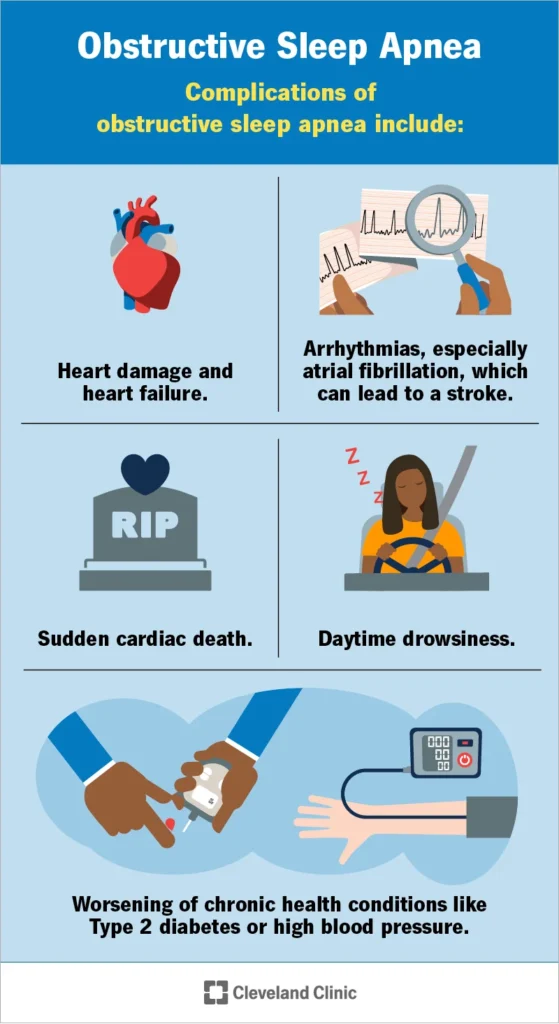
A mouthpiece may not be enough if snoring comes with gasping, choking, breathing pauses, morning headaches, or heavy daytime sleepiness. Those signs can point to sleep apnea. A clinician can help you choose the safest next step.
Also pause if you have ongoing jaw or dental issues
If you have significant TMJ pain, loose teeth, or major dental work in progress, talk with a dental professional before using any device that changes jaw position.
Supplies: What you’ll want on night one
Keep it simple. A smoother start reduces frustration, and that matters when you’re already tired.
- Your mouthpiece (follow its fitting instructions exactly)
- A case for airflow and hygiene
- A gentle cleaner approved for oral devices (avoid harsh chemicals)
- Water and a basic toothbrush routine before use
- A quick tracking note (phone note: bedtime, wake time, how you felt)
If you want an option that pairs jaw positioning with added support, you can review this anti snoring mouthpiece.
Step-by-step (ICI): A calmer way to test an anti snoring mouthpiece
Think of this as an “ICI” plan: Introduce it gently, Calibrate for comfort, and Integrate it into a repeatable routine.
1) Introduce: Take the pressure off the first night
Don’t make night one a pass/fail exam. Wear the mouthpiece for a short period before sleep while winding down. This helps your jaw and brain stop treating it like an emergency.
If you share a bed, set expectations early. A simple script works: “I’m testing something new for snoring. If it’s noisy tonight, we’ll adjust tomorrow.” That one sentence can prevent a midnight argument.
2) Calibrate: Aim for “comfortable enough,” not “maximum change”
More forward positioning is not automatically better. Comfort drives consistency, and consistency is what tells you whether it helps your sleep quality.
- Check fit: it should feel secure without sharp pressure points.
- Notice jaw feel: mild awareness can be normal; sharp pain is not.
- Give it a few nights: your body may need time to adapt.
3) Integrate: Build a routine that survives real life
Snoring often spikes when life gets messy: late work nights, travel, shared hotel rooms, or a cold. Create a “default routine” you can keep even when you’re exhausted.
- Keep the case by your toothbrush so you don’t forget it.
- Clean it the same time you brush at night and in the morning.
- Track outcomes for a week: partner feedback, wake-ups, morning dryness, energy.
If you’re using sleep tech, treat it as a clue—not a verdict. A snore score can be motivating, but how you feel and what your partner hears matters too.
Mistakes that make mouthpieces feel “like they don’t work”
Chasing viral hacks instead of basics
Trends come fast, especially on social platforms. Some people experiment with things like mouth taping because it sounds simple. Safety depends on the person, and it’s not a universal fix. If you’re unsure, ask a clinician before trying anything that affects breathing during sleep.
Expecting instant perfection
A better goal: fewer wake-ups, less partner disruption, and steadier mornings. Small improvements are still meaningful when you’ve been running on fumes.
Ignoring jaw pain or bite changes
Don’t “push through” persistent pain. Discomfort that lingers can signal a fit issue. Stop and get guidance if symptoms continue.
Not addressing the relationship side
Snoring can create resentment fast. Make the problem the problem, not the person. A two-minute check-in in the morning (“How was it?”) beats a 2 a.m. blow-up.
FAQ: Quick answers before you decide
Will a mouthpiece improve sleep quality?
It can if it reduces snoring and sleep disruption. Better sleep quality usually shows up as fewer awakenings and more refreshed mornings.
What if I’m exhausted from travel and snoring is worse?
That’s common. Dry air, alcohol, and irregular schedules can all aggravate snoring. A consistent routine and a comfortable device can help you stay on track during trips.
Is a “one-size” device okay?
Fit matters. Some people do fine with simpler options, while others need more adjustability or professional input to get comfort and results.
CTA: Pick the next step that lowers tension tonight
You don’t need a perfect plan. You need a realistic one you can repeat when you’re tired, stressed, and sharing a bed.
How do anti-snoring mouthpieces work?
Medical disclaimer: This article is for general education and is not medical advice. Snoring can have many causes, including sleep apnea. If you have loud, frequent snoring with gasping, breathing pauses, chest discomfort, or significant daytime sleepiness, seek evaluation from a qualified clinician.