
Q: Is snoring “just annoying,” or is it wrecking your sleep health?
Q: Are anti-snoring mouthpieces actually worth it, or are they another sleep gadget trend?
Q: What can you try tonight that won’t start a fight with your partner?
You’ll get direct answers below. The goal isn’t perfection. It’s quieter nights, better sleep quality, and fewer tense mornings.
What people are talking about right now (and why it matters)
Snoring is having a moment in the spotlight again. You can see it in the steady stream of “best anti-snore device” roundups, consumer-style reports about mouthpieces, and the broader wellness push around sleep optimization.
It’s also cultural. More people are traveling, working odd hours, and running on fumes. Travel fatigue plus workplace burnout turns small sleep problems into big relationship problems fast.
If your partner jokes about your “chainsaw impression,” it’s funny once. After the third bad night, it becomes a negotiation. That’s why simple tools like mouthpieces keep trending.
For a quick snapshot of what experts tend to consider across device types, see this related reference: SleepZee Anti-Snoring Mouthpiece Consumer Report: 2026 Analysis of Mandibular Advancement Device Research, Snoring Reduction Claims, and What Buyers Should Verify.
What matters for sleep health (not just noise)
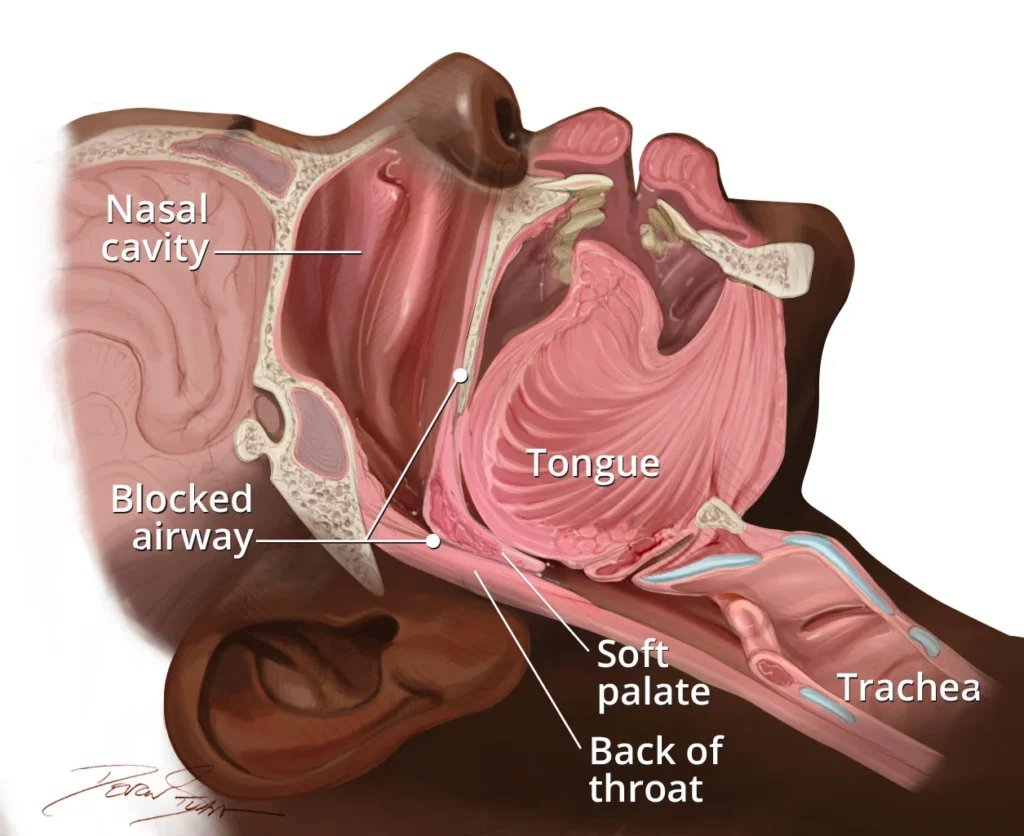
Snoring happens when airflow gets turbulent as you breathe during sleep. The vibration you hear often comes from soft tissues in the throat.
Here’s the key: snoring can be harmless, or it can be a clue that your airway is struggling. Sleep quality suffers either way when it wakes you up, fragments deeper sleep, or triggers stress in the bedroom.
Why stress makes snoring feel worse
When you’re overworked or underslept, you notice everything more. Your partner notices it too. That tension can create a loop: poor sleep → more irritability → more hyper-awareness → even poorer sleep.
Also, many common “wind-down” habits can backfire. Alcohol close to bedtime, heavy late meals, and sedating sleep aids may relax airway muscles and make snoring louder for some people.
Where an anti snoring mouthpiece fits
An anti snoring mouthpiece is usually designed to change the position of your jaw or tongue so the airway stays more open. Many people look at these devices because they’re non-surgical and relatively simple compared to other options.
You’ll see two common categories mentioned:
- Mandibular advancement style: gently positions the lower jaw forward.
- Tongue-retaining style: helps keep the tongue from falling back.
Comfort and fit are the deal-breakers. If it hurts, you won’t use it. If you won’t use it, it won’t help.
How to test your situation at home (simple, not perfect)
You can learn a lot in one week without turning your bedroom into a lab. Keep it practical.
Step 1: Do a quick “pattern check”
- Position: Is snoring worse on your back?
- Timing: Does it spike after late drinks or heavy dinners?
- Nose vs mouth: Do you wake with dry mouth or sore throat?
These clues help you choose the right approach. They also help you talk to a clinician later if you need to.
Step 2: Record two nights (yes, it’s awkward)
Use a phone audio recording or a snoring tracker app for two nights. Don’t obsess over the score. Listen for intensity and frequency changes when you adjust habits.
This also reduces “he said, she said” tension. Data is calmer than arguments at 2 a.m.
Step 3: Try a low-drama setup
If mouth-breathing seems to be part of the issue, some people test a combined approach. One example is an anti snoring mouthpiece, which aims to support jaw position while encouraging nasal breathing.
Give any new device a short adjustment window. Mild soreness can happen early on, but sharp pain, tooth pain, or jaw clicking is a stop sign.
Step 4: Set a “relationship-friendly” rule
Agree on a two-week trial with one change at a time. No piling on five gadgets plus a new pillow plus a strict bedtime. That plan fails by night three.
Pick one target, like back-sleeping or device comfort, and measure it.
When to get help (don’t tough it out)
Snoring plus certain symptoms can signal a bigger sleep-breathing problem. Don’t self-manage forever if any of these show up:
- Breathing pauses, choking, or gasping reported by a partner
- Excessive daytime sleepiness, morning headaches, or brain fog
- High blood pressure or heart risk concerns
- Snoring that suddenly worsens without a clear reason
A clinician can screen for obstructive sleep apnea and discuss options. That may include a custom dental device, CPAP, or other therapies depending on your situation.
FAQ: quick answers you can use tonight
Is snoring always a health problem?
No. But it can still harm sleep quality by disrupting rest for you and your partner. It’s worth addressing when it’s frequent or loud.
What if I can’t tolerate a mouthpiece?
Focus on comfort and fit first. If it’s still a no, talk with a dentist or sleep clinician about alternatives.
Can a mouthpiece replace medical care for sleep apnea?
Not by itself. If apnea is suspected, you need proper evaluation. Some people with diagnosed apnea use specific oral appliances under professional guidance.
Next step: get a clear explanation before you buy
If you’re trying to stop the snore-stress cycle, start with understanding what the device is supposed to do and whether it matches your pattern.
How do anti-snoring mouthpieces work?
Medical disclaimer: This article is for general education only and is not medical advice. It does not diagnose, treat, or replace care from a qualified clinician. If you suspect sleep apnea or have concerning symptoms, seek professional evaluation.