
Before you try an anti snoring mouthpiece, run this quick checklist:
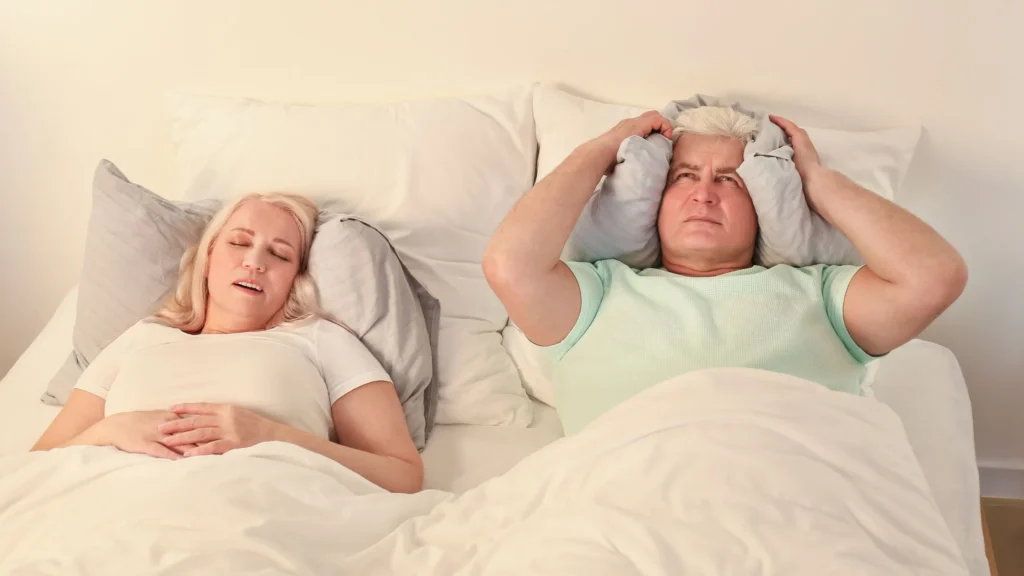
- Pattern check: Is snoring worse on your back, after alcohol, or during allergy season?
- Daytime check: Are you tired, foggy, or irritable even after “enough” hours in bed?
- Partner check: Is the noise the main issue, or are there pauses, gasps, or choking sounds?
- Safety check: Do you have jaw pain, loose teeth, gum disease, or dental work that needs protecting?
- Expectation check: Are you aiming for “less snoring,” “better sleep,” or “rule out something bigger”?
Snoring is having a moment in the culture. Sleep trackers, smart rings, white-noise machines, and “biohacking” routines keep trending. So does the less glamorous reality: travel fatigue, burnout, and couples joking about separate bedrooms. A mouthpiece can be a practical step, but it works best when you treat it like a tool with a setup process—not a magic gadget.
Overview: why snoring and sleep quality are getting more attention
Snoring isn’t just a volume problem. It can fragment sleep for the snorer, the partner, or both. That ripple effect shows up as grogginess, mood swings, and the “why can’t I focus today?” feeling at work.
Recent health coverage has also highlighted that some people miss warning signs of sleep apnea. If you want a deeper read on what to watch for, see this related coverage via 5 Signs Of Sleep Apnea That Most People Miss. Keep it general, but take it seriously if the clues fit your situation.
Timing: when to test a mouthpiece (and when to pause)
Good times to start
- After a week of consistent bedtimes, so you can actually judge the change.
- When you can spare a few nights for adjustment (not the night before a big presentation).
- After travel, once jet lag settles. Travel fatigue can mimic “bad sleep” even without snoring changes.
Times to slow down and get help
- Snoring plus choking, gasping, or witnessed breathing pauses.
- High daytime sleepiness, morning headaches, or waking with a dry mouth repeatedly.
- Jaw locking, sharp tooth pain, or bite changes that persist.
If any of these are in play, a clinician can help you sort out whether snoring is a nuisance issue or a sleep-breathing issue that needs medical evaluation.
Supplies: what you’ll want on night one
- Your mouthpiece and its case
- A mirror and good lighting for fitting checks
- A timer (phone is fine) if the device uses a boil-and-bite step
- A soft toothbrush and mild soap for cleaning
- Optional: nasal strips or saline rinse if congestion is part of your snoring pattern
If you’re comparing products, start with a straightforward list of anti snoring mouthpiece and focus on fit style, comfort, and adjustability.
Step-by-step (ICI): insert, comfort, improve
This ICI routine keeps things simple. You’re aiming for steady progress, not a perfect fit in one night.
I = Insert correctly (set your baseline)
- Wash your hands. Rinse the device with cool or lukewarm water.
- Seat it fully so it feels stable, not perched.
- Close your lips and breathe through your nose for a few calm breaths.
First night tip: treat it like new shoes. Wear it for a short period before sleep if needed, then build up.
C = Comfort first (small adjustments beat big jumps)
- If it advances the lower jaw, adjust gradually. Tiny changes matter.
- Notice pressure points. “Snug” is okay; sharp pain is not.
- Try side-sleeping with a supportive pillow. Positioning can amplify the benefit.
Many people chase the loudest snore night after night, then over-adjust. That can backfire by creating jaw soreness that makes you quit early.
I = Improve with a quick feedback loop (track, don’t guess)
- Use a simple note: bedtime, wake time, how you felt, and whether your partner noticed less noise.
- Watch for sleep quality markers: fewer wake-ups, easier mornings, better focus.
- Re-check fit weekly. Your comfort threshold often changes as you adapt.
If you use a sleep app or wearable, treat it as a trend tool. One “bad score” can be stress, late caffeine, or a rough travel day.
Mistakes that waste a week (and how to avoid them)
1) Expecting instant silence
Snoring often improves in steps. Aim for “less frequent” and “less intense” first. That’s still a win for sleep health.
2) Ignoring nasal congestion
If your nose is blocked, you may mouth-breathe more. That can increase vibration and dryness. Address congestion with safe, basic measures and talk to a clinician if it’s persistent.
3) Over-tightening for speed
More advancement isn’t always better. Comfort drives consistency, and consistency drives results.
4) Skipping cleanup
Quick daily cleaning helps prevent odor and buildup. Store it dry in its case. Replace it when it shows wear.
5) Treating red flags like “normal snoring”
Some symptoms point beyond simple snoring. Sleep apnea is a medical condition, and it deserves proper screening rather than guesswork.
FAQ: quick answers people ask right now
Are mouthpieces part of the new wave of connected sleep care?
Some oral appliances are being studied alongside connected care tools and monitoring. For most people, the practical first step is still a comfortable fit and consistent use.
Will a mouthpiece help with burnout?
It can help if snoring is degrading sleep quality. Burnout has many drivers, so better sleep is supportive, not a cure-all.
Can couples use this to stop “separate bedroom” jokes?
Sometimes, yes. Lower snore volume can reduce resentment fast. Pair it with better sleep habits for the best odds.
CTA: make tonight a real test, not a random try
If you want a straightforward path, start with comfort, positioning, and a simple tracking note for one week. Then adjust based on what you learn.
How do anti-snoring mouthpieces work?
Medical disclaimer: This article is for general education only and isn’t medical advice. Snoring can have multiple causes, including sleep apnea. If you have breathing pauses, gasping, severe daytime sleepiness, chest pain, or persistent jaw/tooth pain, seek medical or dental guidance.