
Before you try anything tonight, run this quick checklist.
- Red flags? Choking/gasping, breathing pauses, heavy daytime sleepiness, or high blood pressure → get screened for sleep apnea.
- Trend vs. tool? If it’s a viral “hack,” ask what could go wrong (skin irritation, anxiety, blocked breathing, infection risk).
- Know your pattern. Snoring after travel, alcohol, or burnout weeks often needs a different plan than nightly snoring.
- Pick one change. Test one intervention for 7–14 nights. Otherwise you won’t know what helped.
- Document it. Note bedtime, position, congestion, and partner feedback. Keep it simple.
Is your snoring “just noise,” or is sleep quality taking a hit?
Snoring is having a moment again. Sleep gadgets are everywhere, and so are jokes about “who gets the couch.” Under the humor, the real issue is sleep quality. Fragmented sleep can show up as irritability, brain fog, and that burned-out feeling that follows you into work.
If your partner nudges you all night, you’re both losing sleep. That matters even if you feel like you can “push through.” Sleep debt stacks fast, especially during travel weeks and high-stress seasons.
Are TikTok sleep trends (like mouth taping) a smart idea?
Some trends spread because they’re simple, not because they’re safe. Mouth taping is one of those ideas people try to “force” nasal breathing. The risk is obvious: if your nose is blocked, you may panic or struggle to breathe.
If you want a general safety overview tied to the trend, read this: Is Mouth Taping Safe for Sleep? What Parents Should Know About This TikTok Trend.
Bottom line: don’t treat a viral hack like a medical solution. If you’re congested, have allergies, or suspect sleep apnea, get guidance first.
What actually causes snoring, and where does a mouthpiece fit?
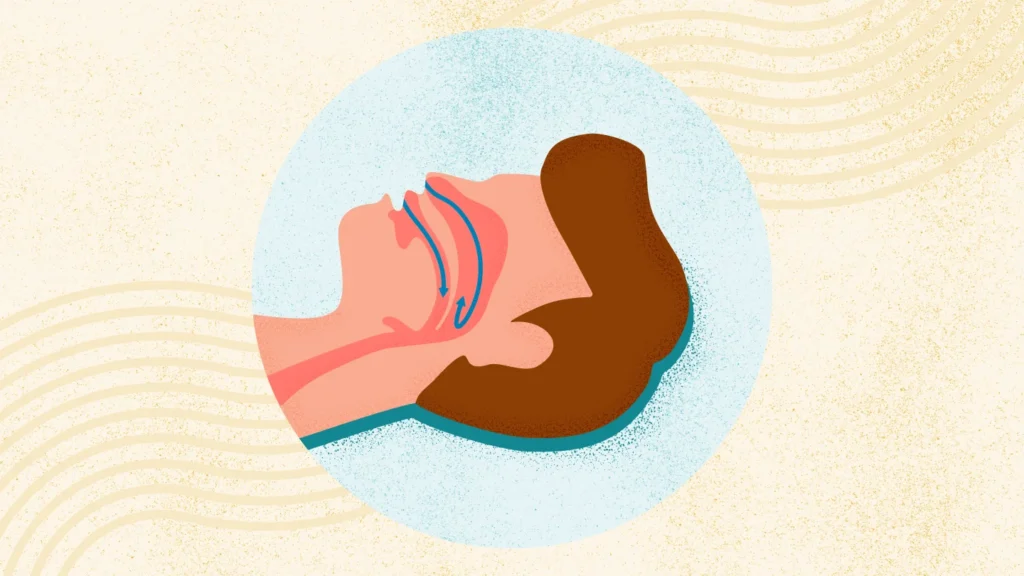
Snoring usually comes from vibration. Air moves through a narrowed airway, soft tissue flutters, and the sound shows up. The narrowing can be worse when you sleep on your back, after alcohol, or when you’re exhausted and your muscles relax more.
An anti snoring mouthpiece is often designed to support the airway by changing jaw or tongue position. Many people look at them because they’re non-surgical and don’t require a machine. That said, the right choice depends on your mouth, your symptoms, and your risk level.
How do you choose an anti snoring mouthpiece without wasting money?
Skip the hype and screen for fit, safety, and realistic expectations. Use this decision filter.
1) Start with safety and screening
- Rule out apnea risk. Loud snoring plus choking, pauses, or severe sleepiness deserves a medical screen.
- Jaw/TMJ history matters. If you have jaw pain, clicking, or frequent headaches, be cautious and consider professional input.
- Dental health matters. Loose teeth, gum disease, or major dental work can change what’s appropriate.
2) Look for a design that matches the problem
Many mouthpieces aim to reduce snoring by gently advancing the lower jaw. Others focus on tongue positioning. If your snoring is mostly from nasal blockage, a mouthpiece may not be the main lever.
Some people also experiment with nasal aids. Research summaries on nasal dilators suggest results can vary by person and situation. Treat them as optional support, not a sure thing.
3) Reduce infection and “gross factor” risks
- Choose a mouthpiece you can clean easily.
- Follow the product’s cleaning instructions. Don’t improvise with harsh chemicals.
- Replace it if it cracks, warps, or starts to smell despite cleaning.
4) Document your choice (yes, really)
If you share a room, snoring becomes a relationship issue fast. A simple note helps: what you bought, when you started, and what changed. It also helps if you later talk to a dentist or sleep clinician.
What if you’re still snoring with CPAP or other gear?
Some people assume CPAP means “problem solved.” Real life is messier. Mask leaks, nasal congestion, pressure settings, and sleep position can all affect noise and sleep quality.
If you use CPAP and snoring continues, don’t stack random gadgets on top. Start with equipment checks and a clinician conversation. You’ll get further with targeted adjustments than with trial-and-error shopping.
What’s a realistic plan for better sleep health this week?
Keep it practical. Pick one primary change and one support habit.
- Primary change: trial a properly fitted anti-snoring mouthpiece (or get screened if you have red flags).
- Support habit: reduce back-sleeping, limit alcohol close to bedtime, and address congestion.
If you want to compare options without getting lost in reviews, start here: anti snoring mouthpiece.
FAQ: quick answers people are asking right now
Do mouthpieces work immediately?
Some people notice changes in a few nights. Others need an adjustment period. Give it 1–2 weeks unless you develop pain or new symptoms.
Will a mouthpiece stop snoring forever?
Snoring can change with weight, stress, alcohol, congestion, and aging. Think of a mouthpiece as a tool, not a lifetime guarantee.
Can I use a mouthpiece if I grind my teeth?
Sometimes, but it depends on the design and your jaw comfort. If you grind hard, talk with a dental professional to avoid worsening jaw issues.
Medical disclaimer: This article is for general education and does not provide medical advice, diagnosis, or treatment. If you suspect sleep apnea or have severe symptoms (gasping, pauses in breathing, chest pain, or extreme daytime sleepiness), seek evaluation from a qualified clinician.