
Before you try another snore fix, run this checklist.
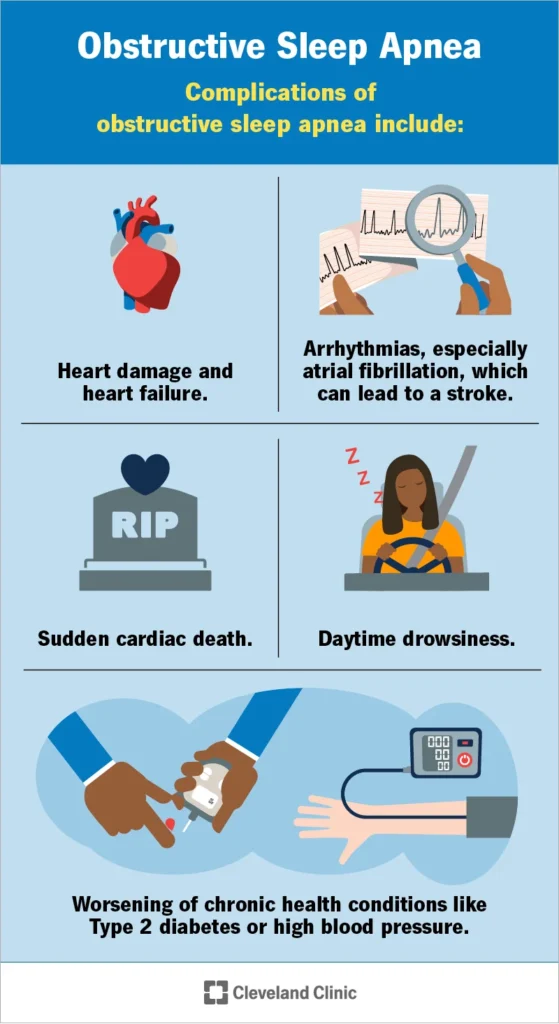
- Safety first: if you suspect sleep apnea, don’t self-treat.
- Pick one tool: stop stacking gadgets that fight each other.
- Prioritize comfort: a device you can’t tolerate won’t help sleep quality.
- Track the basics: noise, wake-ups, dry mouth, and daytime energy.
- Clean it correctly: daily rinse, regular deeper clean, replace when worn.
Snoring is having a cultural moment. People joke about it on couple trips, blame it on travel fatigue, and buy the newest sleep gadget after one rough week of workplace burnout. Meanwhile, headlines keep circling the same point: snoring can be harmless, or it can be a sign you should take sleep health more seriously.
Medical disclaimer: This article is for general education only. It does not diagnose, treat, or replace medical care. If you have symptoms that suggest sleep apnea or another sleep disorder, talk with a qualified clinician.
Is your snoring “normal,” or is it a bigger sleep health issue?
Start with the uncomfortable question. Are you dealing with occasional noise, or poor breathing during sleep?
Red flags to take seriously
If any of these show up often, don’t rely on a gadget alone:
- Pauses in breathing, choking, or gasping
- Morning headaches or feeling unrefreshed most days
- Significant daytime sleepiness or concentration issues
- High blood pressure concerns or new heart-related worries
- Snoring that’s getting louder or more frequent over time
Recent coverage has also highlighted that sleep apnea symptoms can be missed, especially in women and as we age. If your pattern doesn’t match the “classic” stereotype, it still deserves attention.
Why is everyone talking about mouth tape, and where does that leave mouthpieces?
Sleep trends move fast. Mouth tape is one of those ideas that spreads because it sounds simple. The more useful takeaway is not the trend itself. It’s the bigger goal: support steady breathing and fewer awakenings.
If you want a cautious overview of that trend, see this high-authority explainer on Mouth Tape for Sleep: Benefits, Risks, and How to Use It Safely.
An anti snoring mouthpiece is a different category. Instead of sealing lips, it aims to change positioning inside the mouth to reduce airway narrowing. For many snorers, that’s the main issue: the airway gets crowded when muscles relax.
What exactly does an anti snoring mouthpiece change?
Most anti-snore mouthpieces fall into two buckets:
- Mandibular advancement devices (MAD-style): encourage the lower jaw to sit slightly forward.
- Tongue-stabilizing designs: aim to keep the tongue from falling back.
Think of it like packing a suitcase. When everything shifts backward, the zipper strains. A mouthpiece tries to keep the “contents” from sliding into the airway space.
What you should feel (and what you shouldn’t)
- Common at first: extra saliva, mild pressure, awkwardness when falling asleep.
- Not a good sign: sharp jaw pain, tooth pain, or headaches that worsen.
How do you choose a mouthpiece without wasting money?
Skip the hype and choose based on fit, adjustability, and your sleep habits.
Quick-fit questions
- Do you breathe through your nose easily? If not, address congestion and sleep setup first.
- Do you grind or clench? That can affect comfort and durability.
- Are you a side sleeper? Position still matters, even with a device.
- Can you tolerate “forward jaw” pressure? If not, you may need a different approach.
What “adjustable” should mean in practice
Adjustability isn’t a marketing word. It’s your comfort lever. Small changes can reduce snoring while avoiding jaw soreness. If you can’t fine-tune the position, you may quit before you ever get the benefit.
If you’re comparing styles, start here: anti snoring mouthpiece.
What’s the simplest setup for better sleep quality (with or without a mouthpiece)?
Snoring doesn’t happen in a vacuum. Sleep quality drops when your routine is chaotic, your room is bright, or your body clock is wrecked from travel.
Use the “one-change” rule for 7 nights
Don’t overhaul everything at once. Pick one lever and stick with it for a week:
- Travel fatigue reset: consistent wake time, morning light, earlier caffeine cutoff.
- Bedroom basics: cooler room, darker space, fewer late-night notifications.
- Positioning: side sleeping support (pillow placement can help).
- Mouthpiece trial: gradual wear time so your jaw adapts.
This approach also helps couples. It turns “you kept me up” into “we’re testing one variable.” Less drama, more data.
How do you keep a mouthpiece comfortable: ICI (Insert, Comfort, Improve)
Use this simple technique so you don’t abandon the device after two nights.
Insert
Place it the same way every time. Don’t bite down aggressively to “lock it in.” Let it seat naturally.
Comfort
Give your jaw a warm-up and cool-down. Open and close gently before bed and after waking. If the device has adjustment steps, change only one step at a time.
Improve
Track outcomes that matter:
- Partner-reported snoring volume (simple 1–10 scale)
- Number of wake-ups
- Morning dry mouth
- Daytime energy and focus
What about cleaning and upkeep (the part everyone forgets)?
Dirty gear can smell bad and feel rough. That makes you stop using it, which ends the experiment.
Fast daily routine
- Rinse after use.
- Brush gently with a soft toothbrush if the material allows.
- Air-dry fully in a ventilated case.
Weekly deeper clean
Use a cleaner intended for oral appliances, following the product directions. Avoid harsh heat. Don’t “boil it unless the instructions say so.”
Common questions
People are buying sleep trackers, trying viral hacks, and debating snoring fixes like it’s a fantasy sports draft. Keep your decision simple: match the tool to the likely cause, then test it long enough to learn something.
Next step: get a clear answer fast
If your goal is fewer wake-ups and less snoring noise, a mouthpiece can be a practical starting point—assuming you’ve screened for red flags and you’ll prioritize comfort and consistency.