
Before you try another sleep gadget, run this checklist:
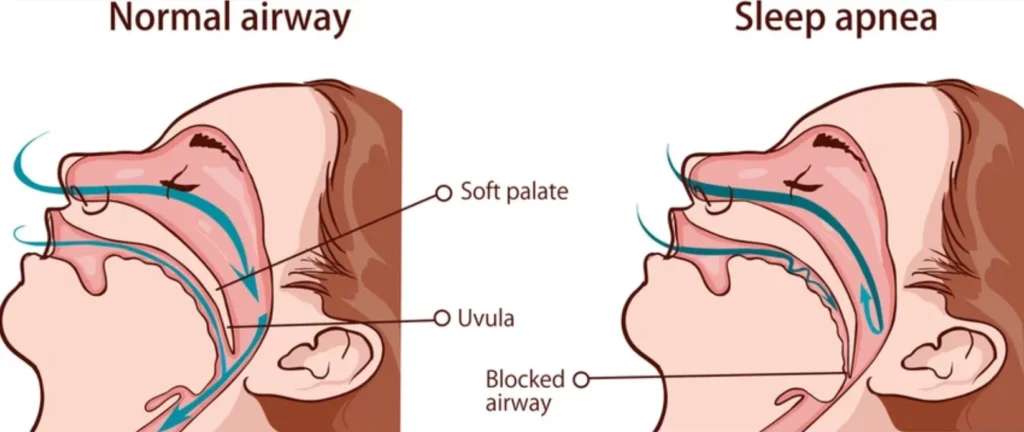
- Screen first: make sure you’re not ignoring sleep apnea warning signs.
- Pick one tool: avoid stacking devices so you can track what works.
- Plan a 14-night test: snoring changes need a little runway.
- Document it: quick notes protect your time, money, and expectations.
Snoring is having a moment in the culture. People are talking about wearables, “sleep score” bragging rights, travel fatigue, and the comedy (and tension) of sharing a bed with a human foghorn. Add workplace burnout and you get a familiar pattern: you’re exhausted, you buy something, you hope it fixes everything. This post keeps it simple and safety-first, with a clear plan for using an anti snoring mouthpiece as part of better sleep health.
Overview: why snoring is louder than ever (and why sleep quality matters)
Snoring isn’t just a relationship punchline. It can wreck sleep quality for two people at once. Poor sleep also tends to snowball into mood issues, focus problems, and low energy.
Recent headlines have also nudged people to think about broader health angles—like whether nutrition status (including vitamin D) might be associated with snoring in some cases, and how to tell simple snoring from sleep apnea. Keep those ideas in the “worth discussing” bucket, not the “self-diagnose” bucket.
If you want one reliable win: reduce the noise and micro-wakeups first. Then reassess how you feel in the daytime.
Timing: when to test a mouthpiece (and when to pause and screen)
Good timing to try
- You snore most nights and it’s worse on your back.
- Your partner reports steady snoring without choking or gasping.
- You want a non-medication option you can trial at home.
Pause and get medical guidance if you notice red flags
- Witnessed breathing pauses, choking, or gasping.
- Severe daytime sleepiness, morning headaches, or high blood pressure concerns.
- You wake with panic, chest discomfort, or feel unsafe driving due to fatigue.
Those signs don’t prove sleep apnea, but they justify a proper screening conversation. Snoring can be harmless, or it can be a signal. Treat uncertainty as a reason to check, not to guess.
Supplies: what you need for a clean, trackable trial
- Your device: a mouthpiece (and optionally a chin strap if mouth-breathing is part of your pattern).
- Basic cleaning routine: mild soap, cool water, and a dedicated case.
- A simple log: notes app works. Track bedtime, alcohol, congestion, and snoring feedback.
- Optional: phone snore recording app for before/after comparisons.
Travel tip: if jet lag or hotel beds amplify your snoring, pack the case and keep the routine identical. Consistency beats “new environment” guesswork.
Step-by-step (ICI): Implement, Check, Iterate
1) Implement a two-week baseline + trial
Night 1–3 can be awkward. That’s normal. Start on a low-stakes stretch (not the night before a big presentation).
- Pick a consistent sleep window.
- Avoid alcohol close to bedtime during the first week if you can.
- Try side-sleep support if back-sleeping is your trigger.
If you’re shopping for a combined approach, consider an anti snoring mouthpiece so you can address jaw position and mouth-breathing together—without buying three separate gadgets you can’t evaluate.
2) Check results with simple metrics
- Partner rating: 0–10 loudness and “number of wake-ups.”
- Your morning check: dry mouth, jaw soreness, headache, rested vs. wrecked.
- Midday check: energy dip severity and focus.
Keep the log short. Two lines per day is enough. This is about decision-making, not journaling.
3) Iterate without stacking changes
Change one variable at a time. Otherwise you’ll never know what helped.
- If comfort is the issue, adjust fit per product guidance and give it a few nights.
- If dry mouth is the issue, look at mouth-breathing triggers like congestion.
- If snoring is unchanged, reassess: back-sleeping, alcohol timing, and red flags.
Want the broader context people are discussing right now? Skim the ongoing coverage via Snoring at night? Low vitamin D might be playing a role. Treat headlines as prompts for questions, not final answers.
Mistakes that waste money (or create new problems)
Buying based on hype, not fit and follow-through
“Best device” lists are useful for options, but your results depend on consistent use and comfort. A device in a drawer can’t improve sleep quality.
Ignoring jaw or dental issues
If you have jaw pain, loose teeth, gum disease, or major dental work, get dental guidance before forcing a mouthpiece trial. Pain is a stop sign, not a “push through it” challenge.
Masking potential sleep apnea
If you suspect apnea, don’t treat snoring like a cosmetic problem. Screening protects your health and reduces the risk of false reassurance.
Changing five variables at once
New pillow, new mouthpiece, new supplement, new app, new bedtime. It sounds productive. It destroys your ability to learn what actually worked.
FAQ (quick answers)
Can an anti snoring mouthpiece help right away?
Sometimes, yes. Comfort and consistent positioning usually improve over 1–2 weeks.
How do I know if it’s snoring or sleep apnea?
Breathing pauses, choking/gasping, and significant daytime sleepiness are common reasons to get evaluated.
Are mouthpieces safe for everyone?
No. Dental and jaw conditions can change what’s appropriate, so get guidance if you have concerns.
Do chin straps work for snoring?
They can help certain mouth-breathers, but they don’t address every cause of snoring.
What’s the simplest way to track progress?
Partner feedback + a short daily note on sleep time, alcohol, congestion, and morning feel.
CTA: make one smart change tonight
If snoring is dragging down your sleep quality, run a clean two-week trial and document what happens. That’s the fastest way to stop guessing.
How do anti-snoring mouthpieces work?
Medical disclaimer: This article is for general education and does not provide medical advice, diagnosis, or treatment. If you have symptoms of sleep apnea, significant daytime sleepiness, chest pain, or concerns about your heart or breathing during sleep, seek prompt evaluation from a qualified clinician.