
On a red-eye flight, an exhausted traveler dozes off in seat 22B. Ten minutes later, the snoring starts. A stranger laughs, a partner texts a meme, and the cabin becomes a tiny stage for a very common problem.
Fast-forward to the next morning: coffee, brain fog, and that familiar feeling that sleep didn’t “work.” Lately, snoring has been showing up everywhere in conversations about sleep gadgets, burnout, and relationship peace treaties. If you’re looking at an anti snoring mouthpiece, you’re not alone.
Why is everyone suddenly talking about snoring and sleep quality?
Sleep has become a mainstream health trend. People track it with rings, apps, and smart alarms. They also notice when the data looks bad after travel, late-night scrolling, or stressful workweeks.
Snoring is a simple, loud signal that something in the airflow is getting noisy at night. It can disrupt your sleep, your partner’s sleep, or both. Even when it’s “just snoring,” the next-day impact can feel real.
In the news and online, you’ll also see more discussion about airway-focused dentistry and sleep-breathing health. If you want a broad overview of that conversation, see Creative Smiles Dentistry Advances Airway Dentistry to Address Sleep and Breathing Health in Tucson.
What’s the simplest explanation for snoring (and why sleep position matters)?
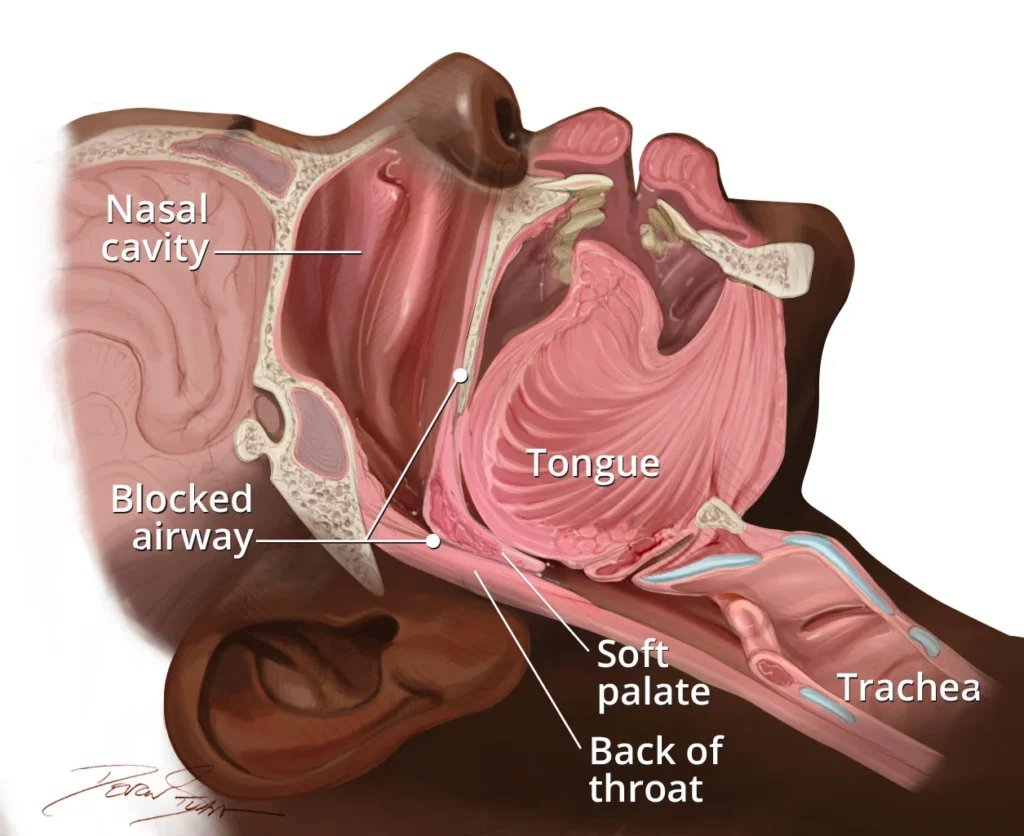
Snoring usually happens when airflow becomes turbulent as it moves through relaxed tissues in the throat and mouth. The vibration creates the sound. That’s why snoring often gets worse when you sleep on your back.
Position is the low-tech lever people forget. Side-sleeping, head/neck alignment, and nasal comfort can change the “shape” of your airway at night. Those basics matter even if you also use a device.
What is an anti-snoring mouthpiece, and what does it actually do?
An anti-snoring mouthpiece is a small oral device worn during sleep. Many popular designs aim to keep the lower jaw from drifting backward. That forward positioning can help keep the airway more open for some people.
You may see these described as mandibular advancement devices (MAD-style). You’ll also see plenty of reviews and “is it legit?” debates. The key is to focus on fit, comfort, and safe use rather than hype.
How do you choose one without getting lost in reviews and sleep-gadget noise?
Start with your goal: quieter breathing and better sleep continuity. Then evaluate the device like a piece of sports gear. If it doesn’t fit, you won’t wear it.
Comfort check: what you should notice in the first week
Some people feel extra saliva, mild tooth pressure, or jaw tightness early on. That can be part of the adjustment period. It should not feel like sharp pain or create lingering soreness that follows you into the day.
If you already deal with TMJ symptoms, dental work, or gum issues, it’s smart to ask a dentist before you commit. Comfort is a safety feature, not a luxury.
Fit and positioning: the “too much, too fast” trap
With jaw-advancing styles, more forward is not always better. Over-advancing can irritate the jaw and make the device harder to tolerate. A gradual approach tends to be easier to stick with.
Also consider your sleep style. Back sleepers may notice bigger changes from positioning tools. Side sleepers may need less aggressive adjustment.
Cleanup and upkeep: the unglamorous part that affects results
Dirty gear feels gross, smells bad, and can shorten the life of the device. Rinse it after use, clean it gently, and let it dry fully. Follow the manufacturer’s instructions, especially around heat.
If you travel a lot, pack a ventilated case. Hotel-room improvisation is where devices get warped, lost, or “mysteriously” thrown away.
What else can you do tonight to support sleep health (without turning bedtime into a project)?
Snoring solutions work best when your whole sleep setup is less chaotic. Keep it simple and repeatable.
- Reduce late-night friction: dim lights, lower noise, and keep the room cool.
- Protect your nasal breathing: address dryness or congestion in a basic, non-complicated way.
- Watch the “second wind”: heavy meals and alcohol close to bedtime can worsen snoring for some people.
- Respect recovery: travel fatigue and workplace burnout can make sleep lighter and more fragmented.
Relationship note: humor helps, but so does teamwork. A plan you both agree on beats nightly negotiations at 1 a.m.
When is snoring a medical red flag?
Snoring can be benign, but it can also show up alongside sleep-disordered breathing. Consider talking with a clinician if you notice choking/gasping, witnessed breathing pauses, morning headaches, high daytime sleepiness, or high blood pressure concerns.
Medical disclaimer: This article is for general education and does not diagnose, treat, or replace medical advice. If you suspect sleep apnea or have jaw/dental pain, consult a qualified clinician or dentist.
Common questions people ask before buying an anti-snoring mouthpiece
If you want a simple option to explore, see this anti snoring mouthpiece. It’s designed to combine oral positioning with added support for mouth closure, which some people prefer.
Bottom line: the best device is the one you can wear comfortably, clean consistently, and pair with basic sleep habits. Quiet nights are rarely about one magic gadget. They’re usually about a few small changes that you can repeat.