
Before you try another snoring “fix,” run this quick checklist:
- Noise problem or sleep problem? If you feel wrecked in the morning, treat it as sleep health—not just a sound issue.
- Nose or mouth? If you can’t breathe through your nose at night, a mouthpiece alone may disappoint.
- Position matters. Back-sleeping and travel fatigue can turn mild snoring into a nightly headline.
- Comfort is non-negotiable. A device that hurts won’t get used, and unused tools don’t help.
- Know the red flags. Snoring plus gasping, pauses, or heavy daytime sleepiness needs medical attention.
Snoring is having a cultural moment again. Sleep gadgets are everywhere, burnout is real, and couples are trading jokes about “who started it” at 2 a.m. Meanwhile, articles keep popping up about possible links between snoring and factors like nutrient status, including vitamin D. The takeaway is simple: people want a practical plan that doesn’t rely on hype.
A decision guide: If this is you… then do this
If you snore mostly on your back, then start with positioning + a mouthpiece check
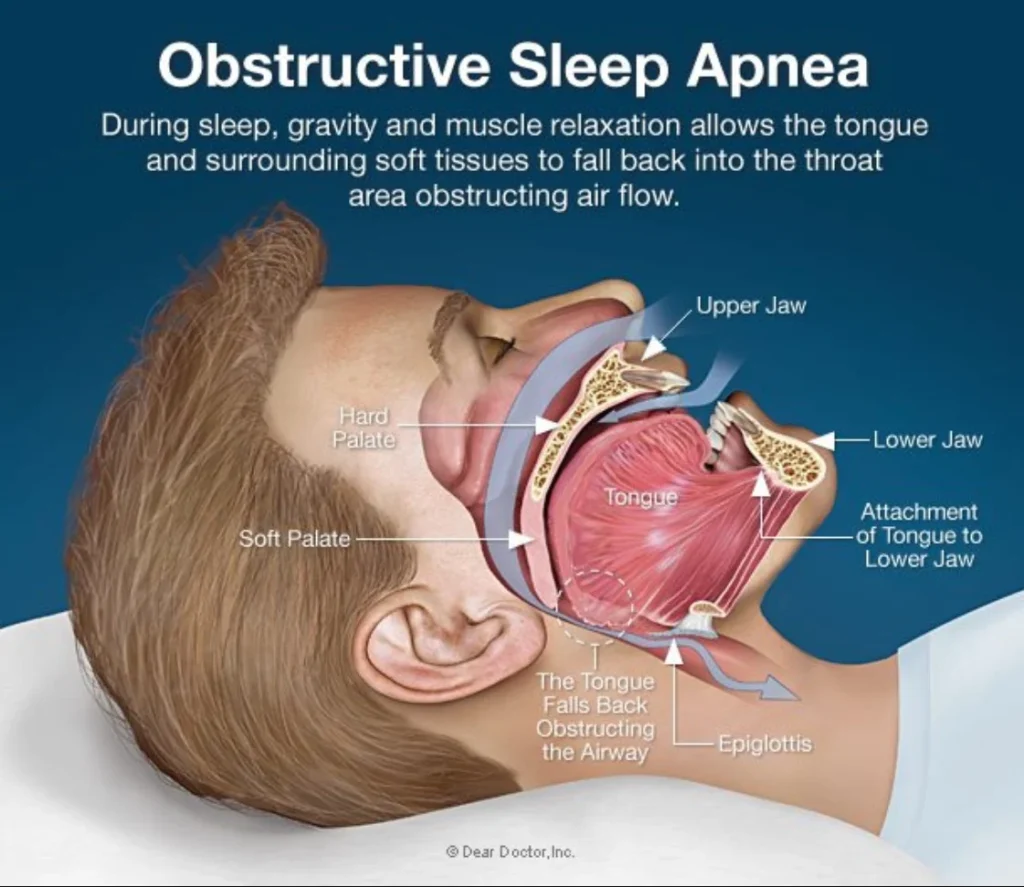
Back-sleeping can let the jaw and tongue drift, narrowing airflow. That’s why many people look at a mandibular-advancement style solution (a mouthpiece that gently holds the lower jaw forward) when they want a mechanical, repeatable change.
Try this tonight: test side-sleeping and note whether your snoring changes. If it improves, an anti snoring mouthpiece may be a strong next step because it targets airway positioning, not just sound.
If travel or late nights “flip the switch,” then focus on recovery habits and consistency
Jet lag, hotel pillows, and irregular bedtimes can make your sleep lighter and your tissues more reactive. You might snore more simply because you’re run down. That’s why snoring often spikes after work trips, weddings, or deadline weeks.
Then do this: keep your bedtime window steady for a few nights and reduce alcohol close to bed. If snoring persists even when you’re back to normal routines, a mouthpiece becomes easier to evaluate because you’re not testing it during chaos.
If your partner says it’s “mouth-open snoring,” then consider a combo approach
Some snoring gets worse with mouth breathing. A chin strap can help some people keep the mouth closed, while a mouthpiece can help manage jaw position. For certain sleepers, combining tools is less about “more gear” and more about solving the right mechanical problem.
Then consider: a product designed for both goals, like this anti snoring mouthpiece, especially if your main complaint is dryness, open-mouth sleep, and partner-disturbing noise.
If you keep buying sleep gadgets, then simplify your stack
Smart rings, white-noise machines, mouth tape, nasal strips—sleep trends move fast. A mouthpiece is different because it aims to change airflow mechanics, not just your environment or data dashboard.
Then do this: run a two-week experiment. Keep everything else stable. Change only one variable (the mouthpiece). Track: morning energy, nighttime awakenings, partner feedback, and comfort.
If you’re seeing “vitamin” headlines, then treat them as a prompt—not a diagnosis
You may have noticed headlines suggesting low vitamin D might be involved in snoring for some people. That doesn’t mean supplements are a snoring cure. It does mean it can be worth discussing overall health factors with a clinician, especially if fatigue, low mood, or frequent illness are in the picture.
If you want the broader context behind that conversation, here’s a related read: Snoring at night? Low vitamin D might be playing a role.
How to judge an anti snoring mouthpiece (without overthinking it)
1) Fit: secure, not aggressive
A good fit stays put and doesn’t force your jaw into a painful position. Mild pressure can be normal early on. Sharp pain is not.
2) Comfort: your “all-night” test
If you rip it out at 3 a.m., it fails the only test that matters. Look for smooth edges, manageable bulk, and a design that doesn’t make you gag.
3) Positioning: jaw forward, airway open
Many mouthpieces work by gently bringing the lower jaw forward, which can reduce tissue collapse and vibration. Small adjustments often beat big jumps.
4) Cleanup: quick routine, fewer excuses
Rinse after use, clean daily, and let it dry. The best routine is the one you’ll actually do when you’re tired.
When a mouthpiece is not the right DIY move
Don’t try to “power through” if you have signs that point beyond simple snoring. Get evaluated if you notice breathing pauses, choking/gasping, chest discomfort at night, or severe daytime sleepiness. Those symptoms can suggest obstructive sleep apnea, which needs proper assessment.
FAQ: quick answers people ask right now
Do anti-snoring mouthpieces work for everyone?
No. They’re best when jaw/tongue positioning is a key driver.
How long does it take to adjust?
Often a few nights to a couple of weeks, depending on fit and sensitivity.
Can I use a mouthpiece if I have jaw issues?
If you have TMJ pain or dental concerns, talk with a dentist or clinician first.
What if my snoring is worse during burnout weeks?
Stabilize sleep schedule and recovery habits, then test one intervention at a time.
Next step
If you want a simple, mechanical approach that targets airflow positioning, start with a mouthpiece plan you can stick with—fit, comfort, and cleanup first. Data and gadgets can support the process, but they can’t replace consistency.
How do anti-snoring mouthpieces work?
Medical disclaimer: This article is for general education and does not provide medical advice. Snoring can have many causes, including obstructive sleep apnea. If you have breathing pauses, gasping, significant daytime sleepiness, or other concerning symptoms, seek evaluation from a qualified healthcare professional.