
Is snoring just “annoying,” or is it messing with your sleep health?
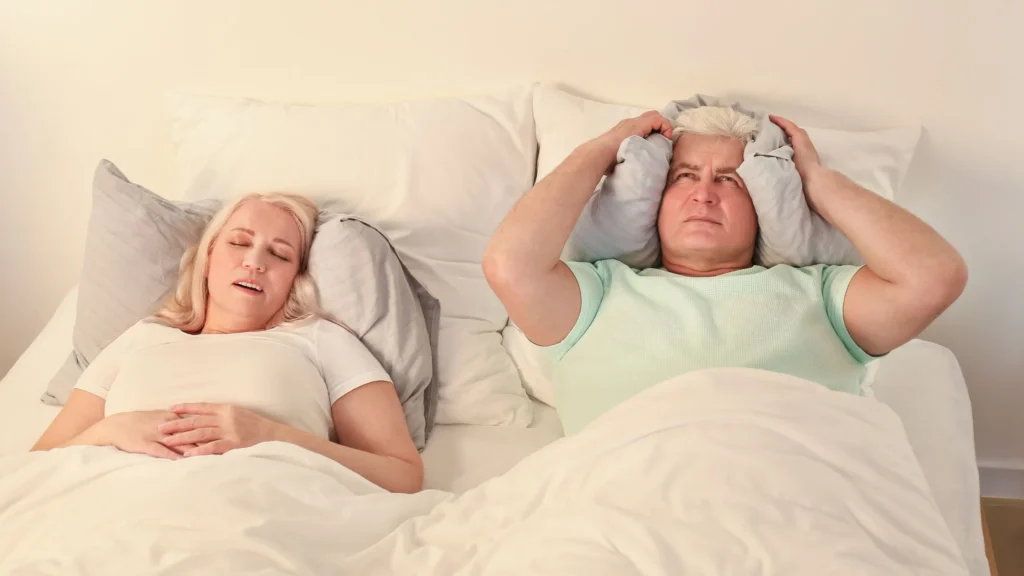
Do you actually need an anti snoring mouthpiece, or will a few sleep-hygiene tweaks do it?
And how do you choose something that helps without burning a paycheck on trendy sleep gadgets?
Snoring is having a cultural moment. People are swapping stories about 3 a.m. wake-ups, daylight-savings whiplash, “biohacker” sleep gear, and the jokes couples make when one person sounds like a leaf blower. Under the humor is a real issue: poor sleep quality spills into mood, focus, workouts, and workplace burnout.
This guide keeps it practical. You’ll get an “if…then…” path to decide whether an anti snoring mouthpiece makes sense, what to watch for, and when to stop guessing and get checked.
First: the quick reality check (snoring vs sleep health)
Snoring can be simple vibration from airflow. It can also show up alongside bigger breathing problems during sleep. Recent health coverage has highlighted how many people wish they recognized red flags earlier, especially around obstructive sleep apnea.
If you want background reading, see What I Wish I Knew About Obstructive Sleep Apnea. Keep in mind: online articles can’t diagnose you. They can help you notice patterns worth discussing with a professional.
The decision guide: If…then… choose your next move
If your snoring is “situational,” then start with the cheapest levers
If you mostly snore after late meals, alcohol, travel fatigue, or sleeping on your back, then fix the obvious triggers first. You may not need a device at all.
Try a short reset for 7–10 nights: consistent bedtime, a cooler/darker room, and a wind-down that doesn’t involve doomscrolling. Some sleep doctors also emphasize simple sleep hygiene for middle-of-the-night wake-ups, like keeping wake time steady and limiting stimulants later in the day.
If you’re gadget-curious, then separate “trendy” from “useful”
If your feed is pushing mouth tape, wearables, and new sleep accessories, then slow down and define the goal. Is it quieter nights? Fewer wake-ups? Less dry mouth? Better morning energy?
Trends can be helpful prompts, but they can also turn sleep into a performance project. Pick one change at a time. Otherwise you’ll never know what worked.
If you snore most nights, then an anti-snoring mouthpiece is a reasonable at-home step
If snoring is frequent and you want a practical, budget-aware option, then an anti-snoring mouthpiece is often a solid next move. Many mouthpieces aim to improve airflow by supporting jaw position and reducing airway collapse tendencies during sleep.
Think of it like moving a chair away from a doorway. You’re not remodeling the hallway. You’re just creating more space so air can pass with less turbulence.
If you also breathe through your mouth, then consider a combo approach
If you wake with dry mouth, drool, or your partner says your mouth hangs open, then you may do better with a solution that addresses both jaw position and mouth opening. For a product-style example, you can look at an anti snoring mouthpiece.
Comfort matters. So does consistency. The “best” device is the one you can actually wear.
If your partner reports pauses, gasps, or choking, then skip the DIY loop
If someone notices you stop breathing, gasp, or choke during sleep, then treat that as a medical conversation, not a shopping problem. The same goes for loud snoring plus strong daytime sleepiness, morning headaches, or high blood pressure concerns.
Many people delay evaluation because snoring feels like a relationship nuisance. It can be more than that. It’s worth getting assessed.
How to “test” a mouthpiece without wasting a cycle
Use a simple scorecard for 10–14 nights. Track: (1) snoring volume (partner rating or a basic recording), (2) number of wake-ups, (3) morning energy, and (4) comfort.
Keep everything else stable. Don’t add three new supplements, switch pillows, and start mouth taping in the same week. That’s how people end up with a drawer full of sleep gadgets and no clear answer.
What people are talking about right now (and how to think about it)
Daylight savings and “social jet lag”
When clocks shift, sleep gets fragile. A small schedule change can amplify snoring for some people, especially if it pushes you into shorter sleep or more back-sleeping. Plan a gradual adjustment when you can, and protect your wind-down routine.
3 a.m. wake-ups
Waking at 3 a.m. is a common complaint. Sometimes it’s stress. Sometimes it’s habits. Sometimes it’s disrupted breathing. If snoring is part of your story, a mouthpiece may help, but don’t ignore the bigger sleep picture.
Relationship humor (that still deserves a fix)
Yes, snoring jokes are everywhere. Earplugs, pillow barricades, “sleep divorce” memes. But the goal isn’t just peace in the bedroom. It’s better recovery for both people.
Medical disclaimer (read this)
This article is for general education and does not provide medical advice, diagnosis, or treatment. If you suspect obstructive sleep apnea or have concerning symptoms (breathing pauses, gasping, severe daytime sleepiness, chest pain, or significant insomnia), talk with a qualified clinician for evaluation and personalized guidance.
FAQs
Do anti-snoring mouthpieces work for everyone?
No. They can help many people, but snoring has multiple causes. Fit and comfort also vary.
Is loud snoring always a sign of sleep apnea?
Not always, but it can be a clue. Breathing pauses, gasping, and heavy daytime sleepiness are stronger warning signs.
What’s the difference between a mouthpiece and mouth tape?
A mouthpiece aims to improve airway space by positioning oral structures. Mouth tape focuses on keeping lips closed and may not address airway narrowing.
How fast should an anti-snoring mouthpiece help?
Some notice changes quickly, but give it time for comfort and consistency. Reassess if symptoms continue.
Can travel fatigue make snoring worse?
Yes. Sleep loss, congestion, alcohol, and back-sleeping during travel can all contribute.
CTA: One question to start with
If you want a simple explanation before you buy anything, start here: