
Snoring has become a modern soundtrack: travel fatigue, late-night scrolling, and “one more email” burnout don’t help. Add a new wave of sleep gadgets, and it’s easy to feel like you need a lab to get through the night.
But most people want one thing: quieter sleep that doesn’t wreck their mornings or their relationships.
This guide is a simple “if…then…” decision tree to help you choose an anti snoring mouthpiece safely—and know when to stop DIY and get screened.
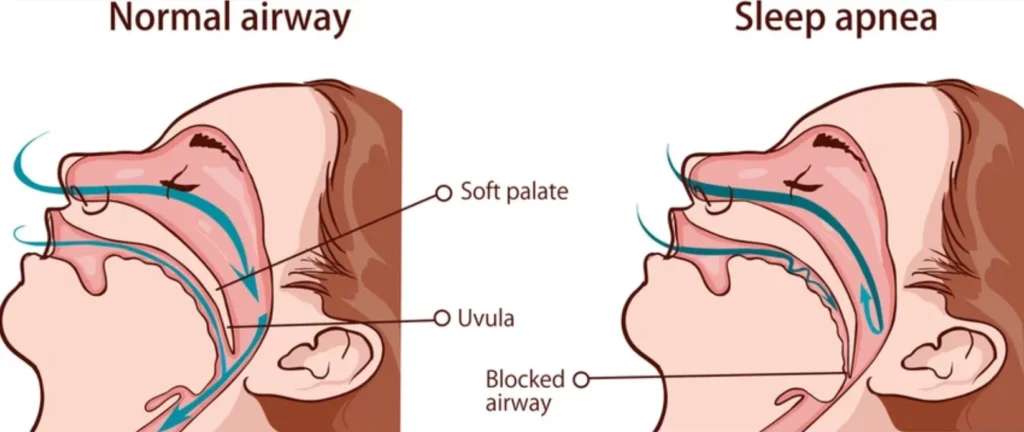
Start here: is it “snoring” or a bigger sleep problem?
Snoring is common, but it’s not always harmless. Some headlines lately have focused on sleep apnea guidance and new anti-snoring devices being tested, which matches what many people are feeling: they want relief, but they also want clarity.
If you suspect sleep apnea, documenting symptoms matters. It helps you communicate clearly with a clinician and, in some situations, support workplace or benefits paperwork.
If you notice breathing pauses, gasping, or heavy daytime sleepiness… then screen first
Don’t treat those signs as “just loud snoring.” A mouthpiece may still be part of your plan, but you’ll want a medical evaluation to rule out obstructive sleep apnea and discuss options.
To see what researchers are exploring right now, you can skim Bruxism And Sleep Apnea Guard Anti Snoring Seeping Apnea Device Bruxism Mouth Guard Teeth Bruxism Sleeping Apnea Guard Snoring Mouth Guard Snoring Stop Snorin I.747849355 Sleep Apnea Mouth Guard.
If it’s mostly noise (no red flags)… then move to the “what kind” question
When snoring is primarily a vibration-and-airflow issue, practical tools can help. That includes sleep-position changes, bedroom tweaks, and oral devices.
Decision tree: picking an anti snoring mouthpiece without guesswork
If you snore more on your back… then prioritize airway support and positioning
Back-sleeping often worsens snoring. You can test this quickly by noting whether your partner reports quieter nights when you sleep on your side.
In this branch, a mouthpiece can be a reasonable next step, especially if you want something travel-friendly for hotel nights and jet-lag weeks.
If your jaw feels sore in the morning… then consider bruxism before you buy
Some people clench or grind and also snore. Recent product chatter mixes “bruxism guards” with “anti-snoring” claims, but those are not always the same design goal.
If you wake with jaw tightness, tooth sensitivity, or new headaches, choose cautiously. A poor fit can irritate the jaw joint or shift bite comfort over time.
If you wake up with dry mouth or a slack jaw… then consider a combo approach
Dry mouth can show up when you breathe through your mouth at night. Some people do better when jaw position is supported in addition to using an oral device.
If that sounds like you, look at an option like an anti snoring mouthpiece. It’s a straightforward way to address two common patterns without stacking random gadgets.
If you’re tempted by “viral” freezer tricks or quick hacks… then focus on controllable basics
Every season brings a new hack—some harmless, some not worth the effort. Instead, tighten the fundamentals you can actually measure: bedtime consistency, alcohol timing, nasal comfort, and device hygiene.
Sleep tech can be fun, but it shouldn’t replace a plan. Use trackers for patterns, not for perfection.
Safety and screening: reduce risk and document your choices
If you share a bed… then treat snoring as a two-person sleep problem
Relationship humor about “the snorer” is everywhere, but chronic sleep disruption can build real resentment. Agree on a simple trial: pick one change for 7–14 nights, then reassess together.
Track outcomes in plain terms: snoring volume (partner rating), morning energy, and whether you kept the device in all night.
If you travel often or feel burned out… then set a minimum viable sleep routine
Travel fatigue and workplace stress make snoring feel louder because your sleep is already fragile. Protect a few anchors: consistent wake time, a wind-down window, and a clean, dry device case.
This is also where documentation helps. A short log can show whether snoring is tied to alcohol, late meals, or specific sleep positions.
If you use a mouthpiece… then hygiene and fit are non-negotiable
Oral devices sit in a warm, moist environment. Clean them as directed, let them dry fully, and replace them if they warp or crack.
If you develop gum irritation, tooth pain, or jaw clicking, stop using the device and get dental guidance.
FAQs: quick answers people are searching right now
Do anti-snoring mouthpieces work right away?
Some people notice improvement quickly, while others need an adjustment period for comfort. If you can’t tolerate it after several nights, reassess fit and approach.
Can I use a mouthpiece if I have dental work?
Maybe. Crowns, bridges, and aligners can change what’s safe and comfortable. When in doubt, ask your dentist before starting.
What’s the simplest way to tell if my sleep quality improved?
Look for fewer awakenings, better morning energy, and fewer partner complaints. Track for at least a week to avoid one-off “good nights.”
Next step: choose a plan you can stick with
If snoring is hurting your sleep quality, you don’t need ten gadgets. You need one safe, consistent intervention and a clear line for when to get screened.
How do anti-snoring mouthpieces work?
Medical disclaimer: This article is for general education and is not medical advice. Snoring can be a symptom of obstructive sleep apnea or other conditions. If you have choking/gasping, witnessed breathing pauses, significant daytime sleepiness, or concerns about jaw or dental health, seek evaluation from a qualified clinician or dentist.