
Myth: Snoring is just a noise problem.
Reality: Snoring often signals disrupted sleep—for the snorer and anyone within earshot. That’s why “sleep gadgets” keep trending, from wearables to nasal strips to mouthpieces. People are tired, traveling more, juggling burnout, and trying to stop the 2 a.m. elbow nudge from a partner who “just wants one quiet night.”
This guide keeps it practical: how an anti snoring mouthpiece may help, what to look for, how to get the fit right, and how to keep it comfortable and clean.
Why do I snore more lately—stress, travel, or something else?
Snoring can spike when your sleep gets lighter or more fragmented. That’s common during busy work stretches, after late meals or alcohol, or when you’re dealing with travel fatigue and dry hotel air.
Congestion matters too. Recent health coverage has put a spotlight on the nose and airflow. If you can’t breathe well through your nose, you may default to mouth breathing, which can increase vibration and noise.
Quick self-check (no gadgets required)
- Nose blocked at night? You may need an airflow plan (humidity, allergy management, or clinician advice).
- Snore worse on your back? Positioning and jaw support may help.
- Wake up unrefreshed? Consider screening for sleep-disordered breathing.
Is snoring actually hurting my sleep quality?
Often, yes. Even when you don’t fully wake up, snoring can be a sign that airflow is partially restricted. That can fragment sleep and leave you feeling foggy the next day.
It can also turn into a relationship issue fast. The humor is real—separate blankets, “snore divorces,” and negotiations that sound like workplace HR—but the underlying problem is still sleep disruption.
How does an anti snoring mouthpiece work (in plain English)?
Many mouthpieces aim to reduce snoring by improving airflow and reducing tissue vibration. A common approach is gentle jaw positioning: bringing the lower jaw slightly forward to help keep the airway more open.
Think of it like adjusting a kinked hose. You’re not forcing pressure. You’re improving the pathway.
Two common styles you’ll see
- Mandibular advancement-style designs: Support the lower jaw forward.
- Tongue-support designs: Help keep the tongue from falling back.
Research and product testing discussions keep evolving, and new devices are still being evaluated in clinical settings. If you want the bigger picture on what’s being studied, see this reference to a Could Your Nose Be Key to Better Performance?.
What should I look for in an anti-snoring mouthpiece (so I don’t hate it)?
Most people quit because of comfort issues, not because they “don’t believe in it.” Your shortlist should focus on fit, feel, and whether you can actually sleep with it.
Comfort checklist
- Adjustability: Small changes can make a big difference in jaw comfort.
- Breathing space: If you tend to feel “claustrophobic” at night, look for a design that doesn’t make breathing feel restricted.
- Material feel: Too bulky can trigger gagging; too flimsy can shift around.
- Retention: If it pops out, you’ll stop using it.
How do I get the fit right the first week?
Expect an adjustment period. Your mouth and jaw need time to adapt, especially if you clench, grind, or sleep with your mouth open.
A simple “ICI” setup: Insert, Check, Increment
- Insert: Seat it fully so it sits stable on the teeth.
- Check: Do a quick comfort scan—pressure points, gagging, drooling, jaw tension.
- Increment: If the design is adjustable, make small changes over days, not big jumps in one night.
If you feel sharp pain, numbness, or your bite feels “off” for hours after waking, pause and consider clinician guidance.
What else should I pair with a mouthpiece for better sleep health?
A mouthpiece can be the main tool, but it works best with basic sleep mechanics. These aren’t glamorous, yet they often decide whether your results stick.
High-impact add-ons (low effort)
- Side-sleep positioning: Many people snore less off their back.
- Nasal airflow support: If congestion is common, talk to a clinician about safe options. Even simple routines like saline rinses are widely discussed in sleep coverage, especially for kids under medical guidance.
- Wind-down consistency: Burnout brains don’t downshift easily. A repeatable pre-sleep routine helps.
- Bedroom “dryness” fixes: Travel and winter heat can dry the airway. Humidity support may reduce irritation for some people.
How do I clean and maintain an anti-snoring mouthpiece?
Cleanup is where good intentions go to die. Make it simple so you can repeat it.
Fast routine
- Rinse right after use.
- Brush gently with mild soap (unless the instructions say otherwise).
- Air-dry completely before storing.
- Use a ventilated case so it doesn’t stay damp.
Avoid boiling or harsh chemicals unless the product specifically recommends it. Heat can warp some materials.
When should I skip DIY and talk to a clinician?
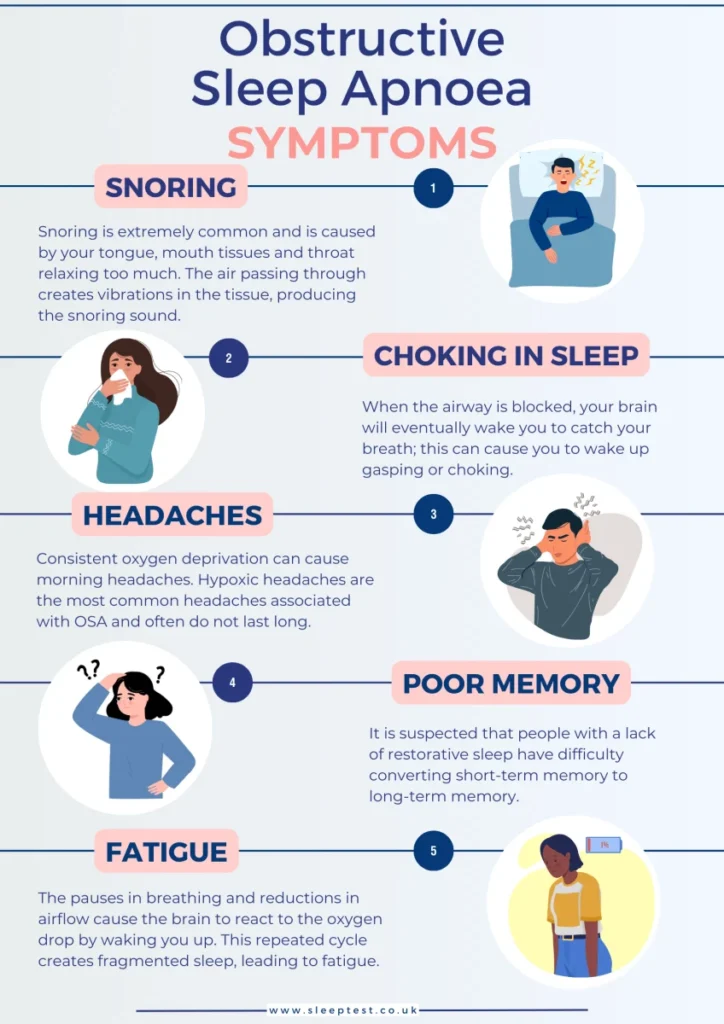
Snoring can overlap with obstructive sleep apnea. You don’t need to panic, but you do need to pay attention to red flags.
Get checked if you notice:
- Breathing pauses, choking, or gasping during sleep (reported by a partner counts)
- Strong daytime sleepiness or dozing off easily
- Morning headaches, mood changes, or concentration problems
- High blood pressure or heart risk factors
Which product type is worth trying first?
If mouth breathing and jaw drop seem to drive your snoring, some people prefer a combined approach that supports the mouthpiece fit and nighttime positioning. If you’re comparing options, you can review an anti snoring mouthpiece and see whether that setup matches your sleep style.
Common questions (quick answers)
Will it stop snoring on night one? Sometimes, but many people need a week or two of small adjustments.
Is drooling normal? It can happen early on. It often improves as your mouth adapts.
Can I use it if I’m congested? You can try, but mouthpieces don’t fix nasal blockage. Airflow still matters.
Next step: make tonight easier
If you want a clear explanation before you buy anything, start here:
How do anti-snoring mouthpieces work?
Medical disclaimer: This article is for general education and is not medical advice. Snoring can have multiple causes, including sleep apnea. If you have symptoms like choking/gasping, witnessed breathing pauses, significant daytime sleepiness, or ongoing jaw pain, talk to a qualified clinician for evaluation and personalized guidance.