
Snoring is having a moment. Not the cute kind—more like the “who packed the earplugs?” kind.
Between sleep-tracker scores, travel fatigue, and burnout-y mornings, people are shopping for fixes that don’t waste a whole month.
An anti snoring mouthpiece can be a practical first try—if you know what to verify and what to skip.
Is my snoring just annoying, or a sleep health red flag?
Snoring sits on a wide spectrum. For some couples, it’s a running joke until the guest room becomes a recurring “solution.” For others, it’s paired with poor sleep quality and daytime fog that spills into work and mood.
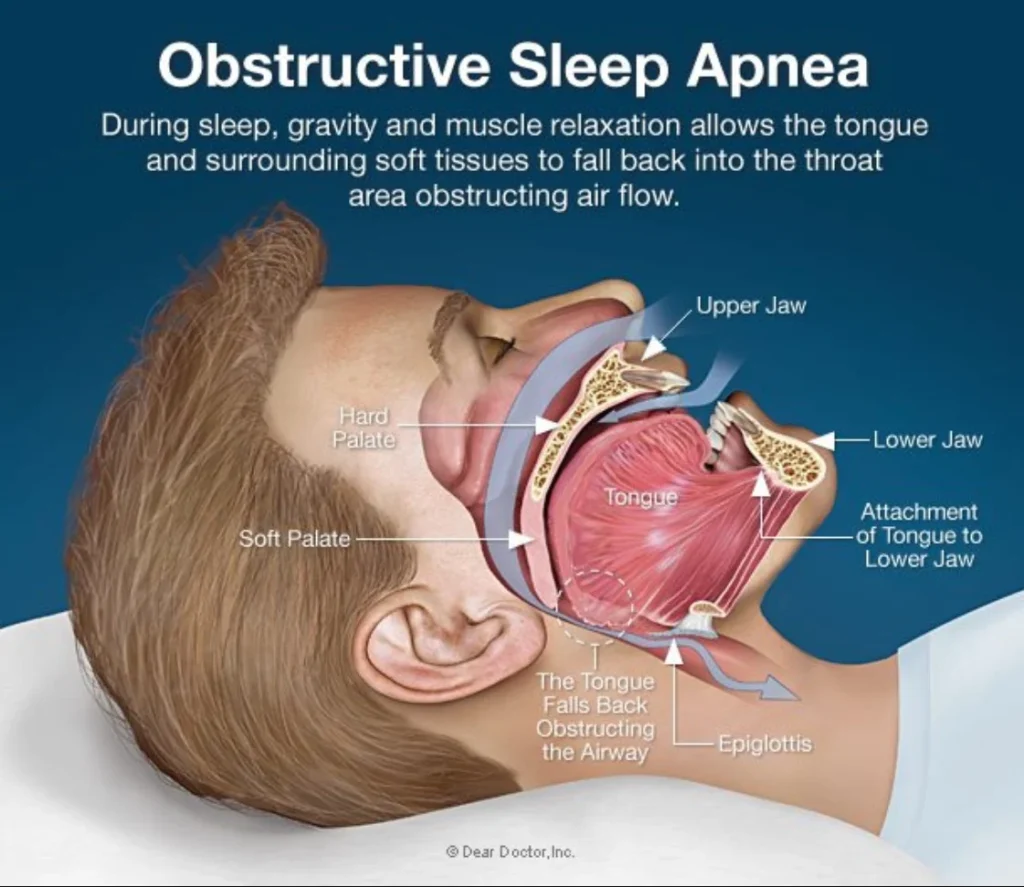
What matters is the pattern. Loud, frequent snoring plus choking, gasping, or witnessed breathing pauses can point to sleep apnea, which needs medical evaluation.
Quick self-check (not a diagnosis)
- More concerning: breathing pauses, waking up panicked, morning headaches, high daytime sleepiness, or high blood pressure.
- Often situational: worse after alcohol, during allergies/colds, after weight changes, or when sleeping on your back.
If you’re unsure, it helps to read a general overview of how experts separate snoring from sleep apnea, like this piece on SleepZee Anti-Snoring Mouthpiece Consumer Report: 2026 Analysis of Mandibular Advancement Device Research, Snoring Reduction Claims, and What Buyers Should Verify.
Why is everyone suddenly talking about sleep gadgets and snoring?
Sleep has become a “performance metric.” People compare ring scores, app charts, and morning readiness like it’s a group project. Add daylight-savings disruptions, red-eye flights, and stress-heavy weeks, and snoring feels less like a quirk and more like a problem to solve.
That’s why anti-snore devices keep showing up in roundups and consumer-style reports. The goal is simple: fewer wake-ups, less partner nudging, and better next-day energy.
What is an anti snoring mouthpiece, and what does it actually do?
Most anti-snoring mouthpieces people discuss today fall into the “mandibular advancement” category. In plain terms, they’re designed to hold the lower jaw slightly forward during sleep. That forward position can help keep the airway more open for some snorers.
It’s not a magic fix. It’s a mechanical nudge that may reduce vibration and airway narrowing—especially when snoring is worse on your back.
Two common types you’ll see
- Mandibular advancement devices (MADs): aim to reposition the jaw forward.
- Tongue-retaining devices (TRDs): aim to hold the tongue forward (less common for casual buyers).
What should I verify before buying a mouthpiece (so I don’t waste a cycle)?
Recent consumer coverage has pushed a “verify first” mindset, and that’s smart. Many products look similar online, but comfort, adjustability, and fit can change your results.
Use this practical checklist
- Fit approach: boil-and-bite vs. custom-style. A better fit usually feels more stable.
- Adjustability: small incremental advancement tends to be easier to tolerate than a one-position device.
- Materials and comfort: look for smooth edges and a design that doesn’t force your mouth open.
- Return policy: your jaw and teeth will have opinions. A trial window matters.
- Clear “who shouldn’t use it” guidance: especially for TMJ issues, loose teeth, or significant dental work.
How does a mouthpiece compare to mouth tape, pillows, and other trends?
People love a simple hack, so mouth tape keeps popping up in sleep conversations. The idea is to encourage nasal breathing, but it’s not a universal snoring solution. If your nose is congested or you have untreated breathing issues, taping can be a bad match.
Pillows, positional training, and basic sleep hygiene can also help—especially when snoring is tied to back-sleeping, late nights, or travel disruption. Think of these as “low-cost levers” you can combine with a mouthpiece.
Budget-friendly pairing ideas
- Travel week: hydration, consistent bedtime, side-sleep support, and a mouthpiece if you already tolerate one.
- Burnout season: wind-down routine, caffeine cutoff, and a device that doesn’t add discomfort.
- Relationship peace plan: agree on a two-week trial and track outcomes (snoring intensity + how you feel).
What are realistic expectations for sleep quality changes?
People often judge success by one thing: “Did my partner stop elbowing me?” That’s fair, but you’ll get a clearer answer if you also track your own sleep quality.
Look for fewer awakenings, less dry mouth, and better morning energy. If you feel worse, or if symptoms suggest sleep apnea, don’t try to out-gadget the problem.
Where can I see mouthpiece options that match what people search for?
If you’re comparing styles and want a straightforward place to start, browse anti snoring mouthpiece and focus on fit, adjustability, and buyer protections.
FAQ: quick answers people ask before they buy
Can an anti-snoring mouthpiece help with daytime tiredness?
It can if snoring-related sleep disruption is the cause. If you have significant daytime sleepiness, consider a sleep apnea evaluation.
Will it hurt my jaw?
Mild soreness can happen during the adjustment period. Ongoing pain, clicking, or bite changes are signs to stop and get professional guidance.
Do I still need sleep hygiene if I use a device?
Yes. Devices can help, but inconsistent sleep schedules, alcohol close to bedtime, and stress can still wreck sleep quality.
CTA: pick a plan you can actually stick with
Start simple: confirm your risk level, choose one device approach, and give it a fair trial with a return policy. That’s how you avoid buying three “miracle” fixes and using none of them.
How do anti-snoring mouthpieces work?
Medical disclaimer: This article is for general education and does not provide medical advice or a diagnosis. If you suspect sleep apnea or have severe symptoms (gasping, breathing pauses, significant daytime sleepiness), seek evaluation from a qualified clinician.