
Q: Why does snoring feel like it’s everywhere right now?
Q: Can sleep gadgets actually improve sleep quality, or do they just track a bad night?
Q: Is an anti snoring mouthpiece a sensible first move if you want something practical at home?
Yes—snoring is getting more attention because people are tired. Travel fatigue, late-night scrolling, and workplace burnout have turned “good sleep” into a status symbol. Add relationship humor about “who kept who awake,” and it’s no surprise anti-snore products are trending.
The big picture: why snoring is a hot topic (and a growing market)
Snoring used to be treated like a punchline. Now it’s framed as a sleep health issue, and the market for anti-snoring tools is projected to grow over time. That shift matches what many households feel: sleep quality affects mood, focus, training, and patience.
At the same time, more reporting is highlighting that sleep apnea can be missed—especially when symptoms don’t fit the “classic” stereotype. If you’re curious about the broader conversation, see this related coverage via Anti-Snoring Devices Market Size to Hit USD 2.94 Million by 2035.
The emotional side: sleep loss hits relationships and self-esteem
Snoring is rarely just “noise.” It can create separate-bedroom debates, awkward travel plans, and resentment that builds quietly. Even if nobody says it out loud, many people worry they’re “the problem.”
There’s also the personal spiral: you snore, you wake up, you feel foggy, you lean on caffeine, and bedtime gets later. The goal here isn’t perfection. It’s fewer disrupted nights without turning your bedroom into a lab.
Practical steps first: a budget-friendly at-home checklist
If you want a low-drama plan, start with the basics that don’t require buying anything. Keep it simple for 7–10 nights so you can tell what helped.
Step 1: Run a quick “snore audit”
- Timing: Did snoring spike after alcohol, a heavy meal, or a late bedtime?
- Position: Is it worse on your back?
- Nasal comfort: Are you congested or mouth-breathing?
- Daytime signs: Do you feel unrefreshed, irritable, or unusually sleepy?
Step 2: Try the “small levers” that often matter
- Side-sleep support: A body pillow or backpack-style trick can reduce back-sleeping.
- Wind-down consistency: A steady bedtime helps more than people expect, especially during burnout seasons.
- Address dryness: Hydration and a comfortable room setup can reduce scratchy, open-mouth sleep for some.
Step 3: Decide if a mouthpiece fits your snoring pattern
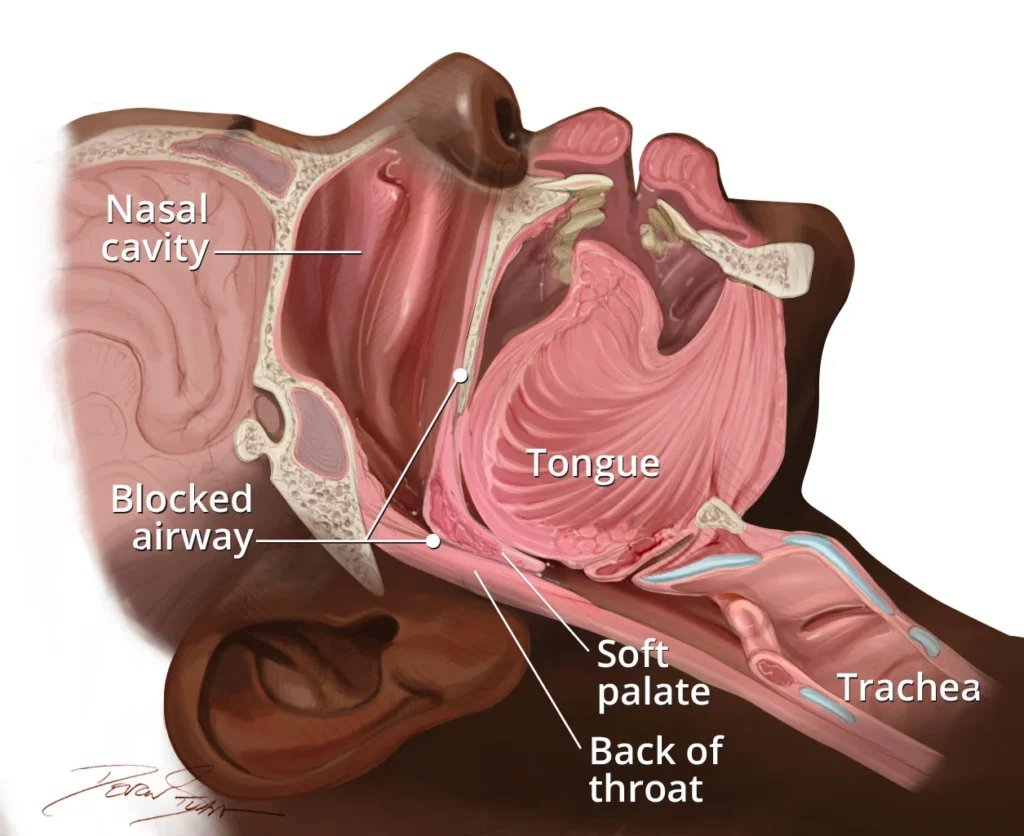
If your snoring seems tied to jaw or tongue position—especially when you sleep on your back—an anti-snoring mouthpiece may be a practical next step. It’s also appealing because it’s a “do it tonight” option, not a months-long project.
If you’re shopping, look for clear sizing/fit guidance and materials that feel tolerable for nightly wear. Some people prefer a combined approach that also supports keeping the mouth closed.
Example option to compare: anti snoring mouthpiece.
Safety and testing: how to trial a mouthpiece without wasting a week
Think of your first week as a fit-and-feedback test, not a final verdict. Comfort and consistency matter as much as the device type.
What “good fit” usually feels like
- Secure, but not painful or pinching
- No sharp edges rubbing gums or cheeks
- Manageable saliva changes after the first few nights
- Less snoring reported by a partner (or by a simple audio recording)
Red flags to take seriously
- Jaw pain that persists, tooth pain, or bite changes
- Gagging or inability to breathe comfortably through the night
- Loud snoring plus choking/gasping, or severe daytime sleepiness
If those show up, pause and consider professional guidance. Snoring can overlap with sleep apnea, and that needs the right evaluation—not just another gadget.
When to consider a sleep apnea check (especially if symptoms are easy to miss)
People don’t all present the same way. Some have insomnia-like nights, morning headaches, or persistent fatigue without “cartoonishly loud” snoring. If you suspect your sleep is impaired beyond simple snoring, a clinician can help you decide whether testing makes sense.
Medical disclaimer: This article is for general education and does not diagnose, treat, or replace medical advice. If you have symptoms of sleep apnea, significant daytime sleepiness, or persistent pain with any device, seek care from a qualified clinician.
FAQ: quick answers before you buy anything else
Do anti-snoring mouthpieces help with sleep quality?
They can, if they reduce snoring and micro-awakenings. Better sleep quality often shows up as improved morning energy and fewer nighttime disruptions.
Should I pick a mouthpiece or a “smart” sleep gadget first?
If you already know snoring is waking someone up, a direct intervention (like a mouthpiece) can be more useful than tracking alone. Tracking can still help you spot patterns and measure change.
What if snoring is worst during travel?
Travel fatigue, dry hotel air, and back-sleeping can make snoring louder. A portable solution plus a simple wind-down routine can help you avoid the “vacation sleep hangover.”
CTA: choose a simple next step tonight
If you want a practical, at-home option that doesn’t require a full bedroom overhaul, start by learning the basics and comparing fit-focused choices.