
Five fast takeaways (no fluff):
- Snoring is a sleep-quality problem before it’s a “noise problem.” It affects mood, focus, and relationships.
- Sleep trends are getting more intense (gadgets, “sleepmaxxing,” rules). Basics still matter most.
- An anti snoring mouthpiece can help when snoring is driven by jaw/tongue position and a narrowed airway.
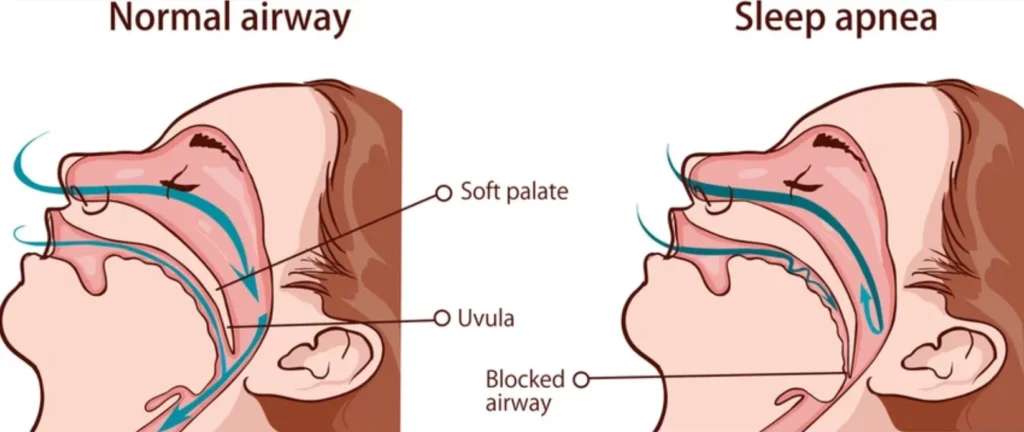
- Not all snoring is simple snoring. If you suspect sleep apnea, don’t self-treat in the dark.
- The real win is a calmer bedroom. Less resentment, fewer 2 a.m. arguments, better mornings.
Snoring is having a cultural moment. People are traveling more, showing up to work drained, and buying sleep gadgets like they’re phone upgrades. At the same time, headlines keep pointing at a bigger theme: sleep health is measurable, and sleep disruptions show up in how you feel.
That’s why the “just deal with it” approach is fading. Couples want a plan that doesn’t turn bedtime into a negotiation.
First: separate “annoying” from “concerning”
Some snoring is about position, congestion, or alcohol too close to bedtime. Other snoring can overlap with sleep-disordered breathing. Recent coverage has highlighted how sleep apnea symptoms may not be captured well by a single traditional number, and how newer analysis methods may reflect symptoms more closely.
If you want to skim the cultural context, here’s a related read: Study: AI Marker Reflects OSA Symptoms Better Than Traditional Metrics.
Red flags that deserve a clinician conversation
- Breathing pauses, choking/gasping, or “snort awake” moments
- High daytime sleepiness, morning headaches, or brain fog that won’t quit
- High blood pressure, heart concerns, or strong family history
- Partner reports: loud snoring + silence + restart pattern
Snoring products are for snoring. They are not a substitute for diagnosing or treating sleep apnea.
The decision guide: If…then… choose your next move
Use this like a flowchart. Pick the line that sounds most like your night.
If your snoring is worst on your back… then start with positioning + consider a mouthpiece
Back-sleeping can let the jaw and tongue drift, which can narrow the airway. A mouthpiece may help by encouraging a more open airway position. Pair it with a simple position change plan for faster feedback.
If travel fatigue makes your snoring spike… then focus on “first-night” fixes
Hotels, late flights, and odd pillows can turn a mild snorer into a wall-shaker. This is when couples get testy fast. A travel-ready mouthpiece can be easier than packing multiple gadgets, and it avoids the “who forgot the charger?” drama.
If your partner says the noise is killing their sleep… then treat it like a shared problem
This is the relationship lens most people skip. Snoring creates a nightly power struggle: one person wants silence, the other wants to feel accepted. A mouthpiece can be a visible “I’m taking this seriously” step, which often lowers tension even before the snoring fully improves.
If you’re in a burnout season… then prioritize consistency over hacks
Sleep trends love big rules and athlete-style routines. Real life is messier. If you’re wiped from work, the best plan is the one you’ll repeat: steady bedtime, fewer late-night stimulants, and a snoring tool you can actually tolerate.
If you want a low-tech solution that doesn’t involve an app… then look at mouthpieces
Sleep gadgets can be fun, but they can also add performance pressure. A mouthpiece is a simple, physical intervention. No dashboards. No “score anxiety.” Just a test you can run for a couple of weeks and judge by outcomes.
What an anti-snoring mouthpiece is (and what it isn’t)
An anti snoring mouthpiece is designed to reduce snoring by helping keep the airway more open during sleep. Many options aim to position the lower jaw forward or stabilize oral structures so airflow is less turbulent.
It isn’t a guarantee. Fit, comfort, and your snoring cause matter. That’s why the decision guide above starts with patterns, not promises.
Quick expectations checklist
- Best-case: noticeably quieter nights, fewer wakeups, better partner sleep.
- Common middle: snoring drops in volume and frequency, but doesn’t vanish.
- Not a match: persistent symptoms that suggest apnea, or ongoing jaw/tooth pain.
How to tell if it’s improving sleep quality (not just sound)
Snoring is easy to notice. Sleep quality is sneakier. Use a short, practical scorecard for 10–14 nights:
- How many times did either of you wake up?
- Do you feel more rested within the first hour of waking?
- Is morning dry mouth or sore throat improving?
- Any fewer “sleep in separate rooms” nights?
If you want data, keep it simple: a basic snore recording app can show trends. Don’t let metrics become another bedtime stressor.
Picking a mouthpiece: what to look for
- Comfort: you can’t benefit from what you won’t wear.
- Stability: it should stay in place through the night.
- Design match: some designs suit certain bite/jaw situations better than others.
- Clear usage guidance: easy to understand, easy to maintain.
If you’re comparing options, start here: anti snoring mouthpiece.
FAQ: quick answers people ask before they try one
Will a mouthpiece stop snoring immediately?
Sometimes you’ll notice a change fast, but it’s smarter to judge over 1–2 weeks. Your comfort and consistency matter.
What if my partner is skeptical?
Make it a time-bound trial: “Two weeks, then we review.” That reduces conflict and keeps it practical.
Can I combine it with other sleep habits?
Yes. Many people pair a mouthpiece with side-sleeping, a consistent bedtime, and cutting late alcohol. Keep changes minimal so you know what helped.
CTA: take the pressure out of bedtime
If snoring is creating friction, you don’t need another argument. You need a repeatable plan.
How do anti-snoring mouthpieces work?
Medical disclaimer: This article is for general education and does not provide medical advice. Snoring can be a symptom of obstructive sleep apnea or other health conditions. If you have breathing pauses, gasping, significant daytime sleepiness, chest pain, or cardiovascular concerns, talk with a qualified clinician for evaluation and personalized guidance.