
Before you try an anti snoring mouthpiece, run this quick checklist:
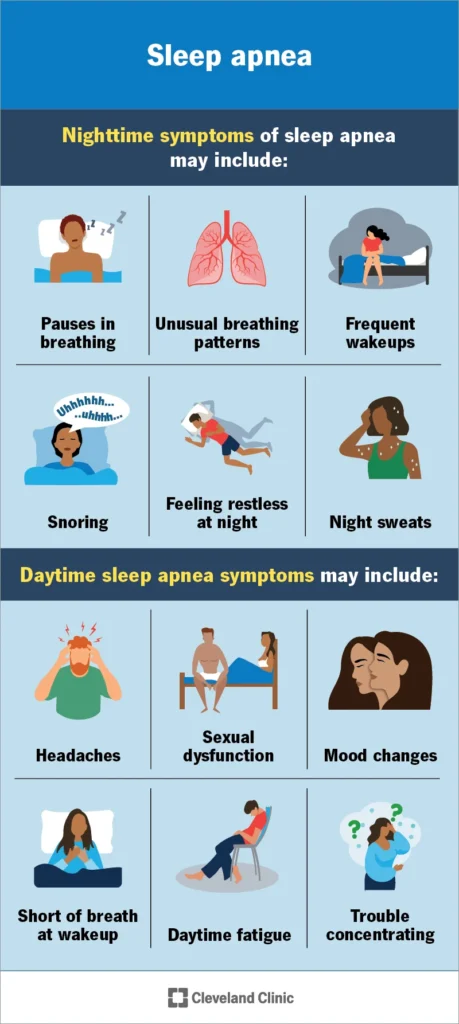
- Confirm the pattern: Is snoring nightly, only after alcohol, or mainly when you sleep on your back?
- Check the “how you feel” test: Morning headaches, dry mouth, and daytime fog matter as much as the noise.
- Ask a witness (or use an app): Do you pause breathing, gasp, or wake up startled?
- Scan your risk signals: High blood pressure, significant daytime sleepiness, or loud chronic snoring deserve screening.
- Decide what you’re solving: Relationship peace, travel fatigue, or true sleep quality. They overlap, but the plan changes.
Sleep is having a moment culturally. People are buying wearables, testing “sleep cocktails” (the non-alcohol kind), and debating the best gadget for recovery. At the same time, workplace burnout and packed travel schedules are making bad sleep feel unavoidable. Snoring sits right in the middle of all that—half health concern, half relationship comedy sketch.
Is snoring just annoying, or is it hurting sleep quality?
Snoring can be “just noise,” but it can also fragment sleep—for the snorer, the partner, or both. Even without fully waking up, micro-arousals can chip away at restorative sleep. That’s why people report feeling tired despite “getting enough hours.”
Also, snoring isn’t a perfect health alarm. Some people have sleep-disordered breathing without classic snoring. If you want a general read on that conversation, see this Europe Anti-snoring Device Market Size and Forecast 2025–2033.
Quick takeaway
If snoring comes with choking/gasping, witnessed pauses, or heavy daytime sleepiness, treat it like a screening issue first—not a shopping problem.
Why are anti-snoring devices suddenly everywhere?
Two things can be true at once: more awareness, and more marketing. Recent coverage has highlighted how broad the anti-snoring device category has become, and market forecasts suggest rising interest in Europe as well. That lines up with what many people feel right now—sleep is viewed as “performance,” not just rest.
Add travel fatigue (jet lag, hotel pillows, cramped flights), and you get a perfect storm. A mouthpiece looks like a compact fix you can toss in a carry-on. Couples also like the idea of a solution that doesn’t require separate bedrooms or nightly negotiations.
What exactly is an anti snoring mouthpiece supposed to do?
Most anti-snoring mouthpieces aim to reduce airway narrowing that leads to tissue vibration. In plain terms: they try to keep the airway more open by influencing jaw and/or tongue position while you sleep.
What it’s good for
- People whose snoring is worse on their back
- Snoring that spikes with congestion, alcohol, or exhaustion (common during busy work weeks)
- Partners who need immediate noise reduction while you pursue longer-term sleep habits
What it’s not
- A guaranteed fix for every type of snoring
- A substitute for medical evaluation when symptoms suggest sleep apnea
- Something you should “tough out” if it causes jaw or tooth pain
How do you choose a mouthpiece without making it a health risk?
Shopping fast is tempting, especially after a partner records you and plays it back like a true-crime audio clip. Slow down. A safer choice is usually the one you can wear consistently and clean properly.
Use this decision filter
- Fit and comfort: If it feels aggressive on night one, it often gets worse, not better.
- Materials and hygiene: You want something that’s easy to clean and store dry. Mouth appliances can become germ magnets if neglected.
- Jaw history: If you have TMJ symptoms, frequent jaw clicking, or dental issues, consider professional guidance before committing.
- Return policy and transparency: Favor brands that clearly explain what the device is designed to do and who should avoid it.
If you’re comparing products, start here: anti snoring mouthpiece.
What are people asking about right now (beyond “does it work”)?
Based on the current wave of sleep-content chatter—gadgets, expert roundups, and consumer reviews—people tend to circle the same practical questions:
- “Will it help my partner sleep?” Often yes if it reduces volume, but a full plan may include sleep position and bedroom setup.
- “Will I feel more rested?” You’re looking for fewer wake-ups, better morning energy, and less dryness or headache.
- “Can I use it on work trips?” Many do, but travel increases dehydration and congestion, which can change results.
- “Is it safe long-term?” Comfort, jaw health, and dental alignment matter. If problems start, don’t ignore them.
How should you track results without obsessing?
Skip the all-night data spiral. Use a simple two-week scorecard. It’s enough time to spot a trend without turning sleep into a second job.
- Snoring: partner rating (0–10) or app-based trend
- Morning: dry mouth, headache, jaw soreness
- Daytime: sleepiness, focus, mood
- Consistency: nights worn vs. skipped (comfort is the real KPI)
When is snoring a “don’t DIY this” situation?
Get professional screening if you notice breathing pauses, gasping, chest discomfort at night, or severe daytime sleepiness. Don’t wait if you have safety-sensitive work (driving, operating equipment) and feel drowsy.
Medical disclaimer: This article is for general education only and isn’t medical advice. It doesn’t diagnose, treat, or replace care from a licensed clinician. If you suspect sleep apnea or have persistent symptoms, seek a medical evaluation.
FAQ
Can an anti snoring mouthpiece help if I only snore sometimes?
It can, especially if your snoring is position-related or tied to congestion, alcohol, or overtired nights. Test it consistently and track comfort.
Is snoring always a sign of sleep apnea?
No. Snoring can be benign, and sleep apnea can occur even without snoring. If you have red-flag symptoms, get screened.
How long does it take to get used to a mouthpiece?
Adaptation varies. Many people need several nights to a few weeks. Comfort should improve, not deteriorate.
What’s the difference between a mouthpiece and nasal strips?
Nasal strips focus on nasal airflow. Mouthpieces typically target jaw/tongue position to reduce airway narrowing.
When should I stop and talk to a clinician?
Stop if you develop jaw pain, tooth pain, gum irritation, worsening headaches, or signs of breathing disruption during sleep.
Next step
If you want a clear explanation of what these devices are designed to do, start here: