
Before you try anything tonight, run this quick checklist:
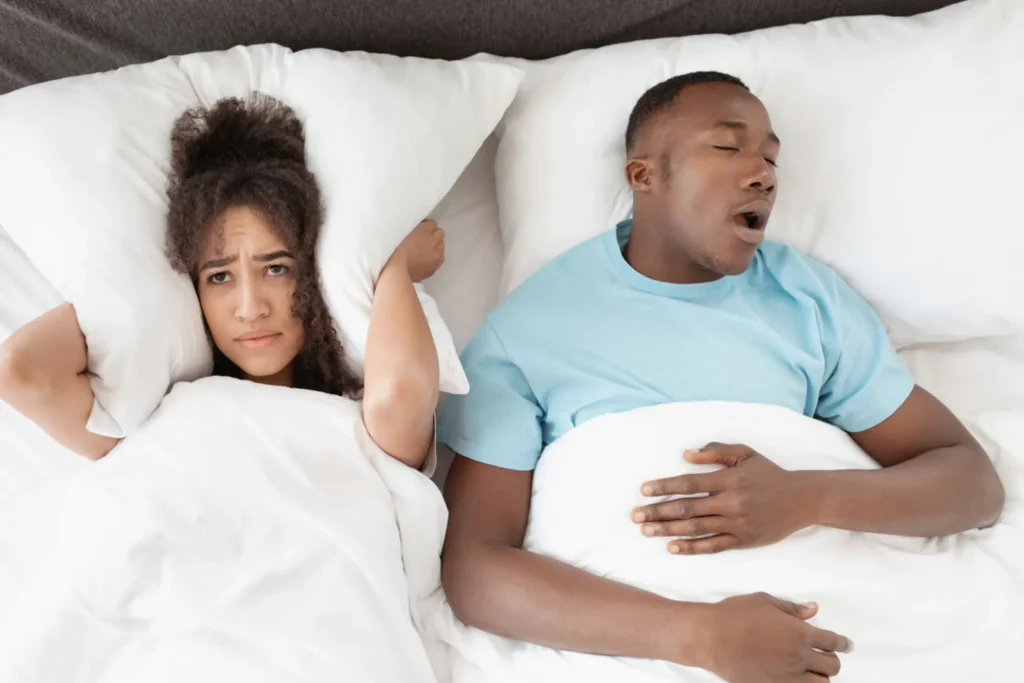
- Safety first: If you wake up gasping, feel unusually sleepy during the day, or your partner notices breathing pauses, don’t self-treat. Get evaluated for possible sleep apnea.
- Define the goal: “Less noise” is nice. “Better sleep quality for both of us” is the real win.
- Pick one lane: Either test an anti snoring mouthpiece consistently, or keep experimenting with random gadgets. Mixing everything at once muddies the results.
- Talk about it: A two-minute, non-accusatory plan beats a 2 a.m. argument.
Overview: Why snoring is trending again (and why you care)
Sleep is having a moment. People are chasing “fresh start” routines, five-minute wind-down hacks, and new wearable dashboards. At the same time, burnout, travel fatigue, and packed calendars are making sleep feel fragile.
Snoring sits right in the middle of it. It’s physical, it’s emotional, and it’s social. One person can’t “opt out” when the room sounds like a lawnmower.
Here’s the direct take: a mouthpiece can be a practical tool, but it works best when you pair it with timing and simple sleep behavior. That’s what this plan does.
Timing: When to test a mouthpiece (and when to pause)
Start on a low-stakes week
Don’t begin the first night before a big presentation, a long flight, or a family trip. Give yourself a few nights where you can adjust without pressure.
Use a 14-night trial window
One night is noise. Two weeks gives you a pattern. Track three signals: snoring volume (partner rating), how often you wake up, and how you feel at 2 p.m.
Know the stop signs
Stop and seek medical advice if you have chest pain, severe shortness of breath, choking episodes, or significant daytime sleepiness. Snoring can be linked with sleep apnea, which is a medical condition that deserves proper evaluation.
Supplies: What you need for a clean test
- A consistent bedtime window (even a 30–60 minute range helps).
- Simple tracking: notes app or paper. No need for a full “sleep lab” at home.
- Nasal support if you’re congested: saline rinse or strips, if appropriate for you.
- Your mouthpiece: choose a reputable option designed for snoring, not a random novelty item.
If you’re comparing products, start here: anti snoring mouthpiece.
Step-by-step (ICI): Identify → Choose → Implement
1) Identify your likely snoring pattern
This isn’t a diagnosis. It’s a practical sorting step.
- Back-sleeping snorer: often louder when you’re flat on your back.
- Congestion snorer: worse with allergies, colds, dry hotel air, or travel.
- Stress-and-scroll snorer: late nights, racing mind, irregular sleep timing.
2) Choose your “two-part fix”: mouthpiece + one sleep lever
Recent sleep advice often clusters into a few buckets: sleep drive, circadian rhythm, sleep hygiene, overthinking, and what you do right before bed. Pick one lever so you can tell what’s working.
If you want a general, research-minded starting point for behavior change, see Here are five behavioral and psychological tips for a fresh start toward better sleep in the new year, spanning five categories — sleep drive, circadian rhythm, sleep hygiene, overthinking and pre-bed activity. https://wapo.st/3MQgP1D.
3) Implement with a couples-proof script
Use this wording. It keeps the tone neutral.
- Snorer: “I’m testing this for two weeks. Can you rate the noise from 1–10 each morning?”
- Partner: “Yes. And I’ll tell you if I notice pauses or gasping, because that’s a health thing.”
That one exchange reduces resentment. It also turns the problem into a shared experiment.
4) Fit and comfort: make it realistic, not heroic
Follow the product instructions for fitting and cleaning. If the device is adjustable, change one setting at a time. Comfort drives consistency, and consistency drives results.
Plan for a short adaptation phase. Mild drooling or awareness can happen early on. Severe pain, jaw locking, or worsening sleep is not a “push through it” situation.
5) Add a five-minute wind-down that actually sticks
Skip the elaborate routine you’ll abandon in three days. Do this instead:
- 2 minutes: lights down, screens away.
- 2 minutes: slow breathing or a simple body scan.
- 1 minute: write tomorrow’s top three tasks to stop the mental loop.
This pairs well with a mouthpiece because it targets the “overthinking + pre-bed activity” side of sleep disruption without turning bedtime into a project.
Mistakes that waste money (and patience)
Trying three trends at once
Wearable scores, new pillows, mouth taping, supplements, and a mouthpiece—simultaneously. If you improve, you won’t know why. If you feel worse, you’ll blame the wrong thing.
Ignoring travel fatigue
Hotels are snoring multipliers: dry air, different pillows, late meals, and alcohol at conferences. Build a “travel version” of your plan: consistent bedtime range, hydration, and the same mouthpiece routine.
Turning snoring into a character flaw
Snoring is a symptom, not a personality. If the conversation turns into jokes that sting, sleep gets worse for both of you. Keep it factual and time-box the discussion.
Missing possible sleep apnea signals
Some people assume a mouthpiece is a universal fix. It isn’t. If symptoms suggest sleep apnea, a clinician should guide evaluation and treatment options.
FAQ: Fast answers people are searching right now
Is an oral appliance the same thing as a mouthguard?
Not always. Some products are designed specifically to reduce snoring by influencing jaw or tongue position. Sports mouthguards serve a different purpose.
Will a mouthpiece stop snoring immediately?
Some people notice changes quickly. Others need adjustments and a week or two to adapt. Track outcomes instead of guessing.
What about connected sleep tech and “smart” oral appliances?
Sleep gadgets are trending, including devices that can integrate into broader care systems. Data can be useful, but comfort and consistent use still matter most for day-to-day results.
Is mouth taping a good idea?
It’s a popular topic, but it’s not a one-size-fits-all solution. If you have nasal blockage or breathing issues, it may be risky or uncomfortable. When in doubt, talk with a clinician.
CTA: Make this a 14-night experiment
If snoring is affecting your sleep quality and your relationship mood, run a clean test instead of chasing every new hack. Choose one mouthpiece, pair it with one simple sleep lever, and measure results for two weeks.
How do anti-snoring mouthpieces work?
Medical disclaimer: This article is for general education and does not provide medical advice. Snoring can be associated with sleep apnea and other health conditions. If you have choking/gasping, witnessed breathing pauses, significant daytime sleepiness, or concerns about your breathing during sleep, seek evaluation from a qualified healthcare professional.