
Is your snoring wrecking your sleep quality?
Is your partner joking about moving to the couch… but not really joking?
And are you wondering if an anti snoring mouthpiece is a real fix or just another sleep gadget trend?
Yes, snoring can drag down sleep for everyone in the room. No, you don’t need to “sleepmaxx” your life with ten apps and a suitcase of gadgets to start improving it. And yes, a mouthpiece can be a practical tool—if you screen for red flags first and choose it with intent.
Overview: what’s happening with snoring and sleep right now
Sleep is having a moment. People are tracking everything, buying new wearables, and swapping “perfect routine” hacks online. At the same time, travel fatigue, late-night screens, and workplace burnout keep pushing bedtimes later and sleep quality lower.
Snoring sits right in the middle of that mess. It’s loud, social, and hard to ignore. It’s also easy to minimize until it starts affecting mood, focus, and relationships.
If you want a grounded reset, start with basics from credible voices and local experts. Here’s one useful place to begin: Local sleep specialist shares tips to wake up feeling rested.
Timing: when to try a mouthpiece—and when to pause
Good times to consider an anti-snoring mouthpiece
Try a mouthpiece when snoring is frequent, bothersome, and you want a non-surgical option. It can also make sense if you’re traveling more and hotel-room sleep is already fragile. A small device beats dragging extra pillows and “sleep tech” everywhere.
It’s also a reasonable step if your snoring is positional (worse on your back) or if nasal congestion isn’t the main driver. Comfort matters, so plan for an adjustment period.
Pause and screen first (safety-first checklist)
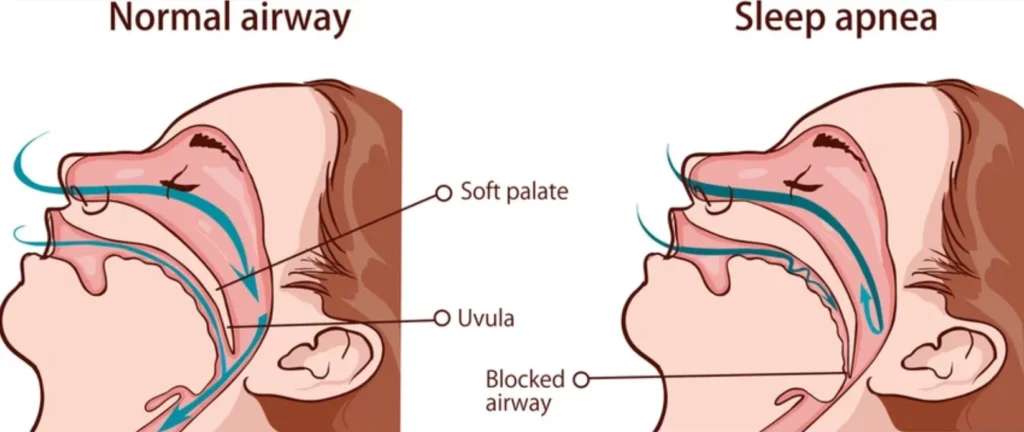
Snoring can be harmless, but it can also overlap with sleep apnea. Don’t guess if you have warning signs. Get evaluated if any of these show up:
- Choking, gasping, or pauses in breathing during sleep (often reported by a partner)
- Strong daytime sleepiness, morning headaches, or concentration problems
- High blood pressure concerns or a history of cardiometabolic risk (discuss with a clinician)
- Snoring that’s escalating quickly or paired with new symptoms
If you have jaw pain, TMJ symptoms, loose teeth, gum disease, or major dental work, talk with a dentist before using any device that shifts your bite.
Supplies: what you need before you start (and why it reduces risk)
Keep this simple. The goal is safer use, fewer mouth problems, and better follow-through.
- Anti-snoring mouthpiece: Choose a reputable option and confirm it’s intended for snoring, not sports protection.
- Storage case: Prevents contamination in bathrooms, bags, and nightstands.
- Cleaning plan: Mild soap and cool water are common starting points. Avoid harsh heat that can warp some materials.
- Phone notes or a sleep log: Document what you changed and what happened. This helps you avoid random “sleepmaxxing” tweaks.
- Partner feedback (if relevant): A simple 1–10 snore rating can be more useful than obsessing over app graphs.
If you’re shopping, compare comfort features and adjustability. Here’s a starting point for browsing: anti snoring mouthpiece.
Step-by-step (ICI): Identify → Choose → Implement
1) Identify: what problem are you solving?
Write down the actual issue in one sentence. Examples: “My snoring wakes my partner three nights a week,” or “I wake up unrefreshed after long workdays and snore more when I’m stressed.”
Then note your biggest constraint: travel, budget, jaw sensitivity, or gag reflex. This single step prevents buying a device you’ll abandon in a week.
2) Choose: pick a device strategy you can tolerate
Many anti-snoring mouthpieces aim to reduce snoring by changing jaw or tongue position to keep the airway more open. The best choice is the one you can wear consistently without pain.
Decision filter (fast):
- Comfort first: If it hurts, you won’t use it.
- Fit method: Follow the product’s fitting instructions closely.
- Adjustability: Small changes can matter for comfort and effectiveness.
- Dental considerations: If you have dental instability, get guidance first.
3) Implement: a two-week trial that’s not chaotic
Run a clean experiment for 14 nights. Don’t change five other things at once. Keep caffeine timing, alcohol, and bedtime roughly steady.
- Night 1–3: Wear the mouthpiece for a shorter window if needed, focusing on comfort and fit.
- Night 4–7: Use it for the full night. Track snoring reports and how you feel in the morning.
- Week 2: Continue nightly use. Watch for jaw soreness, tooth discomfort, dry mouth, or gum irritation.
- End of trial: Decide based on outcomes: less snoring, better sleep quality, tolerable comfort.
Document choices: Note the date you started, the fit setting (if adjustable), and any symptoms. If you later talk with a dentist or clinician, that record speeds up the conversation.
Mistakes that waste money (and can create mouth problems)
Chasing tracking data instead of sleep
Sleep tracking is everywhere, but it can also make people anxious and hyper-focused. If the numbers make you spiral, simplify. Use one or two signals that matter: partner-reported snoring and your daytime energy.
Ignoring pain signals
Jaw pain, tooth pain, or bite changes aren’t “normal adjustment.” Mild discomfort can happen early on, but sharp pain is a stop sign. Don’t power through.
Skipping hygiene and storage
A mouthpiece lives in your mouth for hours. Treat it like a personal care device, not a loose item on the nightstand. Clean it routinely and store it dry in a case.
Using a mouthpiece to mask red-flag symptoms
If you suspect sleep apnea, a mouthpiece purchase should not delay evaluation. Loud snoring plus breathing pauses or major daytime sleepiness deserves medical attention.
FAQ: quick answers people ask before buying
Does an anti-snoring mouthpiece help sleep quality?
It can, especially if snoring is disrupting sleep continuity. Better sleep often shows up as fewer awakenings and improved morning alertness.
Will it fix snoring caused by a cold or allergies?
Sometimes snoring is mainly nasal congestion. In that case, addressing congestion may matter more than a mouthpiece.
What if my partner still hears noise?
Aim for “better,” not “perfect,” in week one. If snoring stays loud after a consistent trial, reassess fit and consider screening for underlying causes.
CTA: one simple next step
If your goal is fewer noisy nights without turning bedtime into a full-time project, start with a safe, documented trial. Screen for red flags, then test one change at a time.
How do anti-snoring mouthpieces work?
Medical disclaimer: This article is for general education only and is not medical advice. Snoring can be associated with sleep apnea and other health conditions. If you have choking/gasping, breathing pauses, significant daytime sleepiness, or persistent symptoms, seek evaluation from a qualified clinician or dentist.