
On a red-eye flight, an anonymous traveler dozes off for 20 minutes. The cabin gets quiet. Then the snoring starts—loud enough that a stranger jokes, “Someone’s sleep gadget is set to ‘concert mode.’” The laugh lands, but the next morning feels rough: dry mouth, foggy focus, and the kind of irritability that makes emails look personal.
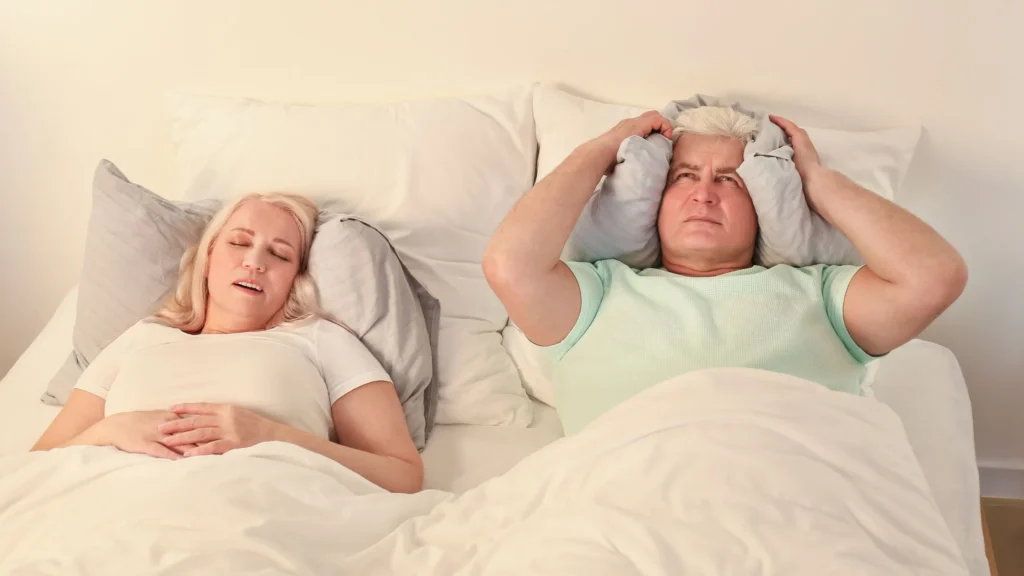
That little scene is why snoring is getting so much attention right now. Sleep tech is everywhere, burnout is a real workplace theme, and people are trying to protect their mental health with better routines. Meanwhile, health headlines keep reminding us that snoring can be more than a relationship punchline. It can also be a clue that your sleep quality—and sometimes your health—needs a closer look.
Overview: What snoring is really doing to your sleep
Snoring happens when airflow gets turbulent as you breathe during sleep. That vibration can be “just noise,” or it can show up alongside obstructive sleep apnea (airway blockage) or central sleep apnea (breathing control issues). The difference matters, and severity matters even more.
Even when it’s not apnea, snoring often pairs with lighter sleep, more awakenings, and a partner who sleeps with one ear open. Over time, that can feed a cycle: worse sleep, higher stress, more evening habits that worsen snoring (late meals, alcohol, inconsistent bedtimes), and then even worse sleep.
Snoring also sits in the same conversation as heart health in many medical discussions. If you want a general, high-level explainer that connects the dots, see this related coverage via How Weight Loss Can Help Your Sleep Apnea.
Timing: When to try a mouthpiece—and when to screen first
If snoring is occasional and tied to clear triggers (travel fatigue, nasal congestion, sleeping on your back, a few drinks), a conservative trial can make sense. That’s where an anti snoring mouthpiece often enters the chat. It’s a low-friction experiment compared with many other options.
But don’t “DIY your way” past warning signs. Consider screening with a clinician if you notice:
- Pauses in breathing, choking, or gasping during sleep
- Strong daytime sleepiness, morning headaches, or mood changes
- High blood pressure, heart concerns, or snoring that suddenly escalates
- A partner reports repeated stop-start breathing
Weight can be part of the picture for some people with obstructive sleep apnea, and weight loss is often discussed as one helpful lever. Still, it’s rarely the only lever. Think of it as one potential contributor, not a moral scorecard.
Supplies: What you need for a safe, low-drama trial
Before you start, set yourself up to reduce avoidable risks and to make a fair comparison night to night.
What to gather
- A mouthpiece you can fit and clean properly (avoid mystery products)
- Mild soap or cleaner per product directions, plus a ventilated case
- A way to track results: notes app, sleep tracker, or partner feedback
- A baseline week: bedtime, alcohol, congestion, and snoring intensity
Safety and screening checklist (quick)
- If you have TMJ issues, loose teeth, gum disease, or major dental work: ask a dentist first
- If you suspect sleep apnea: consider a sleep evaluation before self-treating
- If you share a bed: agree on a simple “snore score” so you’re not guessing
Step-by-step (ICI): Identify → Choose → Implement
This is the cleanest way to test an anti-snoring approach without turning your bedroom into a gadget lab.
1) Identify your likely snoring pattern
Use 7 nights of notes. Keep it simple: bedtime, wake time, alcohol (yes/no), congestion (yes/no), sleep position, and how you felt in the morning.
If snoring spikes after late nights, stress weeks, or travel, you’re not alone. “New year, new sleep” behavior tips often focus on sleep drive, circadian rhythm, wind-down habits, and overthinking. Those areas can also reduce the conditions that make snoring worse.
2) Choose the mouthpiece approach that matches your goal
Most anti-snoring mouthpieces aim to improve airflow by adjusting jaw or tongue position. Your best choice depends on comfort, fit, and whether you can actually keep it in all night.
If you’re comparing products, start with a clear category search and narrow down. Here are anti snoring mouthpiece to review so you can match features to your needs.
3) Implement like a controlled experiment
- Night 1–2: Wear it for short periods before sleep to get used to it.
- First week: Keep other variables steady (alcohol, bedtime, pillows).
- Track outcomes: Snoring intensity, awakenings, dry mouth, jaw comfort, and morning energy.
- Re-check fit: Minor discomfort can happen early; sharp pain is a stop sign.
Document what you’re doing. If you later talk to a dentist or sleep clinician, your notes help. They also protect you from “I think it helped?” confusion.
Mistakes people make (and how to avoid them)
Assuming snoring is only a noise problem
Relationship humor is easy: “I sleep with a white-noise machine; my partner sleeps with a chainsaw.” Still, persistent loud snoring plus symptoms can signal a sleep-breathing disorder. Don’t ignore the combo of snoring and daytime impairment.
Switching five things at once
If you add a mouthpiece, new pillow, mouth tape, nasal strips, and magnesium all in the same week, you won’t know what worked. Change one main variable at a time.
Forcing a painful fit
Jaw soreness that fades can be normal early on. Ongoing pain, tooth pain, bite changes, or headaches are not “power through it” situations. Stop and get guidance.
Skipping cleaning and storage
This is the unglamorous part that reduces infection risk. Clean it as directed, let it dry, and store it in a ventilated case. Replace it on schedule.
FAQ: Quick answers people are searching for
Does an anti snoring mouthpiece cure sleep apnea?
No. It may reduce snoring and can help some people with mild obstructive sleep apnea under professional guidance. If you suspect apnea, get evaluated.
What if I snore more when I’m stressed?
Stress can worsen sleep quality and increase light sleep and tension. A consistent wind-down and stable sleep schedule often helps, and it makes mouthpiece testing clearer.
Can weight loss affect snoring?
For some people, yes—especially when excess weight contributes to airway narrowing. It’s one factor among many, and results vary.
CTA: Get a clear next step (without overcomplicating it)
If snoring is hurting your sleep quality, try a structured, safe trial. Keep notes, watch for red flags, and don’t treat serious symptoms like a gadget problem.
How do anti-snoring mouthpieces work?
Medical disclaimer: This article is for general education only and is not medical advice. It does not diagnose, treat, or replace care from a licensed clinician. If you suspect sleep apnea or have significant symptoms (gasping, breathing pauses, chest symptoms, severe sleepiness, or uncontrolled blood pressure), seek professional evaluation.