
On the third night of a work trip, “Ben” did the classic move: he tried to fix his snoring with a new sleep gadget he saw online. A ring, an app, a fancy pillow—anything to stop the jokes from his partner and the side-eye from the hotel hallway. By morning, he had charts, scores, and zero extra energy.
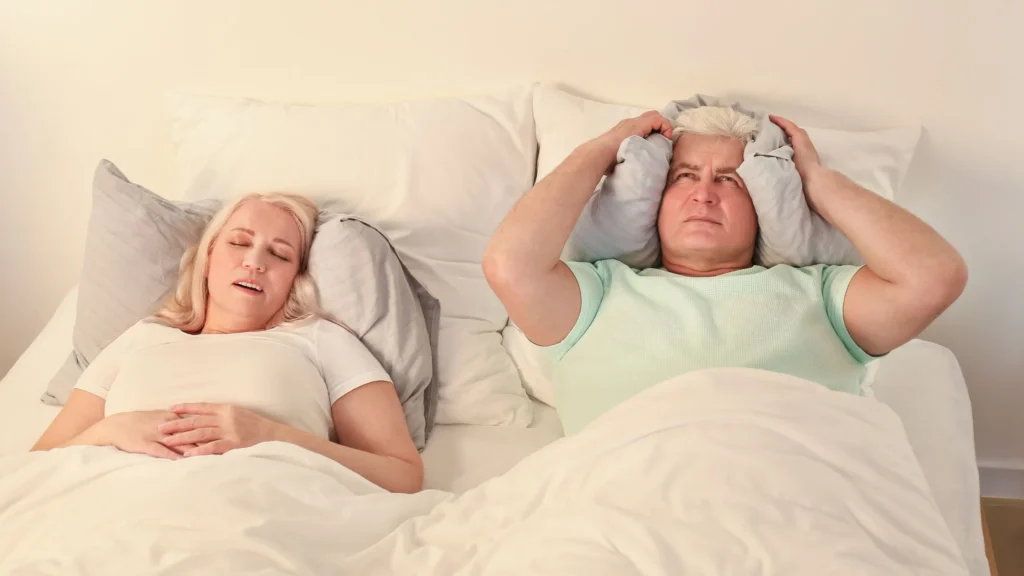
That’s the mood right now. People want better sleep quality, fast. But the conversation is shifting from “snoring is annoying” to “snoring might be a signal,” especially as more articles highlight sleep apnea, heart health, and the need for a more complete assessment instead of a single score.
Overview: snoring isn’t just noise, it’s airflow
Snoring happens when airflow gets turbulent as you breathe during sleep. Your throat tissues can vibrate, especially when muscles relax and the airway narrows. Alcohol, congestion, sleep position, and fatigue from travel can all turn the volume up.
An anti snoring mouthpiece is designed to reduce that airflow resistance. Many styles gently hold the lower jaw forward or help keep the mouth closed, which can support steadier breathing for some sleepers.
Important: loud snoring can overlap with obstructive sleep apnea (OSA). OSA involves repeated breathing disruptions, not just sound. Recent medical discussions also emphasize using multiple tools—symptoms, history, and structured rating scales—rather than assuming one metric tells the whole story.
Timing: when to try a mouthpiece vs. when to get checked
If snoring is new, louder than usual, or tied to a life change (weight gain, burnout, new meds, heavy travel), start with a simple timeline. Ask: “When did this begin, and what changed?” That context matters.
Good times to trial an anti-snoring mouthpiece
- Snoring is frequent, but you wake up feeling mostly okay.
- Your partner reports noise, not breathing pauses.
- Snoring is worse on your back or after alcohol.
- You want a low-tech option before buying more gadgets.
Don’t delay an evaluation if any red flags show up
- Choking, gasping, or witnessed breathing pauses during sleep.
- Severe daytime sleepiness, morning headaches, or concentration issues.
- High blood pressure or heart concerns.
- Snoring plus unexplained mood changes or “I slept, but I’m wrecked.”
If you want a quick overview of warning signs, see this reference on Rating Scales for Obstructive Sleep Apnea Syndrome: The Importance of a Comprehensive Assessment.
Supplies: what you actually need (keep it simple)
- Anti-snoring mouthpiece (the right type for your situation)
- A mirror and good lighting for first-time fitting
- A place to store it dry and clean
- Optional: a soft chin strap if mouth-opening is your main issue
If you’re looking for a combined option, consider an anti snoring mouthpiece. Some people like the “two-levers” approach: jaw position plus keeping the mouth from dropping open.
Step-by-step (ICI): Identify → Choose → Integrate
1) Identify your snoring pattern (3 quick checks)
- Position: Is it worse on your back?
- Nose vs. mouth: Do you wake with a dry mouth (often mouth-breathing)?
- Daytime: Are you tired despite “enough hours”?
2) Choose the right approach for your likely driver
- Mouth-breathing: A mouthpiece plus chin support may help reduce open-mouth snoring.
- Jaw/tongue collapse: A mandibular-advancement style can help some people by supporting airway space.
- Mostly nasal congestion: A mouthpiece may not address the root cause. Nasal hygiene and allergy management can matter more.
3) Integrate it without wrecking your sleep
- Night 1–3: Use it for shorter stretches if needed. Focus on comfort and fit.
- Week 1: Track two things only: partner-reported noise and how you feel at midday.
- Week 2: Reassess. If snoring is unchanged and fatigue is high, move toward a clinical conversation.
Tip: don’t let app data become a second job. Sleep trends are fun until they raise your stress, which can also harm sleep quality.
Mistakes that make mouthpieces “fail” (when it’s actually the setup)
Chasing the tightest fit
More pressure isn’t better. An overly aggressive jaw position can cause soreness and reduce compliance. Comfort drives consistency.
Ignoring daytime sleepiness
Relationship humor about snoring is common, but persistent exhaustion isn’t a punchline. If you’re nodding off in meetings or feeling unsafe while driving, treat that as a medical flag.
Expecting one tool to fix every sleep problem
Burnout, late-night screens, alcohol, and irregular schedules can all fragment sleep. A mouthpiece can reduce snoring, but it can’t replace sleep basics.
Skipping dental reality checks
If you have significant jaw pain, dental instability, or ongoing gum issues, get advice before using an oral appliance. Comfort and safety come first.
FAQ: quick answers people ask right now
Do anti-snoring mouthpieces work for everyone?
No. They often help with simple snoring, but they may not be enough for obstructive sleep apnea or nasal blockage. If you have red-flag symptoms, get evaluated.
What’s the difference between snoring and sleep apnea?
Snoring is noise from airflow resistance. Obstructive sleep apnea involves repeated breathing interruptions during sleep and can affect health beyond sleep quality.
How long does it take to get used to an anti-snoring mouthpiece?
Many people adjust over several nights to a couple of weeks. Mild jaw or tooth soreness can happen early and should not worsen over time.
Can weight loss reduce snoring or sleep apnea?
It can help for some people, especially when excess weight contributes to airway narrowing. It’s not a guaranteed fix, and you still may need targeted treatment.
Is a mouthpiece safe if I have TMJ or dental issues?
It depends. If you have significant jaw pain, loose teeth, gum disease, or major dental work, talk with a dental professional before using one.
When should I talk to a clinician about snoring?
If you have choking/gasping at night, witnessed breathing pauses, severe daytime sleepiness, high blood pressure, or heart concerns, get assessed for sleep apnea.
CTA: make your next night easier (not more complicated)
If snoring is dragging down your sleep quality—or your partner’s—start with a simple, consistent trial and watch how you feel during the day. If red flags show up, prioritize a proper evaluation.
How do anti-snoring mouthpieces work?
Medical disclaimer: This article is for general education only and is not medical advice. Snoring can be a sign of obstructive sleep apnea or other health conditions. If you have severe sleepiness, breathing pauses, chest symptoms, or concerns about heart health, seek evaluation from a qualified clinician.