
Is snoring getting louder—or are you just more tired? Is an anti snoring mouthpiece worth it, or is it another “sleep gadget” trend? And why does your sleep quality feel worse after travel, stress, or burnout?
Yes, snoring is having a moment in the wider wellness conversation. Between wearable sleep scores, smart rings, “sleep tourism,” and the very real drag of workplace burnout, people are paying attention. Add relationship humor about “who stole the blankets” and you’ve got a topic that’s both serious and very, very common.
This guide answers those three questions with a practical plan: where mouthpieces fit, when to focus your effort, what you’ll need, and how to avoid the most common pitfalls.
Overview: Why snoring and sleep quality are in the spotlight
Snoring isn’t just a punchline. It can fragment sleep for the snorer and anyone within earshot. That means worse next-day focus, more irritability, and that familiar “I slept, but I’m not rested” feeling.
At the same time, the anti-snoring space is expanding. You’ll see more coverage of device categories and market growth, especially in Europe, alongside consumer roundups of popular anti-snore products. If you want a broad, headline-level snapshot of that trend, see this related coverage: Europe Anti-snoring Device Market Size and Forecast 2025–2033.
One important nuance from recent mainstream health discussions: you can have sleep apnea even if you don’t snore. So a “quiet night” doesn’t always equal a healthy night.
Timing: When to tackle snoring for the biggest payoff
If you want better sleep quality fast, timing matters more than people think. Not “timing” like a complicated biohack schedule. Timing like choosing the moments when snoring is most likely to spike.
Pick your two highest-impact windows
- After travel: jet lag, dry hotel air, and unfamiliar sleep positions can make snoring feel worse.
- During high-stress weeks: burnout often changes routines—later meals, more screen time, less consistent sleep—so snoring gets more opportunities.
Do a 7-night “real life” check-in
Instead of chasing a perfect night, track one normal week. Note what changed on snore-heavy nights: alcohol, congestion, sleeping on your back, or a later bedtime. This keeps you from blaming the wrong thing (including the device).
Supplies: What you need before you try a mouthpiece
You don’t need a drawer full of gadgets. Start with a simple kit so you can tell what’s helping.
- One approach to test: for this article, that’s an anti snoring mouthpiece.
- A way to observe: partner feedback, a simple audio recording, or a snore-tracking app (treat the scores as estimates, not medical truth).
- Basic sleep supports: consistent bedtime, side-sleep support (pillow), and hydration.
If you’re researching options, start here for a product-category overview: anti snoring mouthpiece.
Step-by-step (ICI): Identify → Choose → Integrate
This is the no-drama way to test whether a mouthpiece belongs in your routine.
1) Identify your likely snoring pattern
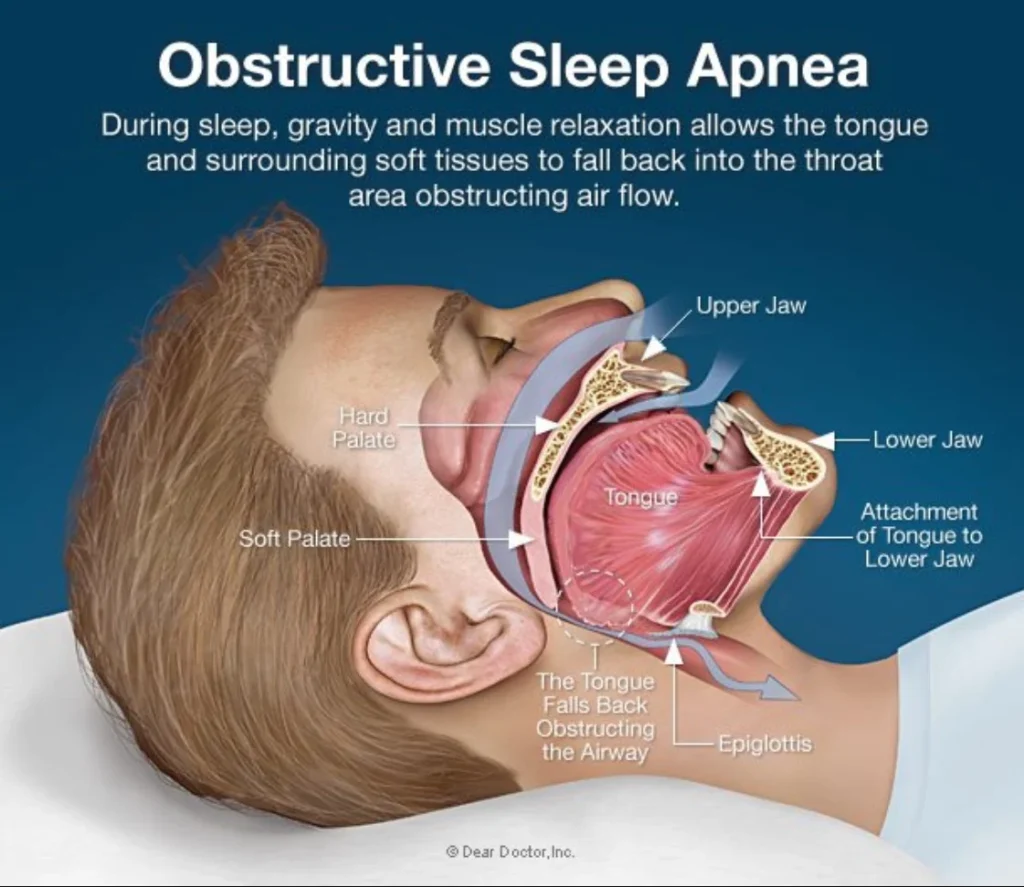
Snoring often gets louder when airflow becomes more turbulent. Common triggers include sleeping on your back, nasal congestion, and relaxing throat tissues. You don’t need to diagnose the cause. You do need to notice patterns.
- Mostly back-sleeping? You may benefit from positioning plus a device.
- Mostly congested? Address nasal comfort and room humidity first, then reassess.
- Partner reports choking/gasping or pauses? Treat that as a medical flag, not a gadget problem.
2) Choose a mouthpiece approach that matches your comfort
Many anti-snoring mouthpieces aim to reduce snoring by changing jaw position or stabilizing the tongue. Comfort and fit matter because you can’t benefit from something you won’t wear.
Keep your expectations realistic: a mouthpiece is not a full sleep-health lifestyle. It’s one tool that may reduce snoring volume and improve sleep continuity for some people.
3) Integrate it into a repeatable bedtime routine
Most people fail here, not because the device is “bad,” but because the routine is chaotic. Use the same sequence for a week:
- Wind down: dim lights, cut intense scrolling, and set a consistent lights-out target.
- Prep: clean the mouthpiece as directed and place it where you’ll actually use it.
- Position: start on your side if that’s when snoring is typically quieter.
- Review: in the morning, note comfort (jaw, teeth, dryness) and snoring feedback.
If you’re using sleep wearables, treat their “sleep score” like a weather report. It’s helpful context, not a diagnosis.
Mistakes that sabotage results (and relationships)
Snoring is a shared-sleep problem, so small mistakes get noticed fast. These are the big ones.
Expecting instant perfection
A mouthpiece may take an adjustment period. If you quit after one weird night, you learn nothing.
Changing five things at once
New pillow, new device, new supplement, new bedtime, new app. Now you can’t tell what worked. Change one major variable per week when possible.
Ignoring discomfort signals
Jaw soreness, tooth pain, or bite changes are not “normal grit.” Stop and get guidance if symptoms persist.
Missing the bigger red flags
Loud snoring can be simple snoring, but it can also coexist with sleep apnea. And apnea can show up without snoring at all. If you have excessive daytime sleepiness, morning headaches, or witnessed breathing pauses, prioritize a clinical evaluation.
FAQ: Quick answers people are searching right now
Is snoring always a health problem?
No. It can be benign. But frequent, loud snoring can still wreck sleep quality, and it can be associated with sleep-disordered breathing in some people.
Do sleep gadgets actually help?
Some help you notice patterns. Fewer directly reduce snoring. Devices that address airflow mechanics (like certain mouthpieces) may help more than trackers alone.
What if my partner says it’s worse when I’m stressed?
That’s common. Stress can disrupt sleep depth and routine consistency, which can amplify snoring triggers.
CTA: Make the next step easy
If you want a practical starting point, focus on comfort, consistency, and one-week tracking. Then decide based on real nights, not wishful thinking.
How do anti-snoring mouthpieces work?
Medical disclaimer: This article is for general education only and is not medical advice. It does not diagnose, treat, or cure any condition. If you suspect sleep apnea or have persistent symptoms (gasping, breathing pauses, severe daytime sleepiness, chest pain, or significant jaw/tooth pain), seek care from a qualified clinician or dental professional.