
Before you try an anti snoring mouthpiece, run this quick checklist:
- Track the pattern for 7 nights: snoring volume, wake-ups, morning headaches, dry mouth, and daytime sleepiness.
- Check for red flags: choking/gasping, witnessed breathing pauses, high blood pressure, or falling asleep unintentionally.
- Audit your “sleep disruptors”: alcohol close to bedtime, late heavy meals, congestion, and travel fatigue.
- Sanitation plan: daily cleaning and dry storage to reduce mouth irritation and germ buildup.
- Document your choice: what you tried, when you started, and what changed—useful if you need medical follow-up.
What people are talking about right now (and why it matters)
Snoring is having a moment in the broader “sleep health” conversation. It’s showing up in gadget culture, wellness trends, and the very real burnout talk happening at work. People are comparing wearables, bedroom upgrades, and mouthpieces the same way they compare standing desks.
It’s also showing up in relationship humor—because a loud night can turn into two tired people and one quiet grudge. Add travel fatigue, irregular schedules, and stress, and snoring becomes a nightly headline in a lot of homes.
On the clinical side, dentistry is increasingly part of the sleep conversation. You’ll see more references to airway-focused dental care and breathing health in local news and practice updates. If you want a general example of that trend, see this coverage on Creative Smiles Dentistry Advances Airway Dentistry to Address Sleep and Breathing Health in Tucson.
What matters medically: snoring vs. sleep quality vs. sleep apnea
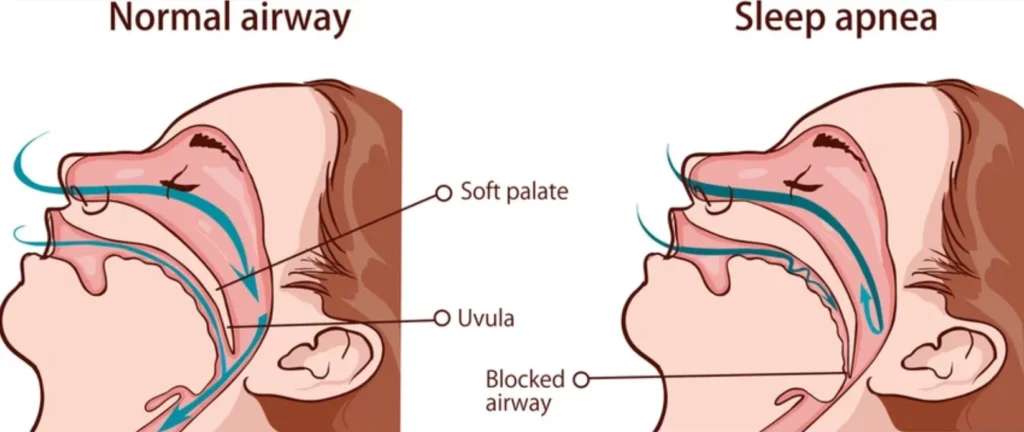
Snoring is noise from vibration in the upper airway. Sometimes it’s “just” snoring. Other times it’s a sign your breathing is being restricted during sleep. That’s where sleep quality can take a hit—even if you don’t fully wake up.
Key point: you can’t confirm or rule out sleep apnea by vibe-checking your snore. You screen it with symptoms, and you confirm it with a sleep test ordered by a clinician.
Signals that deserve extra caution
- Someone notices breathing pauses, choking, or gasping
- You wake with headaches, a sore throat, or a very dry mouth most mornings
- You feel unrefreshed despite “enough” hours
- You have high blood pressure or significant daytime sleepiness
Also note: health news often highlights how nighttime habits can affect long-term risk. You don’t need scary headlines to act on basics. Protecting sleep is a practical risk-reduction move.
How to try at home (without turning it into a nightly experiment)
If your main goal is less snoring and better rest, keep the trial simple. Pick one change at a time and measure it. Otherwise, you’ll never know what helped.
Step 1: Make the “snore log” boring and consistent
Use notes on your phone. Track: bedtime, alcohol (yes/no), congestion (yes/no), sleep position, and a 1–10 morning energy score. Add one line from your partner if applicable. This keeps the process objective.
Step 2: Decide if a mouthpiece is a reasonable first tool
An anti snoring mouthpiece is typically used to help keep the airway more open by influencing jaw and tongue position during sleep. It’s often considered when snoring is position-related (worse on the back) and when lifestyle fixes alone aren’t cutting it.
If you want a product-style option that combines two common approaches, you can review an anti snoring mouthpiece. Keep expectations realistic: comfort, fit, and consistency decide results.
Step 3: Do a safety-first fit and comfort check
- Start gradual: wear it briefly before sleep to reduce “foreign object” wake-ups.
- Watch your jaw: mild soreness can happen early; persistent pain is a stop sign.
- Don’t force it: aggressive advancement can backfire with headaches or bite issues.
Step 4: Hygiene and infection-risk basics
Mouthpieces live in a warm, moist environment. Clean it daily per the product instructions, let it dry fully, and store it in a ventilated case. Replace it if it cracks, warps, or starts to smell despite cleaning.
Step 5: Stack the easy wins
- Side-sleep support: a body pillow can reduce back-sleeping without drama.
- Nasal comfort: address congestion so you’re not forced into mouth-breathing.
- Travel reset: after trips, give yourself 2–3 nights of consistent timing before judging any device.
When to seek help (and what to bring to the appointment)
Get medical guidance if you have red-flag symptoms, significant daytime sleepiness, or your partner reports breathing pauses. If you’re in a system that requires documentation for benefits or workplace accommodations, organized notes help. Keep it factual and time-stamped.
Bring:
- Your 7–14 day snore log
- A list of what you tried (mouthpiece, position changes, alcohol timing)
- Any recordings (optional) and partner observations
- Medication list and relevant health history
Depending on your situation, a clinician may discuss sleep testing and treatment options. Dentists who focus on airway and sleep-related breathing may also be part of the referral path, especially for oral appliance discussions.
FAQ
Is snoring always a problem if I feel “fine”?
Not always, but it can still disrupt sleep quality for you or your partner. If there are red flags or persistent fatigue, treat it as a health signal, not just a noise issue.
Can I use a mouthpiece if I have dental work or TMJ issues?
Be cautious. If you have jaw disorders, loose teeth, or significant dental work, it’s smart to ask a dentist before using an appliance that changes jaw position.
How do I know if it’s working?
Use simple metrics: fewer awakenings, improved morning energy, and reduced partner complaints. If you can, compare a few nights of recordings before and after.
CTA: make your next step simple
If you want a straightforward starting point, focus on one tool and one tracking method for two weeks. That’s enough time to learn whether a mouthpiece is helping or just adding friction to bedtime.
How do anti-snoring mouthpieces work?
Medical disclaimer: This article is for general education and does not provide medical advice, diagnosis, or treatment. If you suspect sleep apnea or have concerning symptoms (gasping, breathing pauses, severe sleepiness, chest pain, or high blood pressure), seek care from a qualified clinician.