
Myth: If a sleep hack is trending, it must be safe and effective.
Reality: Viral fixes can skip the boring parts that matter: comfort, fit, and knowing when snoring is a red flag. Recent chatter has even included experts raising Scientists warn against viral nighttime mouth-taping trend. That’s your cue to slow down and pick a plan you can actually stick with.
This guide focuses on sleep quality, snoring, and the practical basics of using an anti snoring mouthpiece. No drama. Just a setup you can test safely and consistently.
Quick overview: where mouthpieces fit in today’s sleep talk
Sleep is having a moment. People are buying trackers, trying “sleep stack” gadgets, and searching for anything that helps after travel fatigue or a burnout-heavy workweek. Meanwhile, couples are still negotiating the nightly soundtrack with relationship-level humor.
An anti-snoring mouthpiece sits in the “simple tool” category. It’s not a full lifestyle overhaul. It’s a positioning device that may reduce snoring for some sleepers, especially when jaw or tongue position plays a role.
Timing: when to start, when to pause, when to get checked
Start when you can run a 7–14 night test
One night doesn’t tell you much. Pick a window without major travel, late shifts, or big social weekends. Consistency helps you judge results.
Pause if you feel worse, not “adjusting”
Some mild drooling or oddness can happen early on. Sharp pain, strong headaches, or tooth pain is a stop sign. Comfort is part of effectiveness.
Get evaluated if symptoms point beyond simple snoring
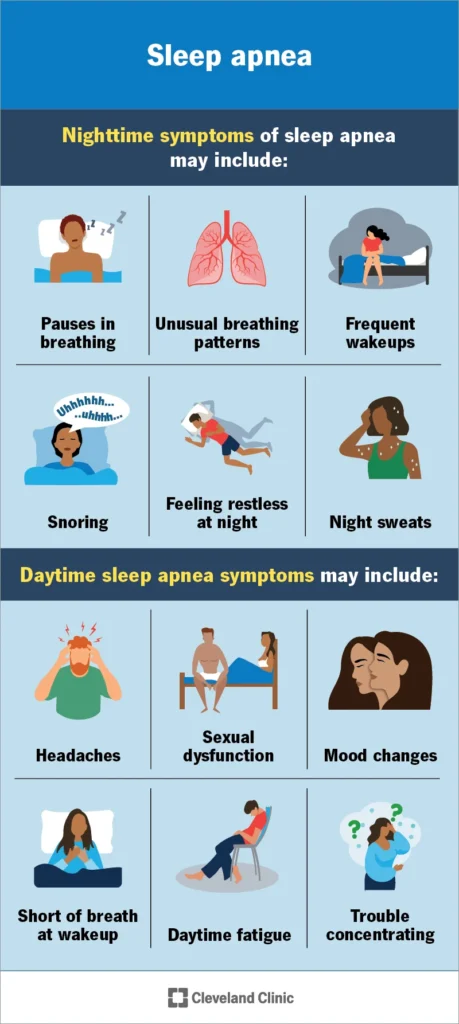
Snoring can overlap with sleep apnea. Commonly missed signs people talk about include loud regular snoring, waking up choking or gasping, and significant daytime sleepiness. If that sounds familiar, a clinician can help you sort out what’s going on.
Supplies: what you’ll want on the nightstand
- Your mouthpiece and its case
- Mirror (first few nights)
- Toothbrush + mild soap (or cleaner recommended by the manufacturer)
- Water for rinsing
- Optional: nasal saline spray if dryness is an issue (not a requirement)
If you’re still shopping, compare anti snoring mouthpiece by fit style, adjustability, and cleaning ease. The “best” one is usually the one you can tolerate night after night.
Step-by-step (ICI): a simple mouthpiece routine that sticks
ICI here means Insert → Check → Improve. It keeps you from overcorrecting on night one.
I — Insert (set up for comfort first)
Wash your hands and rinse the mouthpiece. If it’s moldable, follow the exact heating and molding directions for your model. Don’t freestyle it.
Seat it gently. Your goal is stable contact, not maximum force. If you clench to “make it work,” the fit needs adjustment.
C — Check (run a quick 60-second self-audit)
- Jaw: Do you feel pressure or pain?
- Teeth/gums: Any pinching or sharp spots?
- Lips: Can they rest comfortably?
- Breathing: Do you feel blocked or panicky?
If something feels wrong, don’t “tough it out.” Re-seat it, re-mold it (if applicable), or stop and troubleshoot in the morning.
I — Improve (small changes over several nights)
Track two things: snoring feedback (partner, app, or your own wake-ups) and how you feel the next day. If your device is adjustable, make small changes and give each setting a few nights.
Pair it with one sleep habit upgrade. The easiest win is often less late-night scrolling. A calm wind-down beats a midnight doom-scroll every time.
Mistakes people make (especially after seeing trendy “sleep hacks”)
1) Chasing extremes on night one
Maxing out advancement or forcing a fit can backfire. Slow progress usually wins here.
2) Ignoring dryness and irritation
Dry mouth and sore spots reduce adherence. Rinse, clean daily, and address rough edges per the product instructions. If irritation persists, stop and ask a dental professional.
3) Treating snoring like a joke when the body is struggling
Relationship humor is real, but persistent loud snoring plus daytime fatigue isn’t just “annoying.” It can be a signal to get screened for sleep-disordered breathing.
4) Skipping cleanup (then blaming the device)
A dirty mouthpiece can smell bad and feel gross fast. Clean it daily and let it dry fully before storing.
FAQ: fast answers on mouthpieces, sleep quality, and safety
Can a mouthpiece replace medical care for sleep apnea?
It shouldn’t. If you suspect sleep apnea, get evaluated. Some oral devices are used under professional guidance, but that’s a different pathway than self-treating snoring.
What if my partner says I still snore sometimes?
Occasional snoring can happen with alcohol, congestion, or back-sleeping. Look for a trend across a week, not a single night.
Will it help with travel fatigue?
It may help reduce snoring when you’re sleeping in a new place, but travel also disrupts timing and sleep depth. Keep expectations realistic and focus on consistency.
CTA: learn the basics before you buy
If you want a clear, non-trendy explanation of what these devices do and why fit matters, start here:
How do anti-snoring mouthpieces work?
Medical disclaimer: This article is for general education only and is not medical advice. Snoring can have many causes, including conditions that require diagnosis and treatment. If you have choking/gasping during sleep, chest pain, severe daytime sleepiness, or concerns about sleep apnea, talk with a qualified clinician.