
Before you try an anti snoring mouthpiece, run this quick checklist:
- Pattern: Is the snoring most nights, or only after alcohol, allergies, or travel fatigue?
- Impact: Are you waking up unrefreshed, or is your partner doing the “pillow relocation” routine?
- Red flags: Any choking/gasping, morning headaches, or heavy daytime sleepiness?
- Mouth basics: Do you have loose dental work, gum issues, or jaw pain?
- Plan: Are you willing to test for 10–14 nights and track results?
Sleep is having a moment right now. People are buying sleep gadgets, comparing “science-backed” tips, and trying to recover from burnout and constant travel. Snoring sits right in the middle of that trend because it’s loud, social, and surprisingly tied to anatomy. If your mouth and jaw shape narrow the airway during sleep, your nights can suffer even when your bedtime routine looks perfect. For a general overview of that dental angle, see this The Dental Link To Snoring: Why Your Oral Structure May Be Stealing Your Sleep.
Overview: where a mouthpiece fits in sleep health
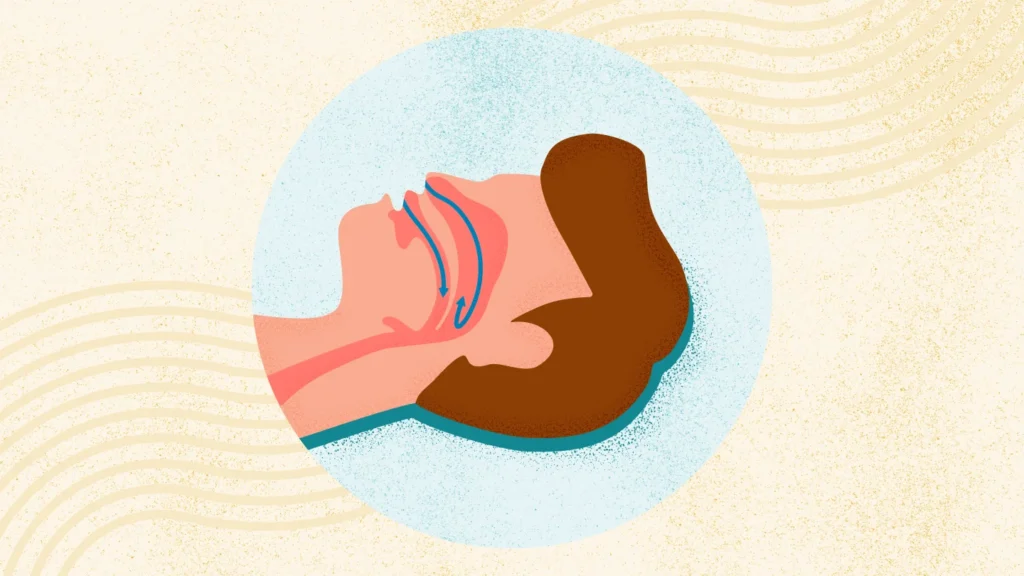
Snoring usually happens when airflow gets turbulent as tissues relax during sleep. That turbulence can come from the nose, soft palate, tongue position, or jaw position. An anti-snoring mouthpiece (often a mandibular advancement style) aims to improve airflow by changing positioning.
It’s not the only tool. People also try side-sleeping aids, nasal strips, white noise, and app-based sleep tracking. The difference is that a mouthpiece targets mechanics, not just the vibe of your bedroom.
Timing: when to test, and how long to give it
Pick a “normal” two-week window. If you’re jet-lagged, sick, or in a peak-stress work sprint, your sleep will be weird no matter what. Travel fatigue and late-night emails can make any snoring fix look worse than it is.
Use a simple scorecard. Track three things: (1) partner-reported snoring volume, (2) how often you wake up, and (3) how you feel at 10 a.m. That’s enough to spot a trend without turning sleep into a second job.
Supplies: what to have on the nightstand
- Mirror + good light for fit checks
- Timer (phone is fine) for boil-and-bite steps if your model uses them
- Mild soap and a soft toothbrush for daily cleaning
- Storage case so it can dry fully
- Optional: saline rinse or humidifier if nasal dryness is part of your snoring story
If you’re considering a combined approach, an anti snoring mouthpiece is one way some sleepers try to improve stability and reduce mouth opening at night.
Step-by-step (ICI): Insert, Check, Improve
1) Insert: start with calm, not clenched
Put the mouthpiece in while you’re still awake and relaxed. If you insert it while you’re already half-asleep, you’re more likely to bite down hard and create soreness.
If your device is adjustable, begin with the gentlest setting. Comfort drives consistency, and consistency is what lets you judge results.
2) Check: confirm the fit and your breathing
Do a quick “fit audit” in the mirror:
- It should feel secure without you having to clamp your jaw shut.
- Your lips can rest closed, but you shouldn’t feel forced.
- You should be able to breathe through your nose comfortably.
Then do a 60-second test: lie on your side and take slow breaths. If you feel like you’re fighting the device, stop and reassess the fit.
3) Improve: small tweaks, one at a time
Change only one variable per night. That means you don’t adjust the mouthpiece, switch pillows, and add a new sleep supplement all at once. Otherwise, you won’t know what helped.
Common “micro-improvements” include a slightly different jaw setting (if available), a better pillow height for side-sleeping, or addressing nasal congestion so you’re not forced into mouth-breathing.
Mistakes that ruin comfort (and results)
Over-advancing on night one
More forward isn’t always better. Too much advancement can trigger jaw soreness, tooth pressure, or morning headaches. Start conservative and build slowly.
Ignoring mouth and jaw signals
Some pressure can happen early on. Sharp pain, clicking that worsens, or numbness is different. Don’t “push through” symptoms that escalate.
Cleaning shortcuts that warp the device
Hot water and harsh cleaners can deform materials. A warped mouthpiece fits poorly, and a poor fit often means more snoring and less sleep.
Expecting a gadget to cancel burnout
Sleep tech is everywhere, and it’s tempting to buy your way out of exhaustion. A mouthpiece can reduce snoring, but it won’t replace basics like a consistent schedule, wind-down time, and managing late caffeine.
FAQ: quick answers people are searching right now
Is snoring always caused by the mouth?
No. Nose congestion, sleep position, and soft tissue vibration can all contribute. Oral structure can still be a major factor for many people.
Will my partner notice a change right away?
Sometimes, but give it at least a week. Early nights can include adjustment noises or inconsistent wear time.
Do I still need sleep hygiene if I use a mouthpiece?
Yes. Think of it as airflow support, not a replacement for sleep fundamentals.
Next step: choose a simple plan you’ll actually use
If snoring is hurting your sleep quality, pick one approach and test it consistently. Keep the setup simple, track outcomes, and prioritize comfort so you can stick with it.
How do anti-snoring mouthpieces work?
Medical disclaimer: This article is for general education and does not provide medical advice. Snoring can be associated with obstructive sleep apnea and other conditions. If you have loud frequent snoring plus choking/gasping, significant daytime sleepiness, chest pain, or high blood pressure, seek evaluation from a qualified clinician.