
On the third night of a work trip, Sam tried to laugh it off. The hotel bed felt like cardboard, the room was too dry, and the “smart” sleep gadget on the nightstand kept chirping reminders about bedtime routines. Meanwhile, the real problem was simpler: snoring got loud enough that a partner texted, “Are you running a leaf blower in there?”
That mix—travel fatigue, wellness trends, and relationship humor—is exactly why snoring is getting so much attention right now. People want better sleep quality, but they also want a fix that’s practical, affordable, and not a months-long project.
Why snoring is suddenly everyone’s problem
Snoring isn’t just “noise.” It can fragment sleep for the snorer and anyone within earshot. That can snowball into groggy mornings, short tempers, and the kind of workplace burnout that makes every meeting feel personal.
Recent conversations in health and dental circles have also pushed sleep and breathing health into the spotlight. If you’ve seen talk about airway-focused dentistry and sleep-related breathing concerns, you’re not imagining it. For a general reference point on that broader discussion, see Creative Smiles Dentistry Advances Airway Dentistry to Address Sleep and Breathing Health in Tucson.
The emotional side: it’s not just sleep—it’s peace
Snoring can turn bedtime into negotiation. One person wants closeness; the other wants silence. Add a new sleep tracker, a trending supplement, or a “miracle” nasal gadget, and it’s easy to waste money while the frustration stays the same.
If this is you, aim for progress over perfection. A plan that reduces snoring most nights is often a bigger win than chasing a flawless, gadget-filled routine.
Start at home: quick, low-cost moves that protect sleep quality
Before you buy anything, try these simple steps for a week. Keep it boring. Boring is how you learn what actually changes your sleep.
1) Change position, not your whole life
Back-sleeping can make snoring worse for some people. Side-sleeping often helps. Use a pillow setup that makes side-sleeping easier, especially when you’re travel-worn and your body defaults to old habits.
2) Reduce the “dry room” effect
Hotel HVAC and winter heat can dry your mouth and throat. Hydration and a less-dry sleeping environment may help some people feel less irritated overnight. Keep expectations realistic, but it’s an easy variable to control.
3) Treat your bedtime like a runway, not a crash landing
Late meals, alcohol close to bedtime, and doom-scrolling can all nudge sleep quality in the wrong direction. You don’t need a perfect routine. You do need a repeatable one.
Where an anti snoring mouthpiece fits (and why it’s trending)
If the basics don’t move the needle, an anti snoring mouthpiece is one of the more direct, at-home options people look at next. Many of these are designed to position the lower jaw forward to help keep the airway more open during sleep (often called mandibular advancement devices).
Why the renewed buzz? A few reasons:
- Sleep disruption is a hot topic: people are paying attention to what breaks sleep, not just what helps them fall asleep.
- More device innovation: you’ll see ongoing research and clinical testing discussed in the news, which keeps interest high.
- Budget pressure: people want a step between “do nothing” and “book multiple appointments.”
If you’re comparing products, start with a clear category search like anti snoring mouthpiece and narrow from there based on fit style, adjustability, and comfort.
Practical shopping rules (so you don’t waste a cycle)
Look for comfort signals, not hype
A mouthpiece only helps if you actually wear it. Favor designs that mention adjustability and comfort features. Be wary of “one-size-fixes-all” promises.
Expect an adaptation period
Some people feel extra saliva, mild tooth pressure, or temporary jaw stiffness at first. That doesn’t automatically mean it’s wrong for you, but pain is a stop sign.
Don’t ignore dental reality
Loose teeth, major dental work, gum disease, or significant jaw issues can change what’s safe and comfortable. When in doubt, ask a dental professional—especially if you’ve had prior TMJ problems.
Safety and testing: what “legit” should mean to you
It’s normal to see reviews, “clinical analysis” language, and headlines about devices being tested. That’s helpful culturally, but your decision still comes down to basics: materials, fit, and how your body responds.
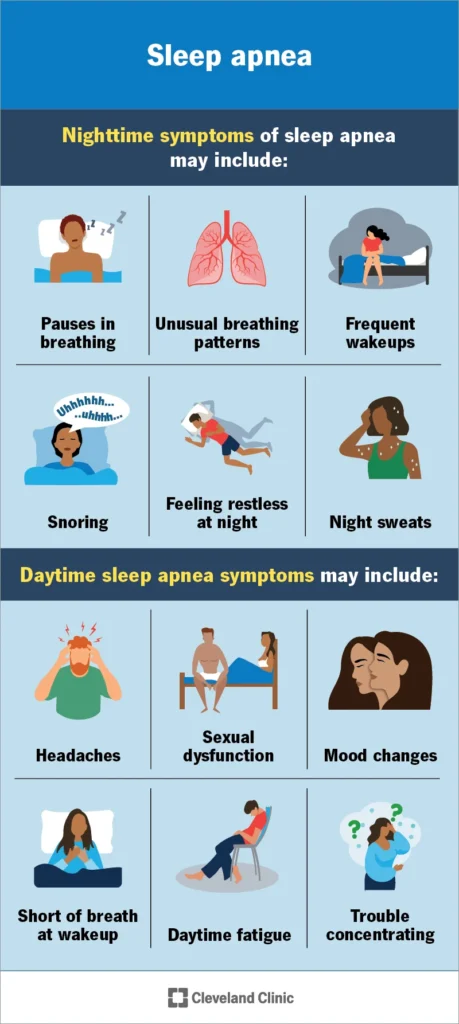
- Stop and get help if you have loud snoring plus choking/gasping, significant daytime sleepiness, or high blood pressure concerns. Those can be signs that need medical evaluation.
- Watch for jaw pain, tooth pain, or bite changes. If those show up, pause and reassess.
- Choose reputable sellers with clear return policies and transparent product details.
Medical disclaimer: This article is for general education and does not provide medical advice or a diagnosis. Talk to a qualified clinician or dentist for personal guidance, especially if you suspect sleep apnea or have jaw/dental conditions.
FAQ: quick answers people ask before buying
Do anti-snoring mouthpieces work for everyone?
No. They’re a strong option for some patterns of snoring, but results vary by anatomy, sleep position, and underlying health factors.
How long does it take to notice a difference?
Some people notice improvement quickly. Others need time to dial in fit and get used to sleeping with a device.
Can I use an anti-snoring mouthpiece if I have TMJ?
It depends. Jaw-forward devices can flare symptoms for some people, so get individualized guidance if TMJ is part of your history.
Is snoring always a sign of sleep apnea?
No, but it can be associated. If there are red flags like choking/gasping or severe daytime sleepiness, don’t self-treat only.
What’s the difference between boil-and-bite and custom devices?
Boil-and-bite is usually cheaper and faster to try. Custom devices often fit more precisely, which can improve comfort and adherence.
CTA: make the next step simple
If you’re done experimenting with random hacks and want a more direct approach, start by learning the mechanism and what to expect from fit and comfort.