
Is your snoring getting louder—or just more noticeable? Is your sleep quality sliding even when you “did everything right”? And are you wondering if an anti snoring mouthpiece is the one gadget that’s actually worth it?
Snoring has a way of turning into a relationship issue, a travel issue, and a work issue all at once. The good news: you can approach it without blame, drama, or a drawer full of failed sleep gadgets.
What people are talking about right now (and why it matters)
Sleep is having a moment. Wearables score your “readiness.” Apps coach breathing. Social feeds trade bedtime routines like recipes. At the same time, more people are dealing with travel fatigue, late-night scrolling, and workplace burnout that makes mornings feel brutal.
Snoring shows up right in the middle of that. It’s not just the noise. It’s the tension of waking each other up, the awkward jokes about “sleep divorce,” and the quiet worry that poor sleep is stacking up.
Recent roundups have highlighted doctor-informed anti-snore devices and practical sleep tips that science tends to support. If you’re sorting through the options, start with a simple question: What’s most likely causing the snoring?
What matters medically: snoring vs. sleep health
Snoring usually happens when airflow gets turbulent as you breathe during sleep. That turbulence can come from nasal congestion, throat tissue relaxing, or jaw/tongue position that narrows the airway.
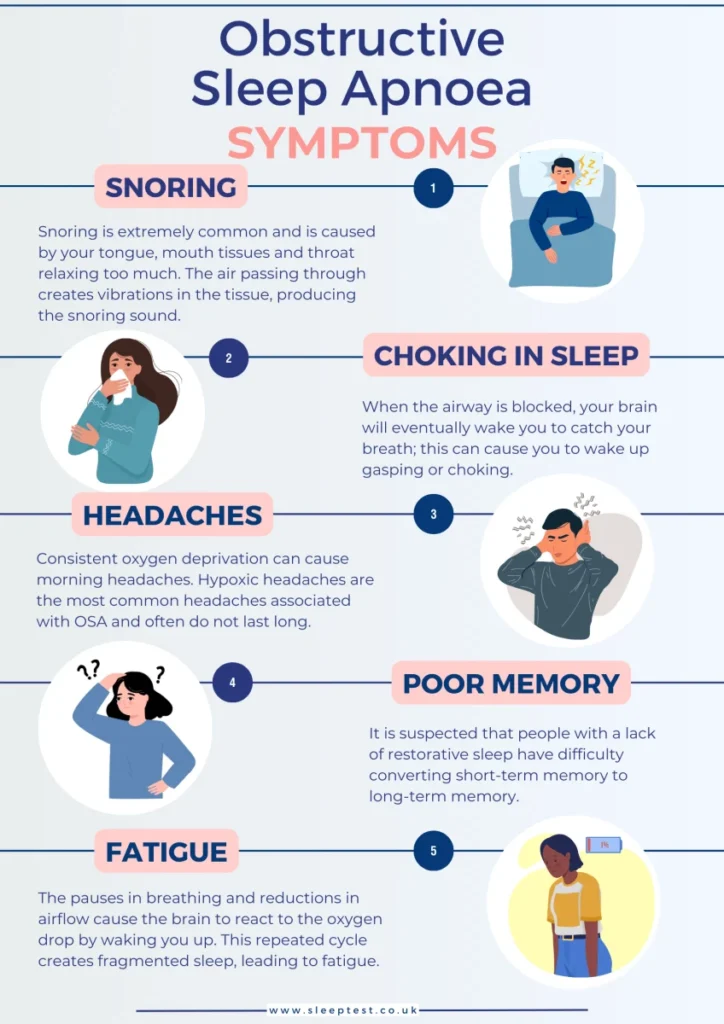
Snoring can be “just snoring.” But it can also overlap with sleep-disordered breathing, including obstructive sleep apnea (OSA). You don’t need to self-diagnose. You do need to know the red flags.
Why sleep quality gets hit even if you don’t fully wake up
Even brief arousals can fragment sleep. You might not remember waking, but your body does. Over time, that can show up as irritability, brain fog, headaches, or feeling like coffee is doing all the heavy lifting.
Red flags that deserve attention
- Witnessed pauses in breathing, choking, or gasping
- Excessive daytime sleepiness or dozing off easily
- Morning headaches or dry mouth most days
- High blood pressure or heart risk factors
- Snoring that suddenly worsens after a health change
If any of these sound familiar, consider a medical evaluation rather than only trying gadgets.
How to try solutions at home (without turning bedtime into a project)
Think of this as a short experiment. Try one change at a time for several nights so you can tell what’s helping.
Step 1: Make the room “sleep-friendly,” not “sleep-perfect”
Keep the bedroom cool, dark, and quiet. Set a realistic wind-down. If burnout has you wired at night, aim for consistency over intensity.
Step 2: Reduce common snoring triggers
- Side-sleeping: Back sleeping often makes snoring worse for many people.
- Alcohol timing: Drinking close to bedtime can relax airway muscles.
- Nasal airflow: If you’re congested, address it with clinician-approved options.
- Travel fatigue: Jet lag and odd sleep positions can amplify snoring for a few nights.
Step 3: Consider an anti-snoring mouthpiece (what it is, and what it’s for)
An anti snoring mouthpiece is designed to improve airflow during sleep by changing jaw or tongue position. Many people look at these after they’ve tried pillows, strips, and “just sleep earlier” advice.
To get oriented, see summaries like We Consulted Sleep Doctors To Find The 4 Best Anti-Snore Devices. Then compare with your needs and comfort preferences.
What to look for before you buy
- Fit and comfort: A device you can’t tolerate won’t help.
- Jaw history: TMJ issues or frequent jaw pain call for extra caution.
- Materials and cleaning: Simple care routines improve follow-through.
- Return options: Your first try may not be your final pick.
If you’re comparing styles, review anti snoring mouthpiece and focus on what feels realistic to wear nightly.
How to talk about it with a partner (so it doesn’t turn into a fight)
Start with teamwork, not accusations. Try: “I miss waking up rested. Can we test a couple of changes for two weeks?”
If you’re the snorer, name the pressure. If you’re the listener, name the impact. Both can be true. That tone shift alone can lower the bedtime stress that keeps everyone awake.
When to seek help (and what that visit can look like)
Get professional guidance if snoring is loud and frequent, if you suspect breathing pauses, or if daytime sleepiness is affecting safety and work. A clinician may screen you for sleep apnea and discuss testing options.
Dental professionals can also help when jaw alignment, tooth fit, or bite changes are concerns. That matters if a mouthpiece causes persistent pain or your bite feels “off” in the morning.
FAQ: quick answers about mouthpieces and sleep quality
Are mouthpieces the same as CPAP?
They’re different. CPAP uses air pressure to keep the airway open. Mouthpieces aim to improve airflow by positioning the jaw or tongue. A clinician can help decide what fits your risk and symptoms.
Can I use a mouthpiece if I have dental work?
Sometimes, but it depends. Crowns, braces, implants, or gum issues may affect fit and comfort. Check with a dental professional if you’re unsure.
What’s a fair trial period?
Give it at least a week, unless you have sharp pain, worsening symptoms, or bite changes that don’t resolve after waking.
CTA: make the next step easy
If snoring is straining sleep and patience, you don’t need a perfect routine. You need a plan you can repeat.
How do anti-snoring mouthpieces work?
Medical disclaimer: This article is for general education and is not medical advice. It does not diagnose, treat, or replace care from a qualified clinician. If you have breathing pauses, chest pain, severe daytime sleepiness, or concerns about heart risk, seek medical evaluation promptly.