
Is your snoring getting worse lately?
Are sleep gadgets and “quick fixes” starting to feel like noise?
Could an anti snoring mouthpiece actually improve sleep quality without turning bedtime into a project?
Yes—sometimes. But it depends on what’s causing the snoring, how the device fits, and whether your sleep habits are supporting (or sabotaging) the fix. Below is a grounded, right-now guide based on what people keep talking about: new-year sleep resets, mental wellness goals, viral sleep hacks, travel fatigue, and the very real “my partner says I sounded like a leaf blower” problem.
Why does snoring feel like a bigger deal right now?
Snoring has always been common. What’s changed is how much people connect it to the rest of life. Burnout makes mornings harder. Travel schedules are messy. Screens keep brains switched on. And many couples are more open about “sleep divorce” jokes—separate rooms, separate blankets, separate peace.
At the same time, sleep trends move fast. One week it’s a new wearable. The next week it’s a taped-mouth debate. In that swirl, the practical question gets missed: Are you getting enough high-quality sleep, and is snoring blocking it?
If you want a behavioral reset, this Here are five behavioral and psychological tips for a fresh start toward better sleep in the new year, spanning five categories — sleep drive, circadian rhythm, sleep hygiene, overthinking and pre-bed activity. https://wapo.st/3MQgP1D overview is a good starting point. Pair that mindset with a tool that targets the mechanics of snoring, and you’re in a stronger position.
What actually causes snoring—and when is it a red flag?
Snoring usually happens when airflow is partly blocked and nearby tissues vibrate. That can be influenced by jaw position, tongue position, nasal congestion, sleep posture, alcohol, and weight changes. Stress also matters because it can fragment sleep and change breathing patterns.
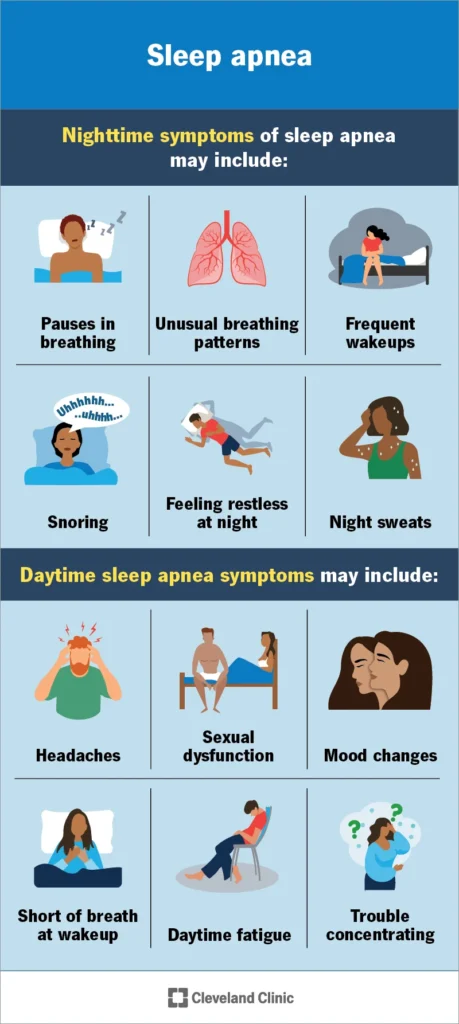
Some snoring is “just snoring.” But some snoring overlaps with sleep apnea risk. If you or a partner notices choking, gasping, or pauses in breathing—or you wake unrefreshed despite “enough hours”—don’t guess. Get medical guidance and consider a sleep evaluation.
Medical note: Loud snoring plus daytime sleepiness, morning headaches, or witnessed breathing pauses can be a sign of a sleep-related breathing disorder. A mouthpiece may not be enough in those cases.
How can an anti snoring mouthpiece help sleep quality?
An anti snoring mouthpiece is designed to keep the airway more open while you sleep. Many options do this by gently positioning the lower jaw forward. That small change can reduce tissue vibration for certain people.
Think of it like adjusting the “alignment” of airflow. If your snoring is strongly tied to jaw drop and airway narrowing, the right fit can lower noise and reduce micro-wakeups. Less disruption can mean better sleep continuity for you—and fewer elbow jabs for your partner.
Still, comfort decides everything. If the device hurts, you won’t wear it. If it fits poorly, it can feel bulky and fail to help. The goal is a stable, tolerable position that supports breathing without forcing your jaw.
Where mouthpieces fit in today’s sleep trend cycle
Wearables can tell you that you slept “67% efficiently.” A mouthpiece can help change what happens in the airway. They’re different tools. If you’re tired of collecting data and want a physical intervention, a mouthpiece is a straightforward place to look—especially when the household is negotiating snoring, travel jet lag, and early meetings.
What should you look for in fit, comfort, and positioning?
Most frustration comes from skipping the basics. Focus on these four points before you decide a device “doesn’t work.”
1) ICI basics: Is it comfortable, compatible, and intuitive?
Comfort: Pressure should feel gentle, not sharp. Mild adjustment soreness can happen early. Pain is a stop sign.
Compatibility: If you have dental work, jaw issues, or gum sensitivity, choose cautiously and consider professional advice.
Intuitive use: If it’s complicated, compliance drops fast—especially during busy weeks or after late travel.
2) Positioning: Forward enough to help, not so far it punishes you
More forward isn’t automatically better. Too much advancement can strain the jaw and make mornings worse. The “best” position is the smallest change that reduces snoring while staying wearable.
3) Seal and stability: The device shouldn’t wander overnight
If it shifts, it may stop helping halfway through the night. Stability often comes from a secure fit and a design that matches your bite shape.
4) Morning bite feel: Don’t ignore it
Some people notice temporary bite changes right after removal. That can improve as you adapt, but persistent changes should be discussed with a dental professional.
What about mouth taping and other viral sleep hacks?
People are curious about mouth taping because it sounds simple. The online conversation is loud, and the promises can be louder. The reality is more cautious: if you can’t breathe freely through your nose, taping can be uncomfortable or unsafe. It also doesn’t address jaw position the way a mouthpiece can.
If you’re experimenting with sleep tools, keep the priority order clear: safe breathing first, then comfort, then optimization. A quieter night is not worth a risky workaround.
How do you keep an anti-snoring mouthpiece clean and usable?
Cleanup is where “I’ll do it tomorrow” turns into “why does this smell weird?” Keep it simple.
- Rinse after each use.
- Brush gently with a soft toothbrush.
- Air-dry fully before storing.
- Avoid hot water unless the instructions explicitly allow it.
Consistency matters more than fancy cleaners. A clean device is easier to tolerate, and tolerability drives results.
Which product type do people pair with mouthpieces right now?
Many shoppers look for bundles that support both jaw position and mouth closure. If you’re comparing options, you can review an anti snoring mouthpiece and see whether that approach matches your comfort needs.
Not everyone needs a chinstrap. But for some sleepers—especially those dealing with dry mouth or an open-mouth posture—it can be a helpful add-on.
FAQ: Quick answers people ask before they buy
Will a mouthpiece fix snoring from a cold?
It might not. Temporary congestion often responds better to addressing nasal airflow and sleep position.
Can I use one if I grind my teeth?
Maybe, but it depends on the design and your symptoms. If you have jaw pain or heavy grinding, ask a dental professional before committing.
Does alcohol make snoring worse?
It can for many people because it relaxes airway muscles. If snoring spikes after drinks, that pattern is useful information.
CTA: Ready to get a quieter night without the drama?
If snoring is dragging down sleep quality for you or your partner, start with the basics (schedule, light, wind-down), then consider a tool that targets airway mechanics.
How do anti-snoring mouthpieces work?
Medical disclaimer: This article is for general education only and is not medical advice. Snoring can be a symptom of sleep apnea or other conditions. If you have choking/gasping at night, witnessed breathing pauses, chest pain, severe daytime sleepiness, or persistent symptoms, seek evaluation from a qualified clinician.