
Is your snoring “just noise,” or is it wrecking your sleep quality?
Are sleep gadgets and new-year sleep resets actually helping, or just adding clutter to the nightstand?
And does an anti snoring mouthpiece make sense before you buy another app, ring, or pillow?
These are the questions people keep asking—especially when travel fatigue, workplace burnout, and “why are you so tired?” conversations start stacking up. Add relationship humor (the classic “you snore, I nudge, we both lose”) and it’s no surprise snoring is trending again.
This guide answers those three questions with practical, non-dramatic steps. We’ll focus on tools and technique: ICI basics, comfort, positioning, and cleanup.
Is snoring just annoying, or can it affect sleep health?
Snoring can be a simple airflow issue. It often shows up when tissues in the throat vibrate as you breathe. Alcohol, congestion, sleep position, and weight changes can all play a role.
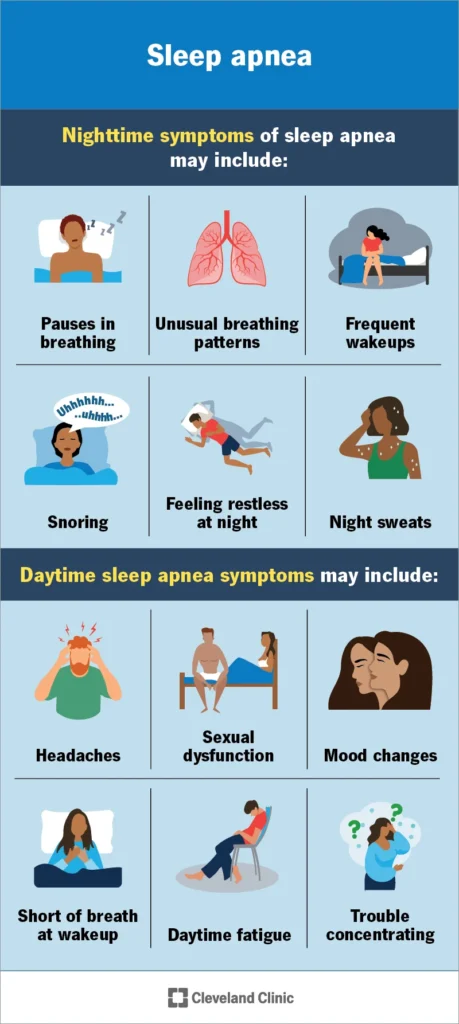
But snoring isn’t always harmless. If snoring is loud and frequent, or you notice gasping, choking, or big daytime sleepiness, it’s worth taking seriously. Some headlines lately have also highlighted the broader health conversation around sleep-disordered breathing and why it’s not just a “bedroom nuisance.”
Quick self-check: when to take it up a level
- You wake up unrefreshed most days, even with enough time in bed.
- Your partner notices pauses in breathing, choking, or gasping.
- You get morning headaches, dry mouth, or brain fog.
- You feel drowsy while driving or in meetings.
If any of those fit, consider reading an overview like Here are five behavioral and psychological tips for a fresh start toward better sleep in the new year, spanning five categories — sleep drive, circadian rhythm, sleep hygiene, overthinking and pre-bed activity. https://wapo.st/3MQgP1D and talk with a clinician for proper evaluation.
Why is sleep quality the headline right now?
Sleep is having a cultural moment. People are trying “fresh start” routines, mental wellness check-ins, and new bedtime boundaries. You’ll also see more conversations about overthinking at night, doomscrolling, and the difference between time in bed and actual restorative sleep.
Then there’s the modern sleep stack: trackers, smart alarms, cooling pads, white noise machines, and travel-friendly blackout gear. These can help, but they don’t always address the loudest problem in the room—snoring.
The five-bucket reset (simple version)
Many current sleep tips cluster into a few themes. Here’s a practical translation you can use tonight:
- Sleep drive: Keep a consistent wake time so you’re actually sleepy at bedtime.
- Circadian rhythm: Get morning light and dim lights late.
- Sleep hygiene: Cool, dark room. Caffeine and alcohol timing matter.
- Overthinking: Park worries on paper before bed.
- Pre-bed activity: Swap “one more episode” for a short wind-down routine.
Those steps improve the foundation. If snoring still breaks sleep, a targeted tool may be the missing piece.
What does an anti snoring mouthpiece actually do?
An anti snoring mouthpiece is designed to reduce snoring by improving airflow. Many options work by gently positioning the lower jaw forward. That can help keep the airway more open for some people.
Think of it like adjusting a kinked garden hose. You’re not “forcing” anything. You’re changing alignment so air moves with less turbulence.
ICI basics: the three things that decide whether it feels worth it
- Impact: Does it reduce snoring enough to protect sleep quality for you and your partner?
- Comfort: Can you wear it without jaw soreness, gum irritation, or constant wake-ups?
- Integration: Does it fit your routine—travel, cleaning, storage, and consistency?
How do you choose a mouthpiece that’s comfortable (not a torture device)?
Comfort is the make-or-break factor. A mouthpiece that works “in theory” won’t help if it ends up in the nightstand by 2 a.m.
Fit and positioning: start conservative
Jaw positioning should feel gentle. Too much advancement can cause soreness. Too little may not change snoring. If your product allows adjustment, small changes beat big jumps.
Common early issues (and what they usually mean)
- Drooling: Often temporary while your mouth adapts.
- Dry mouth: You may be mouth-breathing; a chin strap can help some sleepers.
- Jaw stiffness: You may need less forward positioning or shorter ramp-up time.
- Gum irritation: Check edges, fit, and cleaning habits.
If you want a combined approach, consider an option like this anti snoring mouthpiece. Pairing tools can be useful when mouth-breathing is part of the problem.
What’s the “right” routine for using and cleaning it?
Consistency matters more than perfection. The goal is a setup you can repeat even when you’re exhausted, jet-lagged, or coming home from a late shift.
Nightly routine (fast)
- Rinse the mouthpiece before use.
- Insert it and confirm it feels stable, not forced.
- Sleep on your side if that reduces your snoring.
Morning cleanup (faster)
- Rinse right away.
- Brush gently with mild soap if needed.
- Air-dry fully before storing.
Skip harsh cleaners unless the manufacturer recommends them. Heat can also warp some materials, so avoid hot water unless instructions say it’s safe.
What if snoring is causing relationship stress or work burnout?
Snoring problems rarely stay “just at night.” They spill into mornings, patience, and focus. That’s why the topic keeps popping up alongside mental wellness trends and burnout conversations.
Try making it a shared experiment instead of a blame game. Agree on a two-week trial: track bedtime, alcohol timing, sleep position, and mouthpiece use. Then decide what helped.
Medical disclaimer: This article is for general education only and isn’t medical advice. Snoring can have multiple causes. If you suspect sleep apnea or have symptoms like choking/gasping, significant daytime sleepiness, or high blood pressure concerns, seek evaluation from a qualified clinician.
FAQ
Is snoring always a health problem?
Not always. Snoring can be positional or congestion-related, but loud, frequent snoring with choking/gasping or daytime sleepiness can signal a bigger issue.
Can an anti snoring mouthpiece help with sleep apnea?
Some mouthpieces may reduce snoring for certain people, but suspected sleep apnea needs medical evaluation. A clinician can confirm the cause and safest treatment.
How long does it take to get used to a mouthpiece?
Many people adapt over several nights to a couple of weeks. Starting with shorter wear time and focusing on fit can help.
What’s the difference between a mouthpiece and a chin strap?
A mouthpiece aims to position the jaw/tongue to keep the airway more open. A chin strap supports keeping the mouth closed, which can reduce mouth-breathing for some sleepers.
How do I clean an anti-snoring mouthpiece?
Rinse after use, brush gently with mild soap, and let it air-dry. Avoid harsh chemicals or hot water unless the product instructions say it’s safe.
Next step: get a quieter night without overcomplicating it
If you’re tired of buying “sleep tech” that doesn’t touch snoring, a mouthpiece-focused trial is a straightforward move. Keep the routine simple, prioritize comfort, and reassess after two weeks.