
- Snoring is a sleep-quality problem first, a noise problem second.
- An anti snoring mouthpiece can help when jaw position narrows airflow.
- Today’s “sleep gadget” trend makes bold claims—verify fit, safety, and returns.
- Mouth tape is a separate conversation. It’s not a universal substitute for a mouthpiece.
- If you suspect sleep apnea, don’t self-experiment. Get screened.
Snoring is having a moment in the culture. People compare wearables, test viral hacks, and swap travel-fatigue stories like they’re trading stock tips. Meanwhile, partners are negotiating bedtime like it’s a workplace meeting that ran overtime.
Cut through the noise: better sleep comes from matching the tool to the cause, then using it safely. Below are the common questions people are asking right now, plus a simple way to document your choice so you don’t get stuck with a drawer full of “almost worked” gadgets.
Is snoring really hurting sleep quality, or just annoying?
It can be both. The sound can wake a partner repeatedly, which fragments their sleep. The snorer may also have disrupted sleep without realizing it, especially if breathing gets partially blocked.
Even when you “sleep through it,” snoring often travels with dry mouth, sore throat, and unrefreshing mornings. Add travel fatigue, late-night screens, and burnout-level stress, and your sleep debt stacks fast.
Quick self-check: what changed recently?
Snoring often spikes with alcohol close to bedtime, nasal congestion, back sleeping, and weight changes. New meds that relax muscles can also play a role. If your snoring suddenly escalates, treat that as a signal to reassess, not a reason to buy five devices at once.
What is an anti snoring mouthpiece, and why is it trending?
Most anti-snoring mouthpieces sold online are mandibular advancement devices (MADs). They gently hold the lower jaw forward to help keep the airway more open during sleep.
They’re trending because they feel like a “do something tonight” solution. Recent consumer-style coverage has pushed people to compare device types, read research summaries, and double-check claims before buying. If you want a neutral starting point for what to verify, scan this SleepZee Anti-Snoring Mouthpiece Consumer Report: 2026 Analysis of Mandibular Advancement Device Research, Snoring Reduction Claims, and What Buyers Should Verify.
Why it can help
When the jaw drops back during sleep, soft tissues can narrow the airway and vibrate. A MAD aims to reduce that collapse and vibration. The goal is steadier airflow, fewer arousals, and quieter nights.
Which “sleep hacks” are people mixing up right now?
Two trends get lumped together: mouthpieces and mouth tape. They’re not the same tool, and they don’t solve the same problem.
Mouth tape: where people go wrong
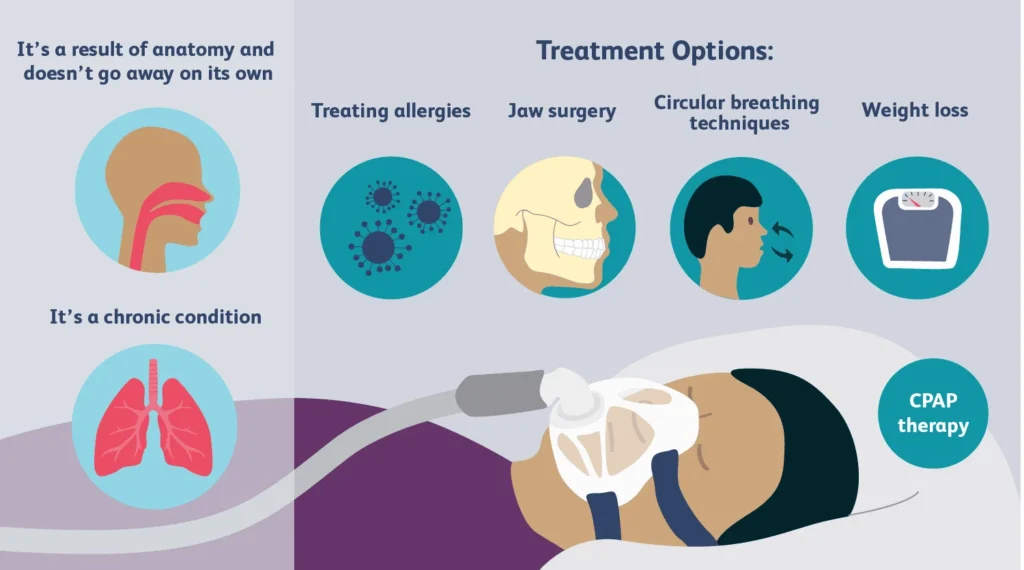
Mouth tape is often discussed as a way to encourage nasal breathing. It can be risky for people with nasal obstruction, allergies, or breathing issues. It’s also not a stand-in for evaluating snoring that could be tied to sleep apnea.
If you’re tempted by viral sleep hacks, slow down. “Popular” is not the same as “appropriate for your airway.”
How do I choose a mouthpiece without getting burned by hype?
Use a verification checklist. This protects your wallet and reduces health risk. It also helps you explain your choice if you later talk with a dentist or sleep clinician.
Buyer checks that matter
- Fit method: Clear instructions for sizing or molding, plus what to do if you gag or can’t seal comfortably.
- Materials: Transparent info on what touches your mouth and how to clean it.
- Adjustment approach: A conservative way to advance the jaw (big jumps can trigger jaw pain).
- Return policy: A real trial window, not fine print that blocks returns after opening.
- Claims language: Avoid “works for everyone” promises. Look for realistic expectations.
Safety screening (don’t skip this)
- TMJ history: Jaw clicking, locking, or chronic pain raises your risk of discomfort.
- Dental stability: Loose teeth, active gum disease, or recent dental work can be a problem.
- Apnea red flags: Choking/gasping, witnessed pauses, severe daytime sleepiness, or high blood pressure deserve medical screening.
What should I track so I know it’s working (or not)?
Don’t rely on “my partner said it was better” alone, even though that feedback matters. Track a few simple points for 10–14 nights.
- Snoring impact: Partner-rated noise (0–10) or whether anyone left the room.
- Morning feel: Dry mouth, headache, jaw soreness, and how rested you feel.
- Daytime function: Sleepiness, focus, and irritability (burnout makes this worse).
- Consistency: Nights used vs. skipped, and why (comfort, travel, congestion).
If pain builds, stop and reassess. “Pushing through” jaw pain is not a sleep-health flex.
Where does an anti-snoring mouthpiece fit when travel and stress spike?
Travel fatigue, hotel dryness, and irregular schedules can make snoring louder. Stress can also fragment sleep, which makes you more sensitive to noise. That’s why couples often joke about “sleep divorce” after a rough week.
A mouthpiece can be a practical tool in that season, especially if you need something portable. Still, it works best when paired with basics: nasal support if you’re congested, side-sleeping when possible, and less alcohol near bedtime.
What’s a reasonable next step if I want to try one?
Pick one device type, verify the policy, and commit to a short trial with tracking. If you want to compare options quickly, start here: anti snoring mouthpiece.
Medical disclaimer: This article is for general education and is not medical advice. Snoring can be a sign of obstructive sleep apnea or other health conditions. If you have choking/gasping, witnessed breathing pauses, chest pain, severe daytime sleepiness, or concerns about safety, talk with a qualified clinician.
Ready to get clear on the basics?