
Myth: “If it’s the same brand everyone talks about, it will fix my snoring.”
Reality: Format often matters more than brand. If the tool doesn’t match why you snore, you can waste money and still wake up tired.
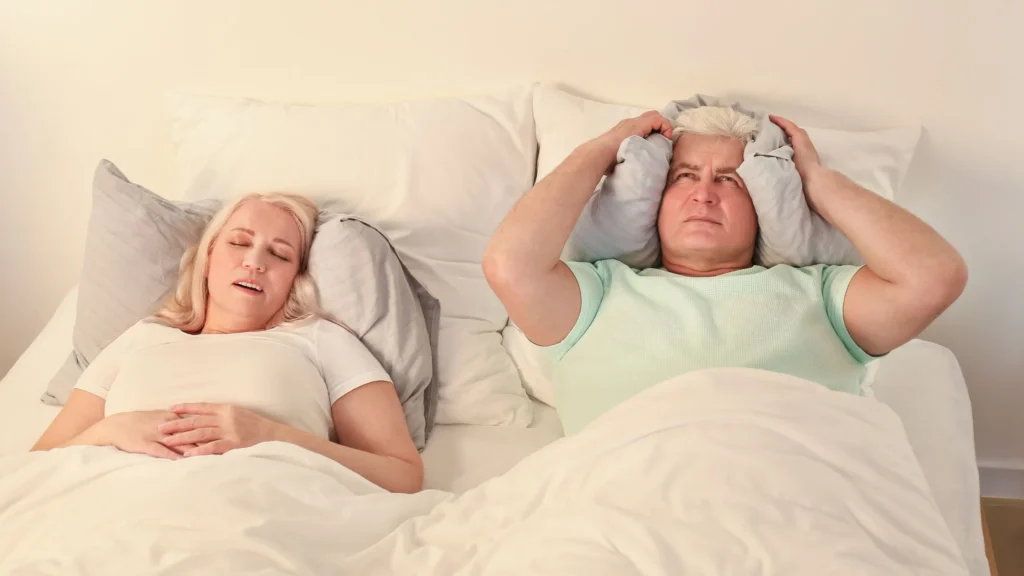
Snoring is having a moment in the culture again. People are buying sleep gadgets, tracking scores, joking about “relationship negotiations,” and blaming travel fatigue or workplace burnout for rough nights. Under the jokes is a real problem: broken sleep can wreck mood, focus, and energy.
This guide keeps it simple. Use the “if…then…” branches below to pick a direction quickly—especially if you want a budget-friendly, at-home first step.
A quick reality check: snoring isn’t just noise
Snoring can be a sign that airflow gets turbulent as you sleep. That turbulence can come from the nose, the soft tissues in the throat, or how the jaw and tongue relax at night.
Sometimes it’s just annoying. Other times, snoring pairs with symptoms that deserve medical attention. If you regularly wake up choking, gasping, or with intense daytime sleepiness, don’t DIY it forever.
Decision guide: if this, then that
If you’re stuffed up or wake with a dry nose… start with nasal support
If your snoring spikes with allergies, colds, or dry hotel air, then nose-focused options may be worth trying first. Many people reach for nasal strips because they’re low-commitment and easy to test for a few nights.
Also try: side-sleeping, a consistent bedtime, and less late-night alcohol. These cost nothing and often move the needle.
If your partner says it’s worse on your back… prioritize positioning
If the snoring is louder when you’re flat on your back, then you may benefit from side-sleep strategies. Travel fatigue makes this harder, because unfamiliar beds and pillows can push you into back-sleeping.
Keep it practical: change one variable at a time. Otherwise you’ll never know what helped.
If you snore even when your nose feels clear… look at jaw/tongue support
If you breathe fine through your nose but still rattle the room, then an anti snoring mouthpiece may be the better format to test. Mouthpieces are designed to influence oral airflow dynamics by supporting jaw position and helping reduce collapse or vibration in some people.
This is why recent consumer-style comparisons keep circling back to “format over brand.” You can read more context via this Anti-Snoring Mouthpiece vs Nose Strips: Consumer Analysis Explains Why Product Format May Matter More Than Brand.
If you keep buying sleep gadgets but still feel wrecked… simplify your stack
If you’re tracking sleep, wearing a ring, testing white noise, and doomscrolling anyway, then the “sleep tech” isn’t the problem. The routine is. Many people lose real sleep time to late-night scrolling, then try to compensate with products the next day.
Pick one device approach (strips or mouthpiece) and pair it with one habit change for a week. That’s a clean experiment you can afford.
If your relationship is suffering… aim for a fast, low-drama trial
If snoring has turned into nightly jokes, nudges, or separate bedrooms, then agree on a short trial window. For example: “We’ll test one option for 7 nights and review.” It keeps the conversation lighter and the decision clearer.
What to look for in an anti snoring mouthpiece (practical checklist)
- Comfort first: If it hurts, you won’t wear it. A “perfect” solution in the drawer fixes nothing.
- Stability: The device should stay put through the night.
- Clear cleaning routine: If upkeep is annoying, compliance drops fast.
- Plan for your mouth: If you suspect you open your mouth at night, a combo approach may help some sleepers.
If you want to explore a combo option, here’s a relevant product page: anti snoring mouthpiece.
Two tiny sleep-quality upgrades that cost $0
1) Cut the “scroll tax.” Set a hard stop for feeds before bed. Even when you intend to relax, endless content often pushes bedtime later than you think.
2) Keep wake time steady. Travel fatigue and burnout tempt you to sleep in, then you can’t fall asleep the next night. A consistent wake time often steadies the whole week.
When to stop experimenting and talk to a pro
If snoring comes with pauses in breathing, morning headaches, high daytime sleepiness, or your partner notices choking/gasping, get evaluated. Sleep medicine and dental sleep therapies continue to evolve, and a clinician can help match the right approach to your situation.
FAQ
Is an anti snoring mouthpiece better than nose strips?
It depends on whether your snoring is more nasal or more related to jaw/tongue position. Choose the format that matches the likely cause.
How quickly do anti-snoring mouthpieces work?
Some notice changes right away. Others need a short adjustment period. Comfort and consistent use are key.
Do mouthpieces help with sleep apnea?
Some oral devices are used in care for certain patients, but sleep apnea needs professional evaluation. Don’t self-treat severe symptoms.
What are common side effects?
Jaw or tooth soreness, drooling, or dry mouth can occur. Persistent pain is a reason to stop and ask a dentist/clinician.
What else helps sleep quality?
Less late-night scrolling, a steady schedule, and reducing alcohol close to bedtime are common high-impact steps.
CTA: Make one smart choice this week
You don’t need a full “sleep gadget cart” to make progress. Pick the format that fits your pattern, run a 7-night test, and keep the rest of your routine steady.
How do anti-snoring mouthpieces work?
Medical disclaimer: This article is for general education and is not medical advice. Snoring can have multiple causes, including conditions that require diagnosis and treatment. If you have symptoms such as choking/gasping during sleep, witnessed breathing pauses, chest pain, or severe daytime sleepiness, seek care from a qualified clinician.