
Snoring is having a moment online. So are “quick fixes” that look good on camera.
Related reading: Scientists warn against viral nighttime mouth-taping trend
Explore options: anti snoring mouthpiece
Meanwhile, real people are waking up groggy, traveling tired, and negotiating bedroom peace like it’s a contract renewal.
Thesis: If you’re chasing better sleep quality, skip risky viral hacks and use a safer, more screen-first approach—an anti snoring mouthpiece can be part of that plan when it matches your situation.
What’s fueling the snoring conversation right now
Sleep has turned into a gadget category. Smart rings, sunrise lamps, white-noise apps, and “biohacking” trends all promise a cleaner night. Some ideas are harmless. Others can backfire when they ignore basic breathing safety.
One example: mouth-taping has gone viral, and it’s also drawing warnings from scientists and clinicians. If you want a quick read on the concern, see this coverage on the topic: {high_authority_anchor}.
At the same time, mainstream health outlets keep repeating a core message: loud snoring can be more than a relationship joke. In some people, it connects to sleep apnea and broader health risks, including heart strain. You don’t need to panic, but you do need to screen smart.
Timing: When to try a mouthpiece—and when to pause
Good time to consider an anti-snoring mouthpiece
Start here if your main issue is positional snoring (worse on your back), snoring that ramps up with alcohol, or partner complaints without major daytime symptoms. Travel fatigue can amplify all of this. Hotel pillows, late dinners, and dehydration don’t help.
If your goal is simply fewer disruptions and a quieter room, a mouthpiece is often a more grounded option than “tape and hope.”
Pause and get screened first
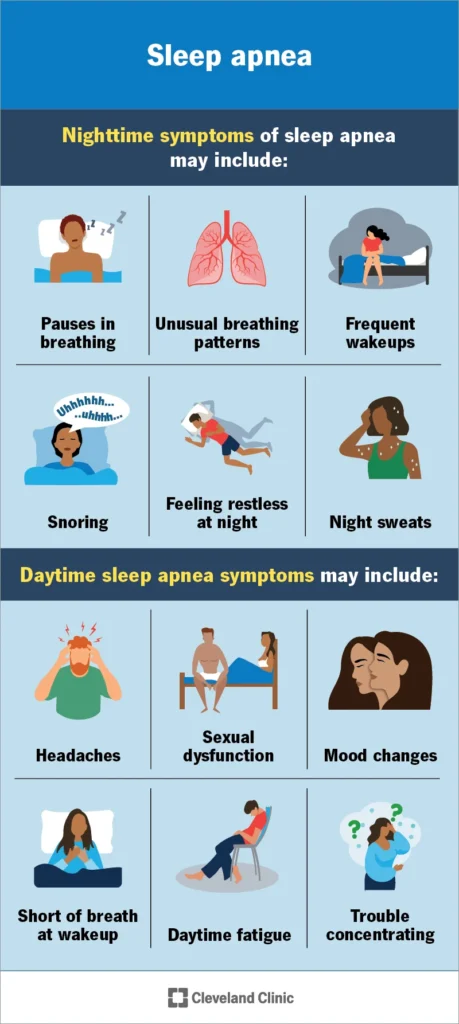
Don’t self-experiment past obvious red flags. Consider medical screening if you have loud snoring plus choking/gasping, witnessed breathing pauses, heavy daytime sleepiness, morning headaches, or high blood pressure concerns.
Also pause if you suspect nasal obstruction. If you can’t breathe comfortably through your nose while awake, mouth-closure strategies can be unsafe.
Supplies: What you actually need (and what you don’t)
Keep it simple. You’re aiming for comfort, consistency, and trackable outcomes—not a bedside science fair.
- A reputable anti-snoring mouthpiece designed for nightly use (not a novelty product).
- A way to clean it: mild soap, cool water, and a dedicated case for drying/storage.
- A basic sleep note: 30 seconds in your phone each morning (snoring reports, awakenings, how you feel).
- Optional: nasal saline rinse or strips if congestion is a frequent trigger (avoid combining with risky mouth-closure hacks).
If you’re comparing products, start with this overview of {outbound_product_anchor}. It’s a faster path than scrolling through influencer lists.
Step-by-step (ICI): Implement, Check, Improve
1) Implement: Start on a “normal” week
Don’t begin on the same night as a red-eye flight, a big celebration dinner, or a stressful deadline. Burnout sleep is already fragile, and you won’t know what caused what.
Follow the fitting instructions exactly. If it’s boil-and-bite, take your time. If it’s adjustable, move in small increments. Comfort matters more than aggressive positioning.
2) Check: Look for the right signals
Use a simple checklist for the first 7–10 nights:
- Is snoring reduced (partner feedback or recording)?
- Are you waking less often?
- Any jaw soreness, tooth pressure, or gum irritation?
- Do you feel more alert in the afternoon?
If you feel worse, stop and reassess. “Pushing through” is not a sleep strategy.
3) Improve: Pair the mouthpiece with sleep-quality basics
A mouthpiece can reduce noise, but sleep quality still depends on the full routine. Use these upgrades that don’t require a new gadget:
- Earlier cutoff for alcohol when you notice it worsens snoring.
- Side-sleep support (pillow positioning) if you snore more on your back.
- Consistent wake time on weekdays and weekends to reduce “social jet lag.”
- Wind-down cue: dim lights, lower screens, and a repeatable 10-minute routine.
These trends show up in “sleep expert” roundups for a reason: they’re boring, but they work for many people.
Mistakes that make snoring solutions fail (or feel unsafe)
Mixing viral hacks with breathing uncertainty
Trends like mouth-taping can sound simple. The risk is also simple: if nasal breathing isn’t reliable, forcing the mouth closed can create a bad situation. Choose safety over aesthetics.
Ignoring screening because snoring feels “normal”
Snoring is common, but that doesn’t mean it’s always harmless. If your symptoms point toward sleep apnea, get evaluated. This matters even more if you’ve got heart risk factors or extreme daytime sleepiness.
Over-tightening or rushing the fit
More forward pull isn’t always better. It can cause jaw pain, headaches, or bite changes. Small adjustments and comfort-first fitting help you stay consistent.
Skipping hygiene and storage
Nighttime devices need routine cleaning. It’s not just about odor. It’s about reducing irritation and keeping the device usable.
FAQ: Quick answers people ask at 2 a.m.
Do anti-snoring mouthpieces help with sleep apnea?
Some oral devices are used under clinical guidance for certain cases. If you suspect apnea, screening comes first, then the right therapy can be matched to your needs.
Can I use an anti-snoring mouthpiece if I have TMJ?
Maybe, but be cautious. Jaw conditions can worsen with poorly fitted devices. Get dental guidance if you have a TMJ history.
How fast should I expect results?
Some people notice a change in the first few nights. Give it 1–2 weeks for fit comfort and routine consistency before judging.
CTA: Make the next step boring—and effective
If snoring is hurting your sleep quality (or your partner’s), choose a solution you can measure and tolerate. Start with screening if red flags show up, then use a mouthpiece approach that prioritizes fit and comfort.
How do anti-snoring mouthpieces work?
Medical disclaimer: This article is for general education and does not provide medical advice, diagnosis, or treatment. If you have symptoms of sleep apnea (breathing pauses, choking/gasping, severe daytime sleepiness) or significant jaw/tooth pain, seek care from a qualified clinician.