
Is your snoring ruining your sleep quality? Are you wondering if an anti snoring mouthpiece is actually worth trying? And are you tired of buying sleep gadgets that end up in a drawer?
Those are the right questions. People are talking about sleep more than ever—burnout, travel fatigue, and wearable sleep scores have made “rest” feel like a performance metric. Meanwhile, snoring is still the classic relationship punchline… until it’s not funny at 2 a.m.
This guide keeps it simple: what’s happening, when to act, what you need, how to try a mouthpiece step-by-step, and the mistakes that waste money (or make your jaw mad).
Overview: Why snoring feels louder lately
Snoring is noise from vibration in the upper airway during sleep. It often shows up when airflow gets partially blocked. That can happen from sleep position, nasal congestion, alcohol, weight changes, or simple anatomy.
It’s also getting more attention because sleep health is trending. You’ll see headlines about airway-focused dentistry, more public talk about sleep apnea, and product reviews that test whether popular mouthpieces hold up in real life. If you want a general reference point for what reviewers are discussing, see this Creative Smiles Dentistry Advances Airway Dentistry to Address Sleep and Breathing Health in Tucson coverage.
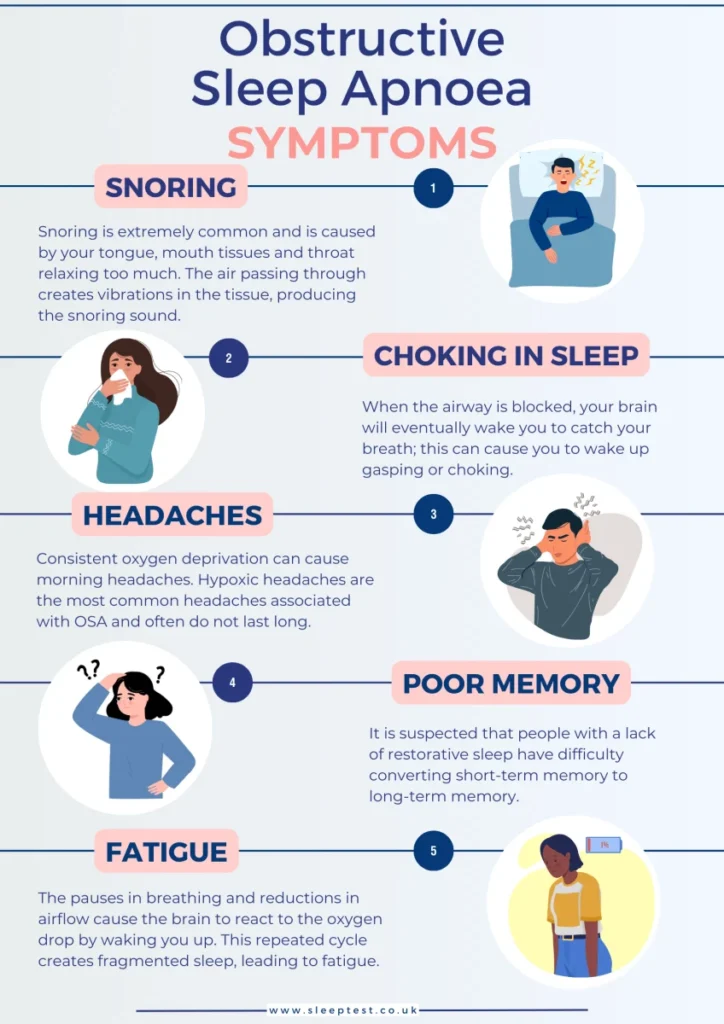
One important note: loud snoring can be harmless, but it can also overlap with sleep apnea. If you snore and wake up choking or gasping, or you’re exhausted despite “enough” hours, don’t just shop—get evaluated.
Timing: When to try a mouthpiece (and when not to)
Timing matters because snoring isn’t always consistent. It often spikes during travel, after late meals, during allergy season, or after alcohol. That’s why people feel like they “randomly” started snoring.
Good times to test an anti-snoring mouthpiece
- After a pattern shows up: You’ve had at least a couple weeks of repeat snoring complaints or recordings.
- Before a big stretch of fatigue: Work crunch time, a new baby schedule, or frequent travel. Better sleep quality helps everything feel less sharp-edged.
- When you can commit to a short adjustment window: Plan for several nights of “getting used to it.”
Times to pause and get medical input first
- Snoring plus gasping, choking, or witnessed breathing pauses
- High daytime sleepiness, morning headaches, or high blood pressure concerns
- Significant jaw pain, TMJ issues, or unstable dental work
Supplies: What you need for a clean, realistic trial
You don’t need a lab setup. You need a few basics so you can tell if the change is real.
- The mouthpiece (follow its sizing and fitting instructions)
- A phone recording app or a partner’s quick notes (simple is fine)
- A toothbrush and mild soap or the cleaner recommended by the product
- A small case so it doesn’t live on the nightstand collecting dust
- Optional: saline rinse or nasal strips if congestion is part of your story
If you’re comparing options, start here: anti snoring mouthpiece.
Step-by-step (ICI): Identify → Customize → Iterate
This is the simplest way to test an anti snoring mouthpiece without overthinking it.
1) Identify your snoring pattern
Pick 3–5 typical nights. Don’t choose your “perfect” nights. Include at least one stressful day or a travel-recovery day if that’s common for you.
Track two things: (1) snoring volume/frequency (rough estimate is fine), and (2) how you feel in the morning. Sleep quality is the goal, not just silence.
2) Customize the fit (and keep it gentle)
Many mouthpieces are designed to position the lower jaw slightly forward to reduce airway collapse. Fit matters. A poor fit can lead to drooling, soreness, or you spitting it out at 3 a.m.
Follow the product’s molding steps exactly if it’s moldable. If it’s adjustable, start conservative. More advancement is not automatically better.
3) Iterate for 7–14 nights
Give your body time to adapt. The first night is not the verdict. Aim for small adjustments, then re-test for a few nights before changing anything again.
- If snoring drops but comfort is poor: back off the setting slightly or re-mold if allowed.
- If comfort is fine but snoring is unchanged: consider whether congestion, alcohol, or back-sleeping is the bigger driver.
- If you feel worse: stop and reassess. A “quiet” night that leaves you exhausted is not a win.
Mistakes that make mouthpieces fail (even when the idea is solid)
Cranking the jaw forward on night one
People do this because they want instant results. It can backfire with jaw soreness and poor compliance. Start mild and build.
Ignoring nasal breathing
If your nose is blocked, you may mouth-breathe more. That can worsen snoring for some people. Treat congestion as part of the plan when it’s relevant.
Using it with untreated red-flag symptoms
If you suspect sleep apnea, don’t DIY your way through it. Mouthpieces can be part of care for some people, but evaluation comes first.
Not cleaning it consistently
A dirty device can smell bad, feel gross, and irritate gums. That’s a quick path to quitting.
Expecting it to fix burnout
Better sleep helps, but it won’t erase an overloaded schedule. Think of it as removing one major obstacle: fragmented, noisy nights.
FAQ: Quick answers people want before they buy
Will a mouthpiece stop snoring immediately?
Sometimes you’ll notice a change fast, but many people need a week or two to dial in fit and comfort.
Is snoring always a health problem?
Not always. Still, persistent loud snoring can signal airway issues. Pay attention to daytime sleepiness and breathing pauses.
Can I use a mouthpiece if I grind my teeth?
It depends on the device and your bite. If you grind heavily or have jaw pain, ask a dental professional before committing.
What if my partner is the one who snores?
Make it a team project. Use recordings, keep the tone light, and focus on sleep quality for both of you.
CTA: Make the next step easy
If snoring is cutting into your sleep quality, a well-fitted anti snoring mouthpiece can be a practical first experiment. Keep it measured, track results, and don’t ignore red flags.
How do anti-snoring mouthpieces work?
Medical disclaimer: This article is for general education and does not provide medical advice, diagnosis, or treatment. If you suspect sleep apnea or have significant symptoms (gasping, choking, severe daytime sleepiness, chest pain, or jaw/tooth pain), seek care from a qualified clinician.